

Ever wondered if you could grow your own carrots right in your backyard, even with limited space? Picture this: You step outside, grab a fresh carrot from your very own mini garden, and add it to your dinner. Exciting, right? Well, good news – you can actually grow carrots in a 5-gallon bucket!
No need for a sprawling garden or fancy equipment. With just a simple bucket and some soil, you can enjoy the satisfaction of harvesting your own homegrown carrots. In this article, we’ll show you how easy and rewarding it can be to cultivate these crunchy delights in a compact container. Get ready to elevate your gardening game and enjoy the taste of freshly picked carrots, all from the convenience of your own home.
Benefits of Growing Carrots in a 5-Gallon Bucket
If you’re wondering about the advantages of growing carrots in a 5-gallon bucket, here are some key benefits to consider:
- Space efficiency: Perfect for small spaces like balconies or patios.
- Controlled environment: Easily monitor and adjust factors like soil quality and water levels.
- Portability: Move your carrot crop around to catch the best sunlight.
- Weed control: Minimize weed growth compared to traditional garden beds.
- Pest protection: Keep pesky critters at bay by elevating your carrots.
Growing carrots in a 5-gallon bucket offers convenience, flexibility, and an enjoyable gardening experience.
Choosing the Right Carrot Varieties
When selecting carrot varieties for your 5-gallon bucket, consider the following factors:
- Container Size: Look for smaller carrot varieties that thrive in confined spaces.
- Growth Time: Choose quick-growing varieties if you need carrots sooner rather than later.
- Flavor: Pick a variety that suits your taste preferences, whether you prefer sweet or earthy flavors.
- Shape: Decide if you want short and stout or long and slender carrots based on your culinary needs.
Keep these points in mind when deciding on the carrot varieties to grow in your compact garden space.
Recommended Products

MULTI-USE: Make storage a breeze with these multi-purpose 5-gallon buckets. Perfect for storing liquids, powders, oils, paints, fire chips, charcoal, as well as for fermenting and brining.

SECURE SNAP-ON LIDS – Keep contents protected with included snap-on lids, perfect for food storage, pet food, paint, cleaning supplies, and more.
Preparing the 5-Gallon Bucket for Planting
When preparing the 5-gallon bucket for planting your carrots, remember that good drainage is essential. Here are some steps to set up your bucket for successful carrot growth:
- Drainage Holes: Ensure your bucket has adequate drainage holes at the bottom. This prevents waterlogging, which can lead to root rot.
- Quality Soil: Use well-draining soil to fill your bucket. A mix of garden soil and compost works well for carrots.
- Loosening Soil: Prior to planting, gently loosen the soil in the bucket. Carrots prefer loose, sandy soil to grow straight and long.
- Fertilization: Consider mixing in a balanced fertilizer before planting to provide essential nutrients for your carrot plants.
- Spacing: Carrots need enough space to develop fully. Plant seeds about 1-2 inches apart to avoid crowding.
- Depth: Plant your carrot seeds at a depth of about 1/4 inch in the soil. Cover lightly and water gently.
- Sunlight: Ensure your bucket is in a location that receives full sunlight for at least 6-8 hours a day.
By following these preparation steps, you are setting a solid foundation for your carrot plants to thrive in the limited space of a 5-gallon bucket.
| Fact | Data |
|---|---|
| Recommended Depth | 1/4 inch |
| Sunlight Needed | 6-8 hours |
Recommended Products

Ideal for transporting a variety of small tools, beverages, your cell phone and more

🛡️Durable 5-Gallon Bucket Organizer: Made from rugged 600D polyester that's water-resistant, tear-resistant, and easy to wipe clean. This bucket tool bag fits all standard 3.5-5 gallon buckets and comes in 8 vibrant patterns to brighten your yard
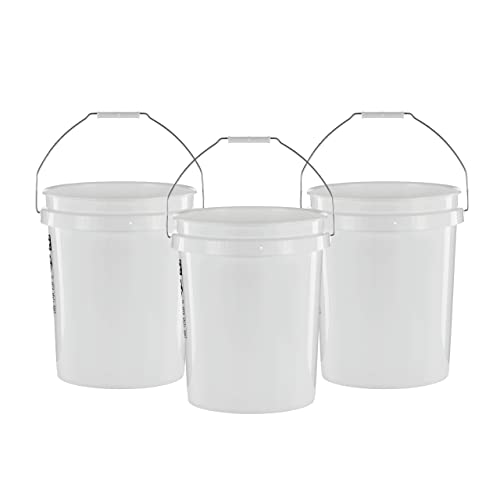
BUILT TOUGH - Made with durable thick plastic to resist cracks, this large pail is designed to get the job done for housework, yardwork and the back of your work truck. Use it for your cleaning supplies, as a car wash bucket, mop bucket, and more.
Planting and Caring for Carrots in a Bucket
Growing carrots in a 5-gallon bucket is a rewarding experience that can yield a bountiful harvest right at your fingertips. Here’s how to successfully plant and care for carrots in a confined space:
- Select the Right Bucket: Start with a clean, 5-gallon bucket with drainage holes at the bottom to prevent waterlogging.
- Quality Soil Matters: Fill the bucket with well-draining potting soil mixed with compost for nutrient-rich growing conditions.
- Prepare for Planting: Loosen the soil to allow the carrots to grow freely and avoid any obstacles.
- Sow the Seeds: Plant carrot seeds about an inch apart, ensuring they are covered with a light layer of soil.
- Watering: Keep the soil consistently moist but not waterlogged, especially during the germination and growth stages.
- Sunlight Exposure: Carrots require at least 6 hours of sunlight daily for optimal growth and development.
- Thinning Seedlings: Once the carrot seedlings emerge, thin them out to ensure proper spacing for robust growth.
- Fertilizing: Apply a balanced fertilizer once or twice during the growing season to support healthy carrot development.
- Weeding and Maintenance: Regularly weed the bucket to prevent competition for nutrients and ensure the carrots thrive.
| Important Tips for Carrot Gardening in a 5-Gallon Bucket |
|---|
| Carrots require at least 6 hours of sunlight daily. |
| Use well-draining potting soil mixed with compost. |
| Keep the soil consistently moist but not waterlogged. |
| Thin out seedlings for proper spacing. |
Recommended Products

Garden Bucket organizer,come with comfortable handle

Garden Bucket organizer,come with comfortable handle

Made To Handle More: Tackle bulk storage with a sturdy plastic bucket made from durable 90 mil HDPE plastic, lid not included. A dependable option for pantry staples, utility use, and everyday organization when lightweight containers won’t cut it.
Harvesting and Enjoying Your Homegrown Carrots
After patiently tending to your carrot plants, it’s time to reap the rewards of your hard work. Harvest your carrots when they reach full size, typically around 60-75 days after sowing the seeds. Here’s how you can do it:
- Loosen the soil around the carrots to make pulling easier.
- Grab the leafy green tops close to the root.
- Gently pull the carrot out of the soil, being careful not to damage it.
Once you have a handful of beautiful, freshly harvested carrots, it’s time to enjoy the fruits of your labor. Here are a few ways to savor your homegrown produce:
- Fresh: Wash, peel, and enjoy your carrots straight from the garden for maximum flavor.
- Cooked: Add them to stir-fries, soups, or roasts for a nutritious boost.
- Juiced: Blend them with other fruits and veggies for a refreshing and healthy drink.
Conclusion
You’ve learned how to grow delicious carrots in a 5-gallon bucket and now have the knowledge to enjoy a bountiful harvest in just a couple of months. Remember to follow the steps for harvesting to ensure you get the most out of your homegrown carrots. Whether you prefer them fresh, cooked, or juiced, there are plenty of ways to savor the fruits of your labor. Happy gardening and enjoy your freshly picked carrots!
Frequently Asked Questions
1. How long does it take for homegrown carrots to be ready for harvest?
Carrots are typically ready for harvest 60-75 days after sowing the seeds.
2. How should I harvest homegrown carrots without damaging them?
To harvest carrots without damage, gently loosen the soil around them and pull them out by grasping the green tops near the base.
3. What are some ways to enjoy freshly harvested carrots?
Freshly harvested carrots can be enjoyed in various ways: eat them fresh, add them to cooked dishes, or juice them with other fruits and vegetables for a healthy drink.
