

Ever wondered why your cucumber plants aren’t yielding as much as you hoped? Picture this: lush green vines, but disappointingly few cucumbers to harvest. Fret not, as you’re about to uncover the secrets to maximizing your cucumber plant yield.
Are you ready to transform your cucumber harvest this season? By mastering the art of pruning, you’ll not only boost the quantity but also the quality of your cucumbers. Get ready to learn simple yet effective techniques that will have your cucumber plants thriving and producing an abundance of crisp, fresh cucumbers in no time.
Importance of Pruning Cucumber Plants
When it comes to pruning cucumber plants, knowing the importance of this practice is crucial in maximizing your yield. Here’s why pruning is essential for your cucumber plants:
- Increased Air Circulation: Pruning helps improve air circulation around the plants, reducing the risk of diseases and promoting healthy growth.
- Enhanced Sunlight Exposure: By removing excess foliage, you allow more sunlight to reach the remaining leaves, aiding in photosynthesis and fruit development.
- Optimized Nutrient Distribution: Pruning directs the plant’s energy towards fruit production, ensuring that nutrients are used efficiently.
Effective pruning techniques can result in bountiful harvests and premium-quality cucumbers.
Best Time to Prune Cucumber Plants
When should you prune your cucumber plants for the best results? You should prune them once they have at least 3 to 4 leaves and are about 1 foot long.
Pruning in the morning is most beneficial as it allows the plant to heal during the day, reducing the risk of diseases. Avoid pruning during the heat of the day or in the evening when plants are stressed.
Ensure you prune consistently throughout the growing season to promote healthy growth, optimal fruit production, and maximum yield.
Tools Needed for Pruning
When it comes to pruning your cucumber plants for optimal yield, having the right tools at hand makes the task much easier. Here are the essential tools you’ll need:
- Pruning Shears: Sharp shears are necessary for clean cuts that promote healing without damaging the plant.
- Gloves: Protect your hands from scratches and irritation while pruning.
- Spray Bottle: Fill it with rubbing alcohol to disinfect your pruning shears between cuts to prevent the spread of diseases.
- Stakes or Trellises: Use these to support the plants as you prune and to train the vines to grow vertically.
Ensure you have these tools ready before you start pruning your cucumber plants for maximum yield.
Recommended Products

Swiss Precision Engineering – Crafted in Switzerland for exceptional cutting performance trusted by professionals and home gardeners alike.

1″ Cutting Capacity for Thick Stems & Branches – Powerful bypass blade easily cuts through live branches, woody stems, and green growth up to 1 inch thick, making it ideal for pruning trees, shrubs, and garden plants.

TRUSTED BY PROFESSIONALS - From the makers of Barbicide, Clippercide is the industry-standard choice for professional barbers, stylists, and groomers. Trust the brand that has set the gold standard in salon hygiene to protect your tools and your clients.
Technique for Pruning Cucumber Plants
When pruning your cucumber plants, it’s vital to follow a few key techniques to ensure maximum yield. Here are some tips to help you prune your plants effectively:
- Identify the Suckers: These small stems that grow in the leaf axils can sap the plant’s energy needed for fruit production. Pinch them off with your fingers or use pruning shears for larger ones.
- Remove Diseased Parts: Any yellowed, spotted, or wilting leaves should be removed promptly to prevent the spread of disease to the rest of the plant.
- Regularly Check for Overgrown Vines: Trim any vines that have grown too long to encourage the plant to focus its energy on fruit development rather than excessive vine growth.
- Prune to Encourage Air Circulation: Open up the plant canopy by removing excess leaves to allow sunlight penetration and air circulation, reducing the risk of fungal diseases.
Remember, pruning can be intimidating at first, but with practice, you’ll become more confident in shaping your cucumber plants for optimal yield.
Recommended Products

Reduce Hand Strain: These micro tip snips are made to reduces hand fatigue which makes them great for those with arthritis, carpal tunnel, hand or wrist issues; Comfortable “grip” handles will make it easy to work for long-time use without making you feel hand pain

CLEAN CUTS FOR LIVE GROWTH: Bypass blade design is ideal for pruning delicate flower stems and green growth, helping reduce crushing and plant damage while cutting stems and small branches up to 5/8” in diameter

DUAL CUTTING POWER: VERSATILE PRUNING COMBO --- With both Pruning Shears and Pruning Snip, this combo delivers unmatched versatility. Whether you're delicately trimming flowers and shrubs, tackling thicker tree branches, or tending to your vegetable and fruit garden, our combo pack excels in all areas. They're also perfect for landscaping projects and maintaining the health and appearance of indoor plants. With this pack, you have a versatile tool that simplifies your gardening tasks.
Monitoring and Maintaining Pruned Cucumber Plants
When monitoring your pruned cucumber plants, check regularly for new growth. Inspect for any signs of disease or pests. Continue pruning as needed to maintain plant health and productivity.
Water the plants consistently, making sure they receive about 1-2 inches of water per week. Monitor soil moisture levels to avoid overwatering or underwatering.
Mulch around the plants to retain moisture and suppress weeds. Consider using organic mulches like straw or grass clippings.
Fertilize your cucumber plants according to soil test recommendations. Avoid over-fertilizing, as it can lead to excessive foliage growth at the expense of fruit production.
Support the plants as they grow. Use stakes or trellises to keep vines off the ground, allowing for better air circulation and healthier plants.
Remember, consistency is key when monitoring and maintaining pruned cucumber plants. By staying proactive and attentive to your plants’ needs, you’ll set yourself up for a successful harvest.
Recommended Products
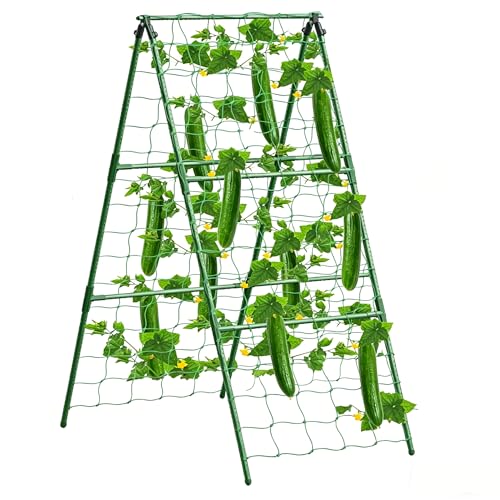
【Package included】:This Trellis for Climbing Plants Outdoor comes complete with everything you need to get started: 17pcs metal stakes, 8pcs T shape connect pipe, 2 A-shaped connectors, and a 0.9x1.8meter plant net.

Sturdy and Easy to Use: Crafted from premium, durable materials, our 2-pack of 48-inch moss poles empowers your climbing plants with reliable support while ensuring hassle-free installation

[DURABLE AND STURDY] Crafted from robust hollow steel, this garden stakes features a fade-resistant green plastic coating, offering reliable protection against wind, rain, and rust. With anti-slip ridges, it's easy to tie on plant ties, aiding in plant climbing. the pointed bottom design of tomato stakes enables effortless soil insertion, ensuring a secure anchoring effect with minimal effort
Conclusion
Keep a close eye on your cucumber plants, ensuring they receive the care they need for optimal growth. Regular monitoring, pruning, and maintenance are vital to a successful harvest. Remember to check for new growth, signs of disease, and pests, and prune as required. Maintain consistent watering, mulching, fertilization, and provide support as needed. By staying proactive and attentive to your plants, you’ll set yourself up for a bountiful yield. Consistency is key in nurturing your cucumber plants to their fullest potential. Happy gardening!
Frequently Asked Questions
Why is monitoring pruned cucumber plants important?
It is crucial to monitor pruned cucumber plants to ensure optimal growth and productivity. Regular observation helps identify new growth, signs of disease, and pests early on, allowing for timely intervention and maintenance.
What are some essential practices for maintaining pruned cucumber plants?
Consistent watering, mulching, proper fertilization, and providing support through stakes or trellises are key practices for maintaining pruned cucumber plants. These practices contribute to the overall health and productivity of the plants.
Why is consistency important in caring for pruned cucumber plants?
Consistency is vital in caring for pruned cucumber plants as it ensures that they receive the necessary attention and maintenance. Regular monitoring and intervention help prevent issues from escalating, leading to a successful harvest.
