

Have you ever looked at your pond and thought it could use a touch of greenery? Water lettuce not only adds beauty but also helps keep your pond healthy by providing shade and reducing algae growth.
Key Takeaways
- Understanding Water Lettuce: This floating aquatic plant enhances pond aesthetics while providing habitat, oxygen, and natural filtration, crucial for maintaining a healthy ecosystem.
- Optimal Planting Conditions: Plant water lettuce in spring or early summer when temperatures are warm (70°F to 85°F) and light exposure is adequate (at least 6 hours of sunlight).
- Pond Preparation: Assess water quality (pH 6.0-7.5), existing plants, and sunlight conditions before planting. Choose calm, less shaded areas for optimal growth.
- Regular Maintenance: Monitor water quality, control growth by trimming excess, and check for pests and diseases to ensure healthy water lettuce.
- Troubleshooting: Be proactive about environmental factors affecting growth and address issues like pests, diseases, and algae promptly for a thriving pond ecosystem.
Understanding Water Lettuce
Water lettuce, a floating aquatic plant, plays a vital role in pond ecosystems. It’s known for its attractive rosettes that can enrich the visual appeal of your pond while offering numerous ecological benefits.
Importance in Aquatic Ecosystems
- Habitat Creation: Water lettuce provides a habitat for various aquatic organisms. Fish, insects, and amphibians find shelter among its leaves, promoting biodiversity.
- Oxygen Production: Water lettuce contributes to oxygen production through photosynthesis, which aids in maintaining a healthy aquatic environment. Improved oxygen levels support fish and other wildlife.
- Natural Filtration: The plant helps filter water by absorbing excess nutrients, limiting pollution, and reducing harmful algae blooms.
- Shade Provision: Water lettuce offers shade to aquatic life. This cooling effect helps stabilize water temperatures, creating a suitable habitat for fish.
- Algae Control: By absorbing nutrients that fuel algae growth, water lettuce significantly reduces algae levels. This not only promotes a healthier pond but also enhances water clarity.
- Aesthetic Appeal: The lush, green appearance of water lettuce adds beauty to your pond, creating a serene and inviting atmosphere for relaxation or recreation.
Preparing Your Pond
Preparing your pond for water lettuce is crucial for optimal growth and health. Follow these guidelines to ensure a thriving environment for your aquatic plants.
Assessing Pond Conditions
Assess the water quality, including pH levels, and ensure they range between 6.0 and 7.5 for ideal growth. Check for adequate sunlight; water lettuce thrives in areas receiving at least six hours of sunlight daily. Monitor the temperature; it prefers warm water between 70°F and 85°F. Investigate existing plants and algae, as you may need to manage their growth to prevent competition. Look for pests or diseases that could hinder plant health.
Choosing the Right Location
Choose a location with calm water to encourage water lettuce’s floating nature. Select spots near the pond’s edges, avoiding strong currents or excessive wave action. Opt for areas that aren’t heavily shaded by trees or structures. Place the plants in designated sections to establish a clear growth area. Consider accessibility for maintenance, allowing easy handling during planting and future care.
Planting Water Lettuce
Planting water lettuce enhances your pond’s beauty and promotes a healthy ecosystem. Follow these guidelines to ensure successful planting.
Best Time to Plant
Plant water lettuce in spring or early summer. This timing aligns with warmer temperatures and increased sunlight, which encourage growth. When the water temperature reaches 70°F (21°C) or higher, you’ll create ideal conditions for water lettuce to thrive.
- Gather Supplies: Collect water lettuce plants, net pots or baskets, aquatic soil, and a garden trowel.
- Prepare the Pots: Fill net pots with aquatic soil. Leave some space at the top for water.
- Plant the Water Lettuce: Gently place one or two water lettuce plants in each pot, covering roots with soil. Avoid crowding to allow for growth.
- Submerge the Pots: Lower the pots into the pond, ensuring the roots are underwater while the leaves remain near the surface.
- Position the Pots: Arrange pots in calm areas, avoiding strong currents. Ensure they receive adequate sunlight, ideally 4–6 hours per day.
- Monitor Growth: Check for pests and water quality regularly. Remove any dead or dying leaves to maintain health.
By following these steps, you can successfully plant water lettuce and enjoy its many benefits in your pond.
Maintaining Water Lettuce
Maintaining water lettuce helps ensure its health and benefits in your pond. Regular care includes monitoring water quality and managing growth.
Recommended Products
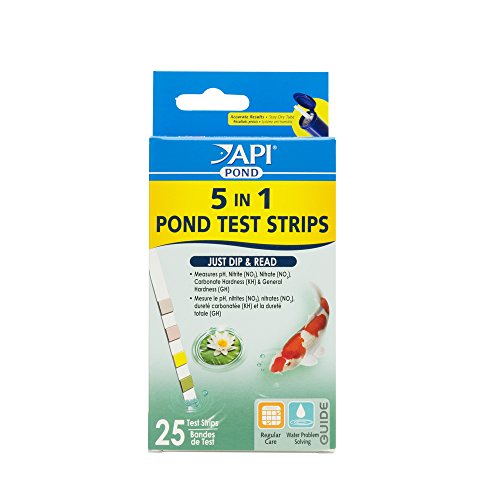
Contains one (1) API POND 5 IN 1 POND TEST STRIPS Pond Water Test Strips 25-Count

Professional Quality Testing Kit: The AAwipes Aquarium test kit (50 strips) is developed by experts for fish enthusiasts. It offers 8-in-1 testing capabilities, made with high-quality fiber paper and non-bleeding colors. The kit measures key parameters like Free Chlorine, Nitrate, Nitrite, Hardness, Sodium Chloride, Total Alkalinity, pH and Ammonia nitrogen. By identifying potential issues, our fish tank testing kit helps prevent hidden water problems and ensures the safety and well-being of your fish.

Contains one (1) API POND MASTER TEST KIT Pond Water Test Kit 500-Test, including 6 bottles of testing solution, 3 color cards and 4 test tubes with cap
Water Quality Considerations
Water lettuce thrives in clean, balanced water conditions. Check your pond’s pH, which should range from 6.0 to 7.5. Test for nutrients like nitrogen and phosphorus, as excess levels can lead to algal blooms. Aim for a nutrient balance to promote water lettuce growth while preventing unwanted algae. Replace 10-15% of the pond water every few weeks to maintain freshness and clarity. This practice enhances overall aquatic health.
Controlling Growth and Spread
Water lettuce can spread rapidly. Monitor growth regularly to keep it in check. Trim leaves when they cover more than half the pond’s surface. Remove excess plants by hand or use a skimmer net to keep the growth manageable. If water lettuce spreads beyond desired areas, consider creating barriers or designated planting zones. This maintains beauty and ensures your pond’s ecosystem remains balanced while enjoying the lush foliage.
Troubleshooting Common Issues
Troubleshooting issues when planting water lettuce in your pond ensures successful growth and a healthy ecosystem. Here are some common problems you might encounter.
Pests and Diseases
Pests and diseases can affect your water lettuce’s health. Common pests include aphids and snails, which can damage leaves. To combat pests, inspect plants regularly. If you notice any infestations, remove them by hand or treat the affected areas with natural pesticides, like neem oil. Diseases like root rot stem from overly saturated soil or poor water quality. To prevent root rot, ensure proper water circulation and maintain balanced water conditions. Should you spot any wilting or discoloration, remove the affected plants to protect the rest.
Environmental Factors
Environmental factors play a key role in the growth of water lettuce. Temperature extremes and intense sunlight can stress the plants. For optimal growth, maintain water temperatures between 70°F and 85°F. Position your pond in a location that receives partial sunlight, avoiding direct midday sun, which can scorch the leaves. Water quality is crucial; check for pH levels between 6.0 and 7.5 and ensure nutrient balance. Regular maintenance helps keep these conditions stable. If algae growth increases, consider adding beneficial bacteria to restore balance and improve clarity.
Conclusion
Planting water lettuce can transform your pond into a thriving ecosystem. By following the right steps and keeping an eye on potential issues you can enjoy all the benefits this aquatic plant offers.
Regular maintenance and monitoring are key to ensuring your water lettuce flourishes. With a bit of care you’ll create a beautiful and healthy environment for both your plants and any wildlife that visits.
So get started on your water lettuce journey and watch your pond come to life!
Frequently Asked Questions
What are the benefits of adding water lettuce to a pond?
Water lettuce enhances pond aesthetics, provides a habitat for wildlife, and improves pond health by absorbing excess nutrients and promoting oxygenation. It also helps shade the water, reducing algae growth.
How do I prepare for planting water lettuce?
To prepare for planting water lettuce, ensure your pond has suitable conditions like adequate sunlight, good water quality, and balanced pH levels. Create a suitable planting area with floating containers or baskets and ensure proper water circulation.
What maintenance practices are needed for water lettuce?
Regularly check water quality, pH, and nutrient levels. Trim overgrown plants, remove debris, and monitor for pests or diseases. It’s also important to maintain proper water circulation and add beneficial bacteria to enhance pond health.
How can I identify and troubleshoot issues with water lettuce?
Inspect water lettuce for pests like aphids and snails, and look for signs of diseases such as root rot. Troubleshoot by ensuring proper water circulation, adjusting light exposure, and monitoring water conditions closely.
Can environmental factors affect water lettuce growth?
Yes, factors like temperature, sunlight exposure, and water quality significantly impact water lettuce growth. It thrives in warm weather and requires at least 6 hours of sunlight daily while preferring slightly acidic to neutral pH levels.
