

Are you ready to grow your own fresh lettuce but unsure when to get started in Alabama? You’re not alone! Many gardeners face the challenge of timing their planting to get the best results. With Alabama’s unique climate, knowing the right time to sow your seeds can make all the difference in your harvest.
Key Takeaways
- Best Planting Times: Plant lettuce in Alabama during spring (mid-March to early April) and fall (late August to mid-September) for optimal growth.
- Lettuce Varieties: Choose suitable lettuce types based on the season—Butterhead and Leaf for spring; Romaine for fall—each offering unique flavors and growing conditions.
- Climate Awareness: Monitor average frost dates, as northern Alabama may experience frost until early April, while southern regions could see frost until mid-April.
- Soil Preparation: Use well-drained, loamy or sandy soil with a pH between 6.0 and 7.0, and enrich it with organic matter to enhance growth potential.
- Temperature Considerations: Lettuce thrives in cooler temperatures (60°F to 70°F), so protect plants from excessive heat to prevent bolting and bitterness.
- Seed Starting Tips: Start seeds indoors 4-6 weeks before the last frost date or transplant seedlings when they reach about 3-4 inches tall for best results.
Understanding Lettuce Varieties
Selecting the right lettuce variety enhances your gardening success. Several types of lettuce thrive in Alabama’s climate and offer unique flavors and textures.
Butterhead Lettuce
Butterhead lettuce, with its tender leaves and buttery texture, prefers cooler temperatures. Plant this variety in early spring or late summer for optimal growth. Individual heads can grow to 6-12 inches and are great for salads or sandwiches. Popular choices include “Boston” and “Buttercrunch.”
Romaine Lettuce
Romaine lettuce, known for its crisp leaves and upright growth, tolerates heat better than other varieties. You can plant romaine in early spring and again in the fall for a continuous harvest. Heads typically reach 8-12 inches tall, making them perfect for Caesar salads. Varieties such as “Little Gem” and “Parris Island” are excellent selections.
Leaf Lettuce
Leaf lettuce comes in various colors and types, such as green and red. This variety grows quickly and thrives in cooler temperatures. You can sow leaf lettuce seeds in early spring and again in late summer for ample harvests. Harvest individual leaves or cut the entire plant at the base, as regrowth occurs. Popular varieties include “Red Romaine,” “Butterhead,” and “Oak Leaf.”
Each lettuce type offers distinct benefits and growing conditions, making it essential to understand which ones suit your garden best.
Ideal Planting Times
Knowing the right moments to plant lettuce in Alabama ensures a bountiful harvest. Spring and fall planting seasons each provide unique advantages, suited to different lettuce varieties.
Recommended Products

4 Popular Heirloom Lettuce Varieties: Includes Red Romaine, Bibb Butterhead, Black Seeded Simpson, and Green Ice lettuce seeds to grow crisp, tender, and colorful salad greens with balanced flavor, texture, and visual appeal.

COMPLETE VARIETY PACK: Eight popular lettuce seeds including Buttercrunch, Romaine, Iceberg, Bibb, Red Oakleaf, Prizehead, plus Kale and Spinach; Perfect lettuce seeds for planting outdoors or in hydroponic systems

🥬 Classic French Butterhead Lettuce: Marvel of Four Seasons is a traditional French butterhead variety known for forming beautiful, firm round heads with tender buttery leaves and attractive bronze-tinged color. The compact plants grow quickly and produce crisp, mild greens that are perfect for fresh salads and garden meals. Gardeners appreciate this variety for its dependable head formation and attractive appearance in garden beds.
Spring Planting
Spring planting typically occurs between mid-March and early April. During this window, temperatures range from 60°F to 70°F, ideal for cool-season lettuce like Butterhead and Leaf. To maximize your success:
- Choose varieties such as Butterhead or Leaf lettuce for spring sowing, as they thrive in milder conditions.
- Start seeds indoors 4-6 weeks before your last frost date (around April 1).
- Transplant seedlings outdoors when they reach 3-4 inches in height.
- For direct sowing, plant seeds ¼ to ½ inch deep in well-drained soil, ensuring consistent moisture as the seeds germinate.
Fall Planting
Fall planting occurs from late August to mid-September. This season allows for another round of lettuce cultivation, particularly suitable for heat-tolerant varieties like Romaine. To make the most of the fall season:
- Select Romaine or other heat-resistant types as temperatures begin cooling down.
- Direct sow seeds ¼ to ½ inch deep in fertile soil, ensuring adequate spacing for air circulation.
- Utilize row covers or fabric to protect young plants from frost if necessary.
- Water regularly, especially if you experience dry spells, to keep the soil moist and support growth before the first frost hits.
By adhering to these planting times, you can enjoy fresh, homegrown lettuce throughout much of the year.
Climate Considerations
Understanding Alabama’s climate is crucial for successful lettuce planting. The state’s subtropical weather influences when and how you plant, ensuring a good harvest.
Recommended Products
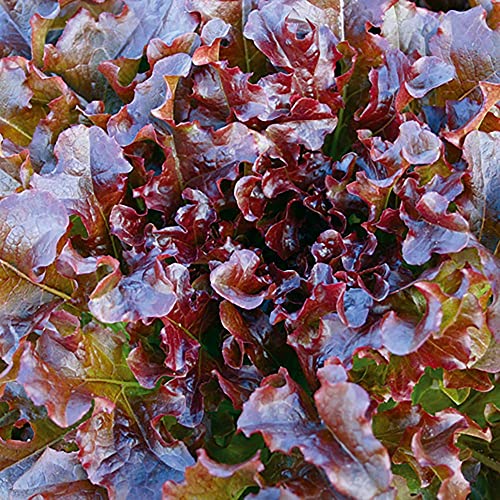
Red lettuce seeds garden seeds vegetable seeds bulk lettuce seeds

Red Leaf Lettuce (Lactuca sativa): Non-GMO heirloom yields large, ruffled deep-red loose-leaf heads with crisp texture and mild nutty flavor; ready in 45–55 days.

YEAR-ROUND GARDEN FAVORITE – Dependable butterhead lettuce that thrives in cool or moderate weather for consistent harvests from spring through fall, even under cover in winter
Average Frost Dates
Frost dates determine when you can start planting outdoors. In Alabama, last frost typically falls between late March and early April in the northern regions. In contrast, southern areas may see frost until mid-April. Always check local frost dates before planting lettuce, as late frosts can damage young seedlings.
Temperature Preferences
Lettuce thrives in cooler temperatures ranging from 60°F to 70°F. Planting in the spring and fall allows you to take advantage of these ideal conditions. If temperatures exceed 75°F, lettuce may bolt, leading to a bitter taste and poor quality. During hot weather, consider using shade cloth or row covers to protect plants from excessive heat.
Soil and Preparation Tips
Lettuce thrives in well-prepared soil that provides optimal conditions for growth. Follow these tips to ensure your garden bed is ready for planting.
Recommended Products

Quick, at home results for Soil pH, Nitrogen, Phosphorous and Potash Innovative and inexpensive soil test kit features an easy-to-use capsule system and patented color comparators

Kindly NOTE: This soil tester can not be applied to test pH value of any other liquid. If the soil is too dry the indicator will not move, and water it before testing.

Accurate Soil pH Testing: Dewildetradingco Soil pH Test Strips offer measurements of soil pH levels (pH 3.5-9). As an essential tool for every gardener and grower, these test strips help determine the optimal pH for various plants, such as outdoor plants, indoor plants, gardens, grass lawns, fruit trees, flowers, vegetables, and forest shrubs.
Soil Type and Nutrition
Lettuce prefers loamy or sandy soil with good drainage. Aim for a pH level between 6.0 and 7.0 for best results. Add organic matter such as compost, aged manure, or peat moss to enrich the soil. These amendments supply essential nutrients and improve soil structure.
Consider performing a soil test to determine nutrient levels and pH. This insight helps you adjust accordingly, ensuring your lettuce gets the nutrients it needs.
Bed Preparation Techniques
Prepare your planting bed by clearing debris, rocks, and weeds. Loosen the soil to a depth of at least 12 inches to improve aeration and root development. Use a spade or garden fork to mix in organic matter thoroughly.
Level the bed after loosening the soil. Use a rake to create an even surface, promoting uniform seed distribution and growth. Consider applying a light layer of mulch to retain moisture and suppress weeds once the seeds are sown.
With these soil and bed preparation techniques, your lettuce plants will have the best chance for a bountiful harvest.
Conclusion
Timing is everything when it comes to growing lettuce in Alabama. By understanding your local climate and choosing the right varieties you can enjoy fresh crisp lettuce from your garden.
Remember to prepare your soil well and keep an eye on the weather as you get ready to plant. With a little patience and care your lettuce will thrive and provide you with delicious salads throughout the season. Happy gardening!
Frequently Asked Questions
What are the best times to plant lettuce in Alabama?
Lettuce can be planted in Alabama during the spring and fall. For spring planting, aim for late February to early April. For fall planting, start in late August to early September. Timing is crucial due to the state’s fluctuating temperatures.
What lettuce varieties are suitable for Alabama’s climate?
Some suitable lettuce varieties for Alabama include Romaine, Butterhead, and Looseleaf types. These varieties can better withstand the state’s heat and humidity, ensuring a more successful harvest.
How should I prepare soil for planting lettuce?
To prepare soil for planting lettuce, ensure it is well-draining and rich in organic matter. Aim for a soil pH between 6.0 and 7.0. Tilling the soil and mixing in compost can improve its structure and nutrient content.
What tips can help improve lettuce growth in Alabama?
To improve lettuce growth, ensure consistent moisture, provide partial shade during the hottest months, and practice crop rotation. Regularly check for pests and diseases, as prevention is key to a healthy harvest.
How can I ensure a successful lettuce harvest?
To ensure a successful lettuce harvest, plant at the right times, select appropriate varieties, properly prepare your soil, and maintain optimal growing conditions, including moisture and temperature control. Regular care and observation will help prevent issues.
