

Have you ever wondered if you could grow lettuce without sunlight? You’re not alone. Many people are curious about the possibilities of gardening indoors or in shaded areas. With the right conditions, you might be surprised at what you can achieve.
Imagine enjoying fresh, crisp lettuce straight from your kitchen, even during the winter months. This article will explore how you can successfully grow lettuce in low-light environments. You’ll discover practical tips and techniques that can make your indoor gardening dreams a reality. Whether you’re a seasoned gardener or just starting out, you’ll find valuable insights to help you cultivate your own leafy greens.
Key Takeaways
- Lettuce Growth Conditions: Lettuce can thrive in cool environments with consistent moisture and typically takes 30 to 70 days to mature, varying by type.
- Light Requirements: Although sunlight is ideal, lettuce can grow successfully with grow lights, requiring 12 to 14 hours of light daily, particularly using LED lights for optimal spectrum.
- Soil and Nutrients: Use nutrient-rich potting mix with organic fertilizers to ensure healthy growth while maintaining moisture and proper drainage.
- Temperature and Humidity Control: Ideal growing temperatures for lettuce are between 60°F to 70°F, and maintaining good air circulation is essential to prevent fungal diseases.
- Alternative Growth Methods: Hydroponics and aquaponics offer soil-less options to grow lettuce indoors, utilizing controlled environments to ensure adequate nutrients and lighting.
- Monitoring Plant Health: Regularly check for signs of stress, such as yellowing leaves or pests, to address any issues early and maintain optimal lettuce growth.
Overview of Lettuce Growth
Lettuce thrives in cool conditions and requires consistent moisture for optimal growth. The typical growth cycle spans 30 to 70 days, depending on the variety. Different types of lettuce, such as Romaine, Iceberg, and Butterhead, can adapt to various climates and growing conditions.
Light Requirements
While sunlight is a primary source of energy for plants, lettuce can grow with minimal light. In low-light situations, you can use grow lights to supplement natural light. Aim for 12 to 14 hours of light daily. LED grow lights work well because they provide the right spectrum without generating excessive heat.
Soil and Nutrients
Using nutrient-rich soil is essential for healthy lettuce. Select a potting mix that retains moisture while allowing drainage. Incorporate organic fertilizers to provide necessary nutrients. You can use compost or a balanced liquid fertilizer every couple of weeks to keep the soil enriched.
Temperature and Humidity
Lettuce prefers cooler temperatures, ideally ranging from 60°F to 70°F. High humidity levels can promote fungal diseases, so ensure good air circulation. If growing indoors, keep the environment controlled to avoid fluctuations that can stress the plants.
Watering Techniques
Consistent watering promotes healthy lettuce growth. Regularly check the soil for moisture. When the top inch feels dry, water thoroughly. Avoid letting the soil dry out completely, as this can lead to bitterness in the leaves.
Alternatives to Sunlight
If you’re growing lettuce without direct sunlight, consider methods like hydroponics or aquaponics. These systems allow for soil-less growth while offering controlled nutrient delivery. You can achieve great results indoors by creating a mini garden using these techniques.
Common Issues
Watch for yellowing leaves, which may indicate insufficient light or nutrient deficiencies. Pests like aphids and slugs can also affect growth. Regularly inspect your plants to catch these issues early and use organic pest control methods when necessary.
Photosynthesis and Its Importance
Photosynthesis is crucial for plants, including lettuce, to convert light energy into chemical energy. It enables the production of food and oxygen, supporting both plant growth and the environment.
Recommended Products

NOTE: The product stand needs to be pressed down by the flower pot to be stable. Not wireless style. 2 Installation Methods: Specially designed plant light for indoor plants, which can be inserted in the soil or stand for lighting.Unique and easy to assemble and disassemble.
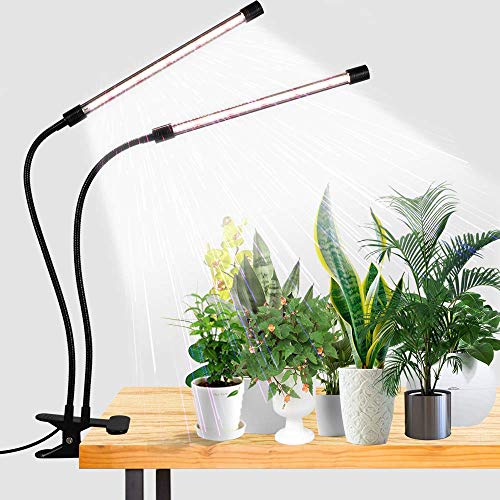
6000K White Light - equipped with 10 Red + 74 White LEDs, this growing Lamp is similar to the full-spectrum sunlight at noon,that is professionally designed for indoor garden plants.Moreover, its color rendering index is as high as 95, the light is soft and flicker-free, which is very suitable for reading lamp
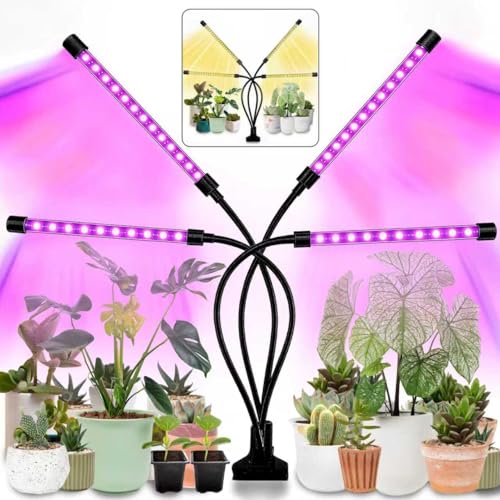
🌻Efficient LED Combination: This LED lamp has grow lights made up of 80 efficient growing LEDs ( 32 red lights, 12 blue lights,20 yellow lights and 16 white lights). It meets the conditions of plant growth without sunlight. 1--Full Spectrum(380nm-800nm): Suitable for all plants to root and sprout. 2--Red(660nm)+BLUE(460nm) Spectrum: for blooming and fruits. 3--Red+Blue+Full Spectrum: A mix of Red+Blue+Warm White is best to fuel the growth of your plants.
The Role of Sunlight
Sunlight consists of various wavelengths, with specific ranges critical for photosynthesis. When lettuce receives adequate sunlight, chlorophyll absorbs this light, allowing the plant to convert carbon dioxide and water into glucose. Glucose fuels growth while byproducts like oxygen support the atmosphere. Insufficient sunlight results in stunted growth, yellowing leaves, and overall poor health.
Alternative Energy Sources for Plants
While sunlight plays a vital role in photosynthesis, certain alternative energy sources can supplement growth. Grow lights, such as LEDs, provide the necessary spectrum to support photosynthesis indoors. Hydroponic systems can also deliver nutrients and light in controlled conditions, fostering healthy lettuce. For indoor gardeners, using a combination of artificial lighting and high-quality soil ensures lettuce thrives even without direct sunlight.
Can Lettuce Grow Without Sunlight?
Lettuce can grow without sunlight through innovative methods like hydroponics and controlled environment agriculture. These techniques enable you to cultivate lettuce indoors, ensuring optimal growth despite the absence of direct sunlight.
Hydroponics and Indoor Farming
Hydroponics allows you to grow lettuce without soil, using nutrient-rich water instead. Systems like Deep Water Culture and Nutrient Film Technique keep lettuce roots submerged in oxygenated water, promoting rapid growth.
Indoor farming takes advantage of controlled environments. You can use grow lights, which replicate the light spectrum of the sun, ensuring photosynthesis occurs effectively. Setting up a hydroponic system indoors involves:
- Choosing a hydroponic system, such as a vertical garden or NFT system.
- Selecting the right lettuce varieties, like Butterhead or Romaine, which thrive in hydroponic setups.
- Providing nutrient solutions tailored to lettuce needs, ensuring optimal growth.
- Managing light conditions with LED grow lights, operating them for 12 to 16 hours daily.
Controlled Environment Agriculture
Controlled Environment Agriculture (CEA) enables you to cultivate lettuce in highly regulated settings. This method uses technology to maintain ideal conditions, including temperature, humidity, and light levels.
In CEA systems, you can use vertical farming to maximize space efficiency. This approach involves stacking layers of crops with integrated lighting solutions. To successfully implement CEA, focus on:
- Installing climate control systems to monitor temperature and humidity.
- Utilizing sensors to assess light levels, adjusting accordingly for optimal growth.
- Implementing pest management techniques, such as beneficial insects or organic pesticides, to protect crops.
These methods demonstrate that growing lettuce without sunlight is feasible and effective, allowing you to enjoy fresh produce year-round.
Challenges of Growing Lettuce Without Sunlight
Growing lettuce without sunlight poses several challenges. While innovative methods can support this process, various factors impact the success of indoor cultivation.
Recommended Products
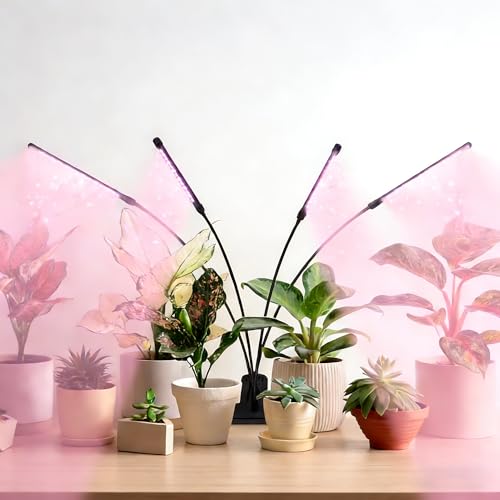
Full Spectrum LED Technology: Equipped with 80 red and blue LED beads across 4 heads, delivering full-spectrum illumination that simulates natural midday sunlight, covering the entire 460-660nm visible spectrum essential for plant photosynthesis. Enhanced 660nm red light promotes flowering, fruiting, and extended bloom periods, while blue light boosts chlorophyll synthesis to support robust vegetative growth

FULL SPECTRUM & NATURAL LIGHT: A19 full spectrum grow light appears 4000K white to eyes but has a red/blue light spectrum. Same as natural sun shine, perfect for tomatoes, cucumbers, peppers, leafy greens and herbs at all growth stages.

Nutrient Requirements
Nutrient management is crucial in indoor lettuce cultivation. Without sunlight, lettuce relies on artificial sources to absorb nutrients. You must ensure that nutrients like nitrogen, phosphorus, and potassium are adequately provided. Hydroponic systems often feature nutrient solutions tailored to plant needs. Regular monitoring of pH and electrical conductivity levels helps maintain optimal conditions. Adding organic supplements can enhance nutrient availability, ensuring robust growth.
Growth Rate and Quality
Growth rate and quality differ significantly without sunlight. You may notice slower growth due to limited light exposure. Adjusting grow lights for longer periods can counteract this effect. Using full-spectrum grow lights mimics natural sunlight, fostering better photosynthesis. Quality can also fluctuate, with lettuce often being more tender and flavorful under controlled conditions. Harvest your lettuce at the right time to ensure peak freshness and taste, as delayed harvesting may affect texture and flavor.
Make sure to monitor these aspects closely to optimize your lettuce growth indoors.
Conclusion
Growing lettuce without sunlight is definitely possible with the right approach. By using grow lights and innovative systems you can create an environment that supports healthy growth. Remember to pay attention to nutrient management and light adjustments to keep your plants thriving.
With a bit of patience and care you can enjoy fresh lettuce even in the absence of natural sunlight. So don’t hesitate to experiment with indoor gardening techniques and see how your lettuce flourishes under your watchful eye. Happy gardening!
Frequently Asked Questions
How can lettuce be grown without sunlight?
Lettuce can be grown without sunlight using methods like hydroponics and Controlled Environment Agriculture (CEA). These techniques utilize grow lights to replicate the sunlight necessary for photosynthesis.
What are the benefits of hydroponics for growing lettuce?
Hydroponics offers several advantages for growing lettuce, including faster growth rates, space efficiency, and reduced water usage compared to traditional soil-based farming. It allows for year-round cultivation regardless of outdoor conditions.
What is Deep Water Culture?
Deep Water Culture (DWC) is a hydroponic system where plant roots are submerged in nutrient-rich water. This method promotes rapid growth and provides easy access to oxygen and nutrients.
What challenges are faced in indoor lettuce cultivation?
Challenges include managing nutrient levels, monitoring growth rates, and ensuring the right light intensity. Indoor gardeners must closely observe plants to adjust conditions for optimal health and yield.
How do grow lights affect lettuce growth?
Grow lights provide the essential spectrum of light that plants need for photosynthesis. The intensity, duration, and color of the light significantly affect lettuce growth rates and overall quality.
What nutrients are essential for growing lettuce indoors?
Essential nutrients for lettuce include nitrogen, phosphorus, potassium, calcium, magnesium, and trace elements like iron and manganese. Proper nutrient management is crucial for healthy indoor plants.
How often should I monitor my indoor lettuce plants?
Regular monitoring is recommended, ideally every couple of days. This helps you track growth progress, nutrient levels, and any potential issues so you can make timely adjustments.
