

Have you ever planted lettuce seeds only to find them crowded together like a packed subway train? It’s a common scenario for many gardeners, and it can leave you wondering if thinning those seedlings is really necessary.
Key Takeaways
- Thinning lettuce seedlings is essential for healthy growth, as overcrowded plants compete for light, nutrients, and water leading to stunted growth.
- Proper spacing of 6 to 12 inches, depending on variety, enhances air circulation and minimizes the risk of diseases like downy mildew.
- Thinning should occur when seedlings reach about 2 inches tall, allowing gardeners to select the strongest plants while removing the weaker ones.
- Signs of overcrowding include stunted growth, yellowing leaves, and wilting, which indicate the need for immediate thinning.
- Employ methods such as manual thinning or using tools like scissors for efficient and effective removal of excess seedlings.
- Timing thinning during cooler parts of the day helps reduce stress on the remaining seedlings, promoting recovery and robust growth.
Understanding Lettuce Seedlings
Lettuce seedlings start as small plants emerging from the soil. These greens require proper spacing to thrive. In a crowded environment, seedlings compete for light, nutrients, and water, leading to weak growth.
Growth Stages
- Germination: This stage occurs within 7 to 14 days after planting seeds. During this time, conditions like temperature and moisture significantly impact seedling strength.
- Seedling Stage: After germination, seedlings develop true leaves. This stage continues until seedlings reach about 2 to 4 inches in height.
- Maturity: Seedlings eventually grow into full-sized plants, ready for harvest. This stage usually occurs 30 to 70 days after planting.
Importance of Spacing
Spacing affects lettuce growth. Crowded seedlings produce smaller heads and fewer leaves. Proper spacing allows for better air circulation, reducing the risk of disease.
Thinning Guidelines
Thin seedlings when they reach about 2 inches tall. Select the strongest seedlings in each cluster and remove the weaker ones. Ideal spacing for lettuce varies by variety, but generally, aim for 6 to 12 inches apart.
Signs of Overcrowding
Watch for signs of overcrowding, such as:
- Stunted Growth: Seedlings stay small and fail to develop.
- Yellowing Leaves: Indicates lack of nutrients due to competition.
- Wilting: Shows plants struggle to access enough water.
- Use Scissors: Cut weak seedlings at the soil line to avoid disturbing nearby roots.
- Timing: Thin either in the morning or late afternoon to minimize stress on plants.
- Water After Thinning: Give seedlings a good drink after thinning to help them recover.
By understanding lettuce seedlings and implementing proper thinning techniques, you can cultivate healthier plants and enjoy a bountiful harvest.
Importance of Thinning
Thinning lettuce seedlings plays a crucial role in their overall health and productivity. Proper spacing allows each plant to access essential resources, leading to better growth.
Recommended Products

🌱Durable Material: The whole body of the plant transplanting tongs is made of high-quality stainless steel, easy to clean and does not rust, very durable.

Precise Planting Measurement: The foldable plant ruler is designed to provide precise measurements for seed spacing, ensuring optimal growth for a variety of vegetables including carrots, tomatoes, peas, potatoes, and cabbage.

PRECISION SEED SPACING TOOL The Plant Ruler helps gardeners create evenly spaced planting rows for seeds and seedlings, supporting healthier root development and organized vegetable gardens.
Enhancing Growth
Enhancing growth occurs when seedlings have adequate space. Closer spacing restricts light, nutrients, and water availability. Larger, stronger plants emerge from thinner clusters. Aim for spacing seedlings 6 to 12 inches apart, depending on the variety. This spacing encourages fuller heads and leads to vigorous leaf development. For example, when you thin to maintain these distances, you support healthier root systems that ultimately benefit the entire plant.
Preventing Disease
Preventing disease becomes more manageable with proper thinning practices. Overcrowded plants create humid conditions, raising the risk of fungal infections like downy mildew. By ensuring airflow between plants, you significantly decrease this risk. Regularly check for signs of overcrowding, such as stunted growth or yellowing leaves. Act quickly by thinning when these indicators appear, so your lettuce remains healthy and robust.
Methods for Thinning Lettuce Seedlings
Thinning lettuce seedlings improves growth by ensuring each plant has enough space. Here are two effective methods for thinning.
Recommended Products

BUILT TO LAST A LIFETIME WITH FULL STAINLESS STEEL: Crafted from a single piece of high-quality, rust-resistant stainless steel. Unlike tools with weak wooden handles, the Gardmate hand dibber is built for a lifetime of use, bending and wear in all weather conditions.

Package Details: You will get 1 mini seeder set, which includes 4 pieces of seeders, 2 pieces of shovels and 5 pieces of boxes, fully equipped, which can well improve your sowing efficiency.

Complete Seed Starter Kit: The all-in-one starter package contains 10 sets of seed starter trays, 2 handy planting tools, and 10 plastic plant labels. Everything’s ready – add seeds and water to start your indoor garden right away
Manual Thinning
Manual thinning involves using your hands to remove the weaker seedlings. Start by gently pulling out the smaller plants, leaving the strongest ones in place. Aim for a spacing of 6 to 12 inches apart, depending on the variety. Work in the early morning or late afternoon to prevent shock to the remaining plants. This method minimizes damage to the roots of the plants you leave behind.
Using Tools and Equipment
Using tools can make thinning faster and more efficient. Scissors or garden shears work well for cutting seedlings at the soil line. A small trowel can help dig out crowded plants with minimal disturbance to surrounding roots. Make sure your tools are clean to prevent disease spread. Consider using a seedling rake, especially in larger areas, as it gently uproots weaker plants while preserving the stronger ones.
Timing for Thinning
Thinning lettuce seedlings at the right time ensures healthy growth and maximizes yields. Regular observation helps you identify when thinning is essential.
Recommended Products
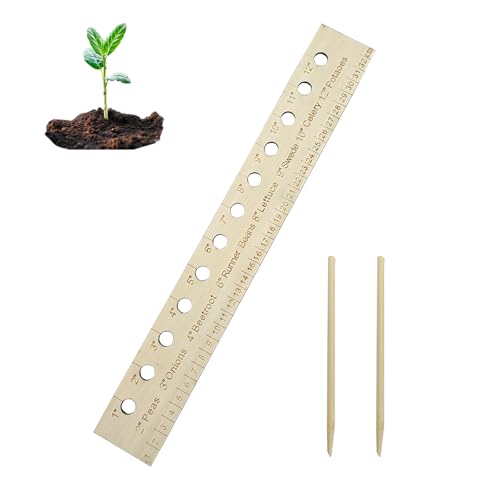
1. Precise Planting and Spacing: This seed spacer and planting ruler ensures accurate and consistent spacing for your vegetable gardens and yard, promoting healthy plant growth.

【DURABLE - LONG TIME USE】 These seed planter tools are made with high quality materials. You can use them long time.

Material: Made of good quality plastic, smooth surface without burrs, durable and lasting
Signs That Thinning is Necessary
- Overcrowding: Notice seedlings growing too close together, with overlapping leaves or competing for space.
- Stunted Growth: Check for small or weak seedlings that struggle to reach their full size due to lack of resources.
- Yellowing Leaves: Observe any yellowing or wilting, indicating stress from insufficient sunlight and airflow.
- Disease Indicators: Look for signs of fungal diseases, like downy mildew, which can occur in overly dense patches.
When these signs appear, it’s time to thin your seedlings to give the remaining plants room to grow.
- Early Growth Stages: Thin seedlings when they’re about 2 to 4 inches tall, which typically occurs a few weeks after planting.
- Ideal Weather Conditions: Thin on cloudy days or in the evening to reduce stress on the plants. High temperatures can shock the remaining seedlings.
- Ongoing Growth: Monitor the seedlings every week as they grow. Continue to thin as necessary, ensuring proper spacing for optimal air circulation.
Consider these seasonal elements to achieve the healthiest lettuce plants and abundant harvests.
Conclusion
Thinning your lettuce seedlings is a simple yet crucial step in ensuring a healthy and bountiful harvest. By giving each plant the space it needs to grow, you’re setting the stage for vibrant heads and robust leaves.
Remember to keep an eye on your seedlings and act promptly when you notice signs of overcrowding. Timing is everything, so aim to thin when your plants are 2 to 4 inches tall.
With a little attention and care your lettuce will thrive and reward you with delicious greens. Happy gardening!
Frequently Asked Questions
Why is thinning lettuce seedlings important?
Thinning lettuce seedlings is crucial for optimal growth. Overcrowding can lead to smaller heads and reduced leaf production. By removing weaker plants, you allow the stronger ones to thrive, promoting better health and increasing yields.
When should I thin my lettuce seedlings?
Thin your lettuce seedlings when they are 2 to 4 inches tall. Doing this on cloudy days or in the evening helps reduce stress on the plants and promotes healthy growth.
How far apart should I space my lettuce plants after thinning?
Spacing depends on the variety, but generally, you should space lettuce plants 6 to 12 inches apart. This distance allows for adequate resource access and ensures robust growth.
What are the signs that my lettuce seedlings need thinning?
Signs indicating the need for thinning include overcrowding, stunted growth, yellowing leaves, and visible disease symptoms. Regular monitoring helps catch these signs early for timely intervention.
How does thinning affect disease prevention in lettuce?
Thinning promotes airflow between plants, reducing humidity and preventing diseases like downy mildew. Improved air circulation minimizes the risk of fungal infections and supports healthier plants.
