

Ever wondered if you can grow lettuce in the shade? You’re not alone. Many gardeners face the challenge of limited sunlight and wonder if their leafy greens can thrive in those conditions. Whether you have a small balcony or a yard with tall trees, the struggle to find the right spot for your plants can be frustrating.
Key Takeaways
- Lettuce Light Requirements: Lettuce thrives on 12 to 14 hours of light daily; partial or filtered sunlight can support its growth in shaded conditions.
- Ideal Planting Timing: Start lettuce seeds in early spring or fall to take advantage of cooler weather and optimal growth conditions.
- Shade-Tolerant Varieties: Leaf types, Romaine, and Asian greens are particularly well-suited for shaded areas, retaining flavor and texture under lower light levels.
- Location Strategy: Planting under deciduous trees, near fences, or on north/east-facing sides can optimize light exposure for shade-grown lettuce.
- Benefits of Shade: Growing lettuce in shaded areas reduces the risk of pests and diseases, and allows for extended growing seasons due to cooler temperatures.
- Managing Challenges: Monitor for bolting and nutrient deficiencies, and improve soil quality with compost or organic fertilizers to ensure healthy growth in shaded environments.
Understanding Lettuce Growth Requirements
Lettuce thrives under specific growth conditions, which can be challenging in shaded areas. Recognizing these requirements helps maximize your success as a gardener.
Recommended Products
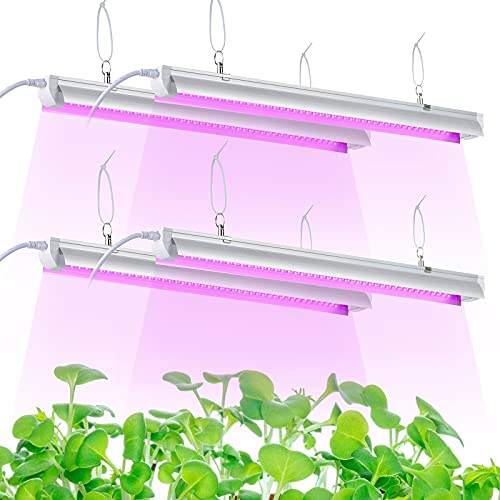
Full Spectrum - LED grow lights 2ft provide indoor plants with full-spectrum sunlight replacement. It provides the most reasonable grow light wave based on the ratio of the absorption of the plants

FULL-SPECTRUM LED GROW LIGHTS: grow lights,spectrum 380 nm - 780 nm, similar to natural sunlight, have a significant impact on plant germination, flowering, fruiting, and chlorophyll synthesis to promote photosynthesis, very suitable for all stages Various plants such as orchids, salads,tomatoes, lemon trees, succulents, seed germination, and aquarium plants such as algae. . Rocoking plant growth lights can be installed in greenhouses,planting tents, even hotels, restaurants, offices...

Light Conditions for Lettuce
Lettuce prefers 12 to 14 hours of light daily. Insufficient light can lead to leggy growth or poor flavor. If you’re gardening in the shade, consider these options:
- Partial Shade: Lettuce can tolerate 3 to 6 hours of direct sunlight, especially in warmer climates.
- Filtered Sunlight: Areas under trees or structures that diffuse sunlight can still support lettuce growth, as long as light is present most of the day.
- Supplemental Lighting: If shade is unavoidable, consider using grow lights to ensure plants get enough light for healthy growth.
- Planting Time: Start seeds in early spring or fall to take advantage of cooler weather.
- Monitor Temperature: During hot spells, provide shade using garden fabric or row covers to protect your plants.
- Choose Varieties: Opt for heat-tolerant lettuce varieties if you’re in a warmer climate to enhance resilience against temperature fluctuations.
Growing Lettuce in Shady Conditions
Lettuce can thrive in shady conditions, but choosing the right varieties and locations makes a big difference. Here are some essential details to consider.
Recommended Products
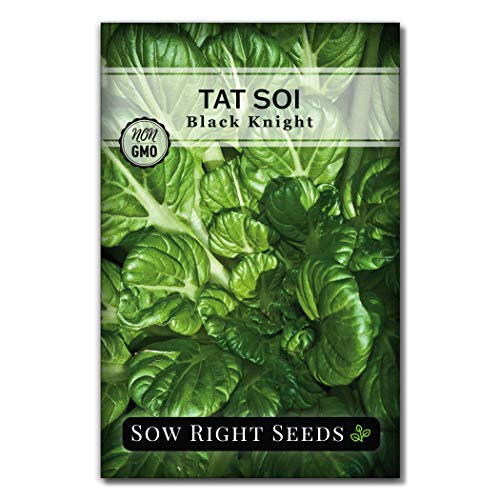
Beautiful - Large premium packets of Black Knight Tatsoi (Brassica rapa var. narinosa 'Black Knight') seeds. An ancient Chinese green of the brassica family, with dark green spoon shaped leaves. Black Knight is hardy to frost and makes a great cool season plant. Harvest baby leaves or wait until the plant matures for stronger leaves that hold up well in stir-fries. Minimum of 750mg per packet (about 350 seeds).

USDA Certified Organic by Oregon Tilth
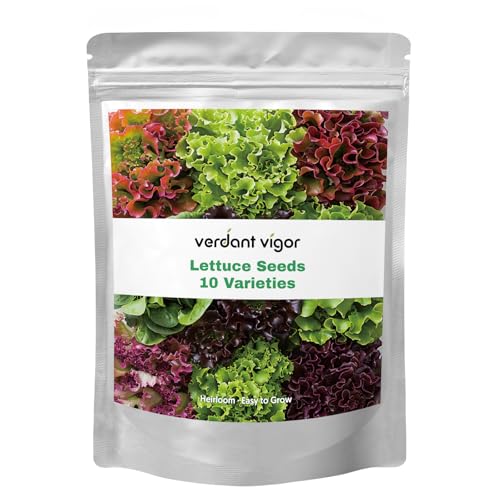
Healthy Food Source: Because of its tender flavor, lettuce is a popular vegetable for salad, sandwiches, wraps, soups, stir-fries and juice. There are over 20,000 seeds, 10 kinds of lettuce collection, including bibb, boston, iceberg, buttercrunch, grand rapids TBR, oakleaf, ruby leaf, cimmaron romaine and waldmann's
Types of Lettuce That Tolerate Shade
- Leaf Lettuce: Leaf varieties, like Butterhead and Looseleaf, adapt well to shade. Their delicate leaves often retain tenderness under less light.
- Romaine Lettuce: Romaine can handle partial shade. Like leaf lettuce, it maintains a crisp texture and flavor, even in lower light.
- Asian Greens: Varieties like Mizuna and Tatsoi also thrive in shade. They’re quick to grow and add unique flavors to salads.
- Lettuce Mixes: Pre-packaged salad mixes usually combine these superior varieties for diverse choices.
- Under Trees: Plant lettuce beneath deciduous trees. These trees provide dappled sunlight, especially in early spring before they fully leaf out.
- North or East Facing Gardens: Position your garden on the north or east side of structures. These areas receive less direct sunlight during the day, offering ample shade.
- Near Fences: Install your lettuce close to tall fences or walls. These barriers cast shadows, reducing light exposure without completely blocking it.
- Covered Patios: Utilize space on covered patios where you can control direct sunlight. Here, shade can help prolong the growing season.
Ensure you monitor your plants’ growth. Adjusting your gardening strategy based on light access helps maintain healthy lettuce in shaded areas.
Benefits of Growing Lettuce in the Shade
Growing lettuce in shaded areas offers several advantages. It enhances growth conditions while reducing challenges commonly faced in full sun.
Pest and Disease Reduction
Growing lettuce in the shade lowers the risk of pests and diseases. Warmer temperatures and direct sunlight often attract pests like aphids and caterpillars. With reduced exposure, your lettuce stays healthier. For instance, planting lettuce under trees not only offers shade but also provides natural barriers against pests. Fungi, which thrive in humid conditions, also find less favorable environments in shaded areas.
Extended Growing Seasons
Shaded gardens often enjoy extended growing seasons. Cooler temperatures prevent lettuce from bolting, allowing you to harvest fresh greens for longer periods. For example, starting your lettuce seeds in early spring or late summer in shaded spots results in continuous yields. Utilize techniques like rotating crops or planting successive batches to maintain a steady supply throughout the growing season.
Challenges of Growing Lettuce in the Shade
Growing lettuce in the shade presents several obstacles that can impact your success. Understanding these challenges helps you adapt your gardening approach.
Recommended Products

🥬 Heat-Tolerant Upright Romaine: Jericho Romaine Lettuce (Lactuca sativa) forms tall, sturdy heads with crisp ribs and tender, mildly sweet leaves. Known for its strong heat tolerance compared to many romaine varieties, it grows 18–24 inches tall and delivers reliable harvests in extended spring and early summer conditions.

CLASSIC HEIRLOOM LETTUCE SEEDS – Black-seeded Simpson is a beloved loose-leaf lettuce with light green ruffled leaves and sweet mild taste, ideal for fresh salads and easy harvests from spring through fall
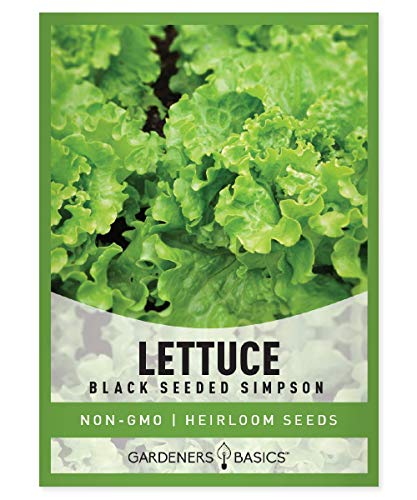
Black Seeded Simpson is a classic heirloom loose leaf lettuce with large, tender green leaves and a mild, sweet flavor. Harvest fresh leaves for salads, sandwiches, wraps, and other homegrown meals.
Risk of Bolting
Lettuce is susceptible to bolting, or premature flowering, when exposed to stress factors, including inadequate sunlight. If lettuce doesn’t receive enough light, it may bolt sooner. Bolting leads to a bitter taste and a decline in leaf quality. To mitigate bolting, choose shade-tolerant varieties like Butterhead or Romaine. Additionally, monitor temperature and water levels; consistent moisture can help reduce stress and delay bolting.
Nutrient Deficiencies
Growing lettuce in shaded areas can lead to nutrient deficiencies. Reduced sunlight limits photosynthesis, affecting the plant’s ability to absorb nutrients effectively. Nutrient deficiencies often result in yellowing leaves and stunted growth. To combat this issue, enhance soil quality by incorporating compost or organic fertilizers rich in nitrogen. Regularly test your soil to ensure it meets lettuce’s nutrient needs. Since shaded areas may retain moisture, avoid overwatering and check for proper drainage to maintain healthy roots.
Conclusion
Growing lettuce in the shade can be a rewarding experience if you embrace the unique challenges it presents. By selecting the right varieties and paying attention to your plants’ needs you can enjoy a bountiful harvest even in less-than-ideal lighting conditions.
Remember to monitor your lettuce regularly and adjust your care routine as needed. With a little patience and creativity you can cultivate healthy lettuce that thrives in your shaded garden. Happy gardening!
Frequently Asked Questions
What are the main challenges of growing lettuce in limited sunlight?
Growing lettuce in limited sunlight can lead to inadequate growth, bolting, and nutrient deficiencies. Lettuce typically requires 12 to 14 hours of light daily, which can be hard to achieve in shaded areas.
How can I grow lettuce in shaded areas?
To grow lettuce in shaded areas, choose shade-tolerant varieties, ensure proper drainage, and improve soil quality with compost or organic fertilizers. Utilizing partial shade and supplemental lighting can also help.
What benefits does growing lettuce in the shade offer?
Growing lettuce in shaded areas can reduce exposure to pests and diseases, extend growing seasons, and prevent bolting, which is when lettuce plants flower and become bitter.
How do I prevent bolting in lettuce?
To prevent bolting, select varieties that are resistant to heat, monitor temperature closely, and ensure they receive enough water. Supplemental lighting may also help during periods of low natural light.
How can I improve soil quality for lettuce growth?
You can improve soil quality by adding compost or organic fertilizers to enhance nutrients and ensure good drainage, which is vital for healthy lettuce growth, especially in shaded areas.
How important is monitoring plant growth in shaded gardens?
Monitoring plant growth is crucial in shaded gardens because it helps you adjust your gardening strategies based on changing light access, ensuring your lettuce remains healthy and productive.
