

Have you ever wanted to enjoy fresh, homegrown lettuce right from your garden? Planting lettuce in a raised bed is one of the easiest ways to kickstart your gardening journey. Whether you’re a seasoned gardener or just starting out, growing your own greens can be incredibly rewarding.
Key Takeaways
- Choose the Right Variety: Select lettuce types based on flavor, texture, and local climate, with options like Butterhead, Romaine, Leaf, and Cos varieties.
- Prepare the Soil Properly: Use a balanced soil mix of compost, loamy soil, and peat moss, ensuring a pH level of 6.0 to 6.8 and proper drainage for healthy root development.
- Timing is Key: Plant lettuce seeds in early spring or late summer, aiming for soil temperatures between 40°F and 75°F, while considering local frost dates.
- Watering and Care: Maintain consistent moisture by watering deeply and infrequently, utilizing soaker hoses or drip irrigation, and monitor for pests regularly.
- Harvest at the Right Time: Check for leaf size, color, and texture as indicators for harvesting, using clean tools and techniques that promote potential regrowth.
- Embrace Continuous Learning: Experiment with different varieties and techniques to enhance your gardening experience and discover new flavors.
Choosing the Right Lettuce Variety
Selecting the right lettuce variety sets you up for success in your raised bed. Consider factors like flavor, texture, and growing conditions as you choose.
Types of Lettuce for Raised Beds
- Butterhead Lettuce: This type offers tender, buttery leaves. Varieties like ‘Boston’ and ‘Bibb’ thrive in warmer temperatures.
- Romaine Lettuce: Known for its sturdy, upright leaves, romaine is great for salads. Try ‘Cos’ or ‘Little Gem’ for compact options.
- Leaf Lettuce: Leaf varieties like ‘Red Romaine’ and ‘Green Leaf’ grow quickly. They’re perfect for continuous harvests throughout the season.
- Cos Lettuce: Cos, with its crisp leaves and upright growth, is another excellent choice. Excellent examples include ‘Butterhead’ and ‘Apium’.
- Growing Season: Choose varieties suitable for your local climate. Check your region’s average frost dates when selecting seeds.
- Days to Maturity: Look for seeds with shorter maturation times if you’re eager for quick harvests. Varieties can range from 30 to 80 days to maturity.
- Disease Resistance: Opt for disease-resistant varieties to minimize pest and disease issues. This will help ensure a healthy, productive garden.
- Personal Preference: Consider your taste preferences and recipe uses. Taste profile can vary, so experimenting with a few types can lead to delightful discoveries.
Preparing the Raised Bed
Preparing your raised bed properly ensures a thriving environment for your lettuce. Focus on the right soil mix and drainage to promote healthy growth.
Ideal Soil Mix for Lettuce
Use a well-balanced soil mix that promotes good growth. Combine equal parts of compost, loamy soil, and peat moss or coconut coir. Compost adds essential nutrients, while loamy soil provides structure. Peat moss or coconut coir enhances moisture retention. Aim for a pH level of 6.0 to 6.8 for optimal growth. Test your soil with a kit to confirm its pH.
Ensuring Proper Drainage
Ensure proper drainage to prevent root rot. Incorporate perlite or sand into your soil mix at a ratio of 1:4 to improve aeration and drainage. Elevate the bed slightly above ground level to create a slope for excess water run-off. After heavy rain, check for pooling and adjust if necessary to keep the soil evenly moist.
Planting Lettuce Seeds
Planting lettuce seeds requires careful timing and proper techniques to ensure healthy growth. This veggie thrives in cooler temperatures and needs sufficient space for optimal development.
Best Time to Plant Lettuce
Plant lettuce in early spring or late summer for the best results. Lettuce loves cool weather, so aim for soil temperatures between 40°F and 75°F. In spring, sow seeds about two weeks before the last frost. For a fall crop, plant seeds about six to eight weeks before the first expected frost. Check your local frost dates to plan accurately.
Planting Techniques and Spacing
Follow these steps to plant lettuce seeds effectively:
- Prepare the Soil: Evenly distribute your soil mix inside the raised bed. Level the surface for uniform seed distribution.
- Sow Seeds: Scatter seeds thinly on the soil surface. For a denser crop, plant seeds 1 inch apart, or for more space, plant them 2-3 inches apart. Lightly cover the seeds with a thin layer of soil, around 1/4 inch deep.
- Watering: Gently mist the soil after planting to avoid displacing the seeds. Keep the soil consistently moist but not saturated.
- Thin Seedlings: Once seedlings are 2-3 inches tall, thin them by snipping excess plants at soil level. Aim for a spacing of 6-12 inches between plants for head varieties and 4-6 inches for loose-leaf types.
By following these steps, you can cultivate vibrant and tasty lettuce in your raised bed.
Caring for Lettuce in a Raised Bed
Caring for lettuce in a raised bed involves specific practices that promote healthy growth and a bountiful harvest. Focus on watering and pest control for optimal results.
Recommended Products
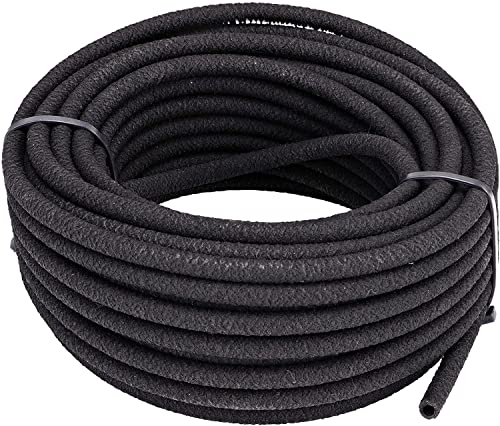
Slowly waters the soil around your plants for complete root zone hydration; Ideal for short runs on flat surfaces, such as vegetable gardens, borders, and around small plants

Higher Cost Performance Provide: enough length soaker hoses to get higher cost performance,and our 1/4 " diameter soaker hose set not only include 100 Ft length soaker hose but also include a rich range of accessories for a variety of uses,help you make custom length soaker hoses cheap & easy.
Watering Requirements
Watering lettuce properly is essential for its growth. Lettuce prefers consistent moisture, so water deeply but infrequently. Ensure the top inch of soil remains moist.
- Use a soaker hose or drip irrigation for even moisture distribution.
- Water in the morning to prevent evaporation and fungal diseases.
- Adjust watering frequency based on weather conditions; hot days may require extra attention.
Pest Control Tips
Pest control helps keep your lettuce healthy and thriving. Several pests can target lettuce, including aphids, slugs, and caterpillars.
- Inspect plants weekly for signs of pests.
- Introduce beneficial insects, like ladybugs, to naturally manage pest populations.
- Use neem oil or insecticidal soap as organic pesticides when necessary.
Regular care and vigilance will ensure your raised bed lettuce flourishes throughout the growing season.
Harvesting Lettuce
Harvesting lettuce at the right time ensures you enjoy fresh, crisp leaves. Monitor your plants closely to determine the ideal moment for harvest.
Signs of Readiness
Look for these indicators to know when your lettuce is ready to harvest:
- Leaf Size: Lettuce leaves typically reach a desirable size between 4 to 8 inches. Check for uniform growth across plants.
- Color: Vibrant green leaves signal freshness. If they appear dull or yellowing, it’s time to harvest.
- Texture: Firm, crisp leaves indicate optimal readiness. Soft or wilting leaves suggest that they’ve gone past their prime.
Proper Harvesting Techniques
Follow these techniques for an effective harvest:
- Use Clean Tools: Use a sharp knife or garden scissors for a clean cut. This prevents damage to the remaining plants.
- Cut Above the Soil: Cut the leaves about an inch above the soil. This allows for potential regrowth, especially with loose-leaf varieties.
- Handle Gently: Avoid bruising the leaves. Place harvested lettuce in a breathable container or basket to maintain freshness.
- Harvest in the Morning: Early hours offer cooler temperatures. This helps preserve the crispness of your leaves.
Implement these practices to ensure a successful and productive lettuce harvest, giving you delicious greens for your meals.
Conclusion
Growing lettuce in a raised bed is a rewarding experience that brings fresh greens right to your table. By choosing the right varieties and following the planting and care tips, you can enjoy a bountiful harvest.
Remember to keep an eye on your plants and harvest them at their peak for the best flavor. With a little patience and attention, you’ll be able to savor the fruits of your labor in no time. Happy gardening and enjoy those crisp, delicious salads!
Frequently Asked Questions
What are the benefits of growing lettuce in a raised bed?
Growing lettuce in a raised bed improves drainage, provides better soil quality, and enhances accessibility for gardeners. The controlled environment helps deter pests, reduces weeds, and allows for extended growing seasons.
How do I choose the right lettuce varieties?
When selecting lettuce varieties, consider your climate, taste preferences, and the space available. Popular options include Romaine, Butterhead, and Leaf lettuce, each offering unique flavors and textures that suit various culinary uses.
What soil mix is best for planting lettuce in a raised bed?
A well-draining soil mix rich in organic matter is ideal for growing lettuce. Combine equal parts of compost, peat moss, and perlite or vermiculite to ensure good aeration, moisture retention, and nutrient availability.
How should I care for my lettuce plants?
Caring for lettuce involves consistent watering, ideally keeping the soil moist but not soggy. Regularly check for pests and diseases, and remove any weeds that may compete for nutrients and water.
When is the best time to harvest lettuce?
Lettuce is best harvested when leaves are crisp, vibrant in color, and mature, which typically occurs 30-60 days post-sowing. Monitor leaf size and texture for readiness.
What are the proper techniques for harvesting lettuce?
Use clean, sharp tools for harvesting. Cut the leaves just above the soil line, being gentle to avoid damaging the plant. Harvesting in the morning ensures maximum freshness and flavor.
