

Have you ever wondered if you can plant lettuce and kale side by side in your garden? If you’re looking to maximize your space and grow delicious greens, this question is more relevant than ever.
Key Takeaways
- Lettuce and Kale Compatibility: Both lettuce and kale thrive in similar growing conditions, making them ideal companions in the garden.
- Nutritional Benefits: Together, they provide a powerful nutritional boost, offering essential vitamins and minerals that support overall health.
- Growing Requirements: Lettuce prefers cooler temperatures and partial shade, while kale is heat-tolerant and thrives in full sun; spacing them properly optimizes their growth.
- Companion Planting Advantages: Planting lettuce and kale together can enhance pest control, optimize space, improve soil health, and create beneficial microclimates.
- Best Practices: Implement recommended techniques like proper soil preparation, sowing depth, companion placement, and consistent watering for optimal results.
- Crop Rotation: Rotate crops annually to prevent soil depletion and pest build-up, promoting healthier growth for both lettuce and kale.
Understanding Lettuce and Kale
Lettuce and kale both thrive in similar environments, making them ideal companions in the garden. Understanding their individual characteristics helps you maximize your harvest.
Nutritional Benefits
Lettuce offers hydration and essential vitamins. A 100-gram serving contains about 95% water, as well as significant amounts of vitamin A, vitamin K, and folate.
Kale is a nutrient powerhouse, rich in vitamins C, K, and A. A 100-gram serving provides calcium, iron, and antioxidants, supporting overall health. Combining these greens in your diet boosts nutrition significantly.
Growing Requirements
Lettuce prefers cooler temperatures, thriving in 60°F to 70°F. It tolerates partial shade, making it easier to grow in diverse conditions. Plant lettuce 12 inches apart for optimal growth.
Kale is more heat-tolerant, growing well in 65°F to 80°F. Full sun yields the best results, and spacing of 18 inches between plants helps them flourish. Both crops benefit from well-draining soil enriched with organic matter.
Consider rotating crops every growing season to prevent soil depletion and pest buildups. Regular watering ensures healthy foliage and encourages leafy growth, benefiting both lettuce and kale.
Companion Planting Basics
Companion planting involves growing two or more plants together for mutual benefits. Understanding this practice can enhance your garden’s productivity and health.
Recommended Products

Beautiful - Individual packets of herbs and flowers including Lavender (Lavandula angustifolia), Catnip (Nepeta cataria), Crackerjack Marigold (Tagetes erecta), Hyssop (Hyssopus officinalis), and Lemon Grass (Cymbopogon flexuosus). These varieties look stunning while protecting the garden!

The Best Value - Organo Republic Marigold Seeds Pack includes 1 oz or approximately 9,250 Non-GMO heirloom marigold seeds. Marigold (Tagetes erecta) offers vibrant ornamental beauty and is valued in traditional medicine for its anti-inflammatory and antimicrobial benefits.

🌞 BRIGHT BLOOMS – Tagetes erecta variety with bold, deep orange flowers on tall 24–36" stalks. 2–3" blooms add vibrant color to summer gardens.
What Is Companion Planting?
Companion planting focuses on the strategic placement of plants to improve growth and deter pests. Certain plants enhance each other’s growth by attracting beneficial insects or providing natural pest control. For example, marigolds repel aphids, benefiting nearby greens. Lettuce and kale can thrive together due to their similar requirements and complementary growth habits.
Benefits of Companion Planting
Companion planting offers several advantages for your garden.
- Pest Control: Planting lettuce and kale alongside pest-repelling herbs or flowers reduces unwanted insects. This can lead to healthier crops.
- Space Optimization: By planting smaller greens like lettuce with larger plants such as kale, you maximize garden space effectively. This approach increases your yield within limited areas.
- Soil Health: Some plants fix nitrogen in the soil, improving nutrient availability for neighboring plants. This promotes robust growth for both lettuce and kale.
- Microclimate Creation: Taller plants can provide shade for sun-sensitive crops. Lettuce benefits from the shade that kale provides during hotter months.
Leveraging the principles of companion planting enhances the overall health and productivity of your garden, making it a valuable strategy for cultivating nutritious greens.
Can Lettuce and Kale Be Planted Together?
You can plant lettuce and kale together effectively. Both plants thrive in similar growing environments, making them ideal companions in your garden.
Recommended Products
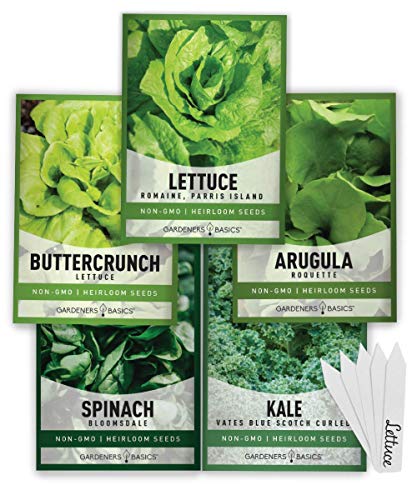
Five leafy greens varieties: Plant Parris Island romaine lettuce seeds, Buttercrunch lettuce seeds, Roquette arugula seeds, Vates Blue Scotch Curled kale seeds, and Bloomsdale spinach seeds. Includes 4,500+ seeds in five separate labeled packets.

USDA Certified Organic by Oregon Tilth

Beautiful - Bloomsdale Spinach (Spinacia oleracea), Arugula (Eruca sativa), Lacinato Kale (Brassica oleracea var. palmifolia), Bronze Arrow Lettuce (Lactuca sativa), Black Knight Tat Soi (Brassica rapa var. narinosa), Buttercrunch Lettuce (Lactuca sativa), White Stem Pak Choi (Brassica rapa subsp. chinensis), Greenwave Mustard Greens (Brassica var. Greenwave), Corn Salad Lamb’s Lettuce (Valerianella locusta), and Fordhook Swiss Chard (Beta vulgaris var. cicla).
Similarities in Growing Conditions
Both lettuce and kale prefer nutrient-rich soil and consistent moisture. They grow well in cooler temperatures, especially in spring and fall. Lettuce enjoys partial shade, while kale can handle full sun, allowing them to complement each other in your garden. Both varieties benefit from good air circulation, which helps reduce the risk of diseases. Space them appropriately—about 12 to 18 inches apart—to ensure each plant receives adequate light and nutrients.
Potential Issues with Planting Together
While planting lettuce and kale together has benefits, some challenges exist. If lettuce grows too close to kale, it may compete for nutrients and water. Additionally, lettuce is more sensitive to heat, so if the temperatures rise, it might bolt faster than kale. Monitor soil moisture closely, as both need consistent watering, but overwatering can lead to root rot. Using mulch can help retain soil moisture and regulate temperatures, benefiting both plants.
Best Practices for Planting
When planting lettuce and kale together, follow specific practices for optimal growth and compatibility. These tips enhance the health of both greens while maximizing your garden’s productivity.
Recommended Products
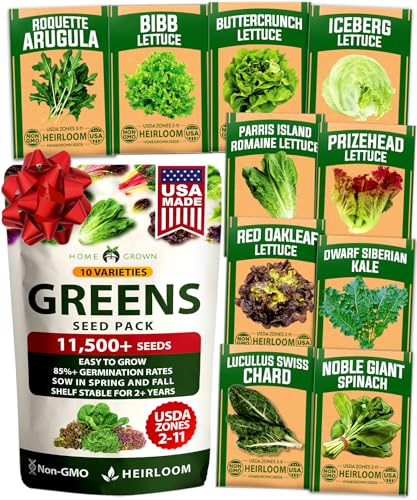
COMPLETE VARIETY PACK: Ten popular lettuce and leafy green varieties; Romaine lettuce seeds, Buttercrunch, Iceberg, Bibb, Red Oakleaf, Prizehead, Kale, Spinach and more; Perfect for organic salad gardens; High 95% germination rate

COMPLETE VARIETY PACK: 20 premium heirloom lettuce seeds varieties including romaine lettuce seeds, butter lettuce seeds, iceberg lettuce seeds, leaf lettuce seeds, and nutritious greens seeds for planting; Perfect for creating your own organic salad garden

4 Popular Heirloom Lettuce Varieties: Includes Red Romaine, Bibb Butterhead, Black Seeded Simpson, and Green Ice lettuce seeds to grow crisp, tender, and colorful salad greens with balanced flavor, texture, and visual appeal.
Recommended Planting Techniques
- Prepare the Soil: Use well-draining, nutrient-rich soil for both crops. Add compost to improve soil health and structure.
- Sow Seeds Properly: Plant lettuce seeds about 1/4 inch deep and kale seeds about 1/2 inch deep. Lightly cover with soil.
- Companion Placement: Position lettuce on the north side of kale when planted in rows. This arrangement ensures that kale doesn’t overshadow the lettuce, allowing both to receive adequate sunlight.
- Mulch: Apply a thin layer of mulch around the plants to retain soil moisture and suppress weeds. This practice benefits both types of greens.
- Monitor Pests: Keep an eye out for pests. Use row covers early in the season to protect young plants while allowing good airflow.
- Seeding Time: Plant kale seeds in early spring or fall. Lettuce thrives in cool weather, so sow it in early spring or late summer.
- Spacing Guidelines: Space lettuce plants 6-12 inches apart and kale plants 12-18 inches apart. This distance allows for air circulation while preventing overcrowding.
- Rotate Crops: Implement crop rotation each year to diminish pest and disease buildup. Following lettuce and kale, consider planting beans or peas to enhance soil fertility.
- Watering Routine: Water regularly, focusing on the base of the plants. Ensure the soil remains consistently moist but not soggy for healthier growth.
Conclusion
Growing lettuce and kale together can be a rewarding experience for your garden. By following the right techniques and paying attention to their needs you can enjoy a bountiful harvest of these nutritious greens.
With proper spacing and care you’ll create an environment that supports both plants. Plus the benefits of companion planting will help you manage pests and improve soil health.
So grab your seeds and get started on this delightful gardening adventure. Your taste buds and health will thank you!
Frequently Asked Questions
What are the benefits of planting lettuce and kale together?
Planting lettuce and kale together boosts garden productivity due to their similar growing conditions. Both greens can share nutrients and space, leading to efficient use of garden plots. Additionally, this companion planting helps deter pests and enhances overall plant health.
How should I space lettuce and kale in my garden?
For optimal growth, space lettuce about 6-12 inches apart and kale 12-18 inches apart. This space allows for proper air circulation, minimizes competition for nutrients, and reduces the risk of disease.
What soil do lettuce and kale prefer?
Lettuce and kale thrive in well-draining, nutrient-rich soil with a pH of 6.0 to 7.0. Incorporating organic matter, like compost, enhances soil quality, providing essential nutrients for healthy plant growth.
What watering routine is recommended for lettuce and kale?
Both lettuce and kale require consistent moisture. Water them deeply once or twice a week, depending on weather conditions, ensuring the top inch of soil stays moist but not waterlogged.
When is the best time to plant lettuce and kale?
The ideal planting time varies by region, but typically, you should plant lettuce and kale in early spring or late summer. This timing avoids scorching heat and promotes better growth.
How can I manage pests when growing lettuce and kale?
Regularly monitor plants for pests like aphids and slugs. Use organic pest control methods, such as neem oil or insecticidal soap, and encourage beneficial insects to maintain a healthy garden ecosystem.
What are effective mulching techniques for lettuce and kale?
Apply a layer of organic mulch, such as straw or shredded leaves, around lettuce and kale. Mulching retains soil moisture, suppresses weeds, and regulates soil temperature, promoting healthier plants.
What crop rotation practices should I follow with lettuce and kale?
Rotate lettuce and kale with other crops each growing season to reduce soil-borne diseases and pests. Avoid replanting them in the same location for at least three years to maintain soil health.
