

Have you ever worried about your lettuce plants when the temperature drops? You’re not alone. Many gardeners face the challenge of protecting their greens from unexpected frosts, especially in early spring or late fall.
Key Takeaways
- Understanding Frost Types: Familiarize yourself with radiation, advection, and ground frost to better protect your lettuce plants from temperature drops.
- Temperature Tolerance: Lettuce thrives between 60°F and 70°F but can endure short periods of frost down to 28°F with potential damage if exposed longer.
- Frost-Hardy Varieties: Select cold-hardy lettuce types, such as Winter Density, Butterhead, and Romaine, which are more resilient to frost and provide higher sugar levels to combat damage.
- Strategic Planting: Start seeds indoors and choose frost-resistant varieties aligned with your local climate and USDA hardiness zone for better success in cooler conditions.
- Protective Measures: Utilize covering techniques like row covers, tarps, and cold frames to shield your lettuce from frost and promote survival through colder nights.
- Monitor Local Frost Dates: Keep track of average frost dates in your region to optimize your planting schedule and employ succession planting for continuous harvests.
Understanding Frost and Its Effects on Plants
Frost poses significant challenges for gardeners, especially when it comes to lettuce plants. Understanding frost types and the temperature thresholds for lettuce helps you better protect your crops.
Types of Frost
- Radiation Frost: Occurs on clear, calm nights. It results from heat radiating from the ground into the atmosphere. This type commonly affects low-lying areas.
- Advection Frost: Happens when warm air is replaced by cold air. This type affects larger areas and usually occurs during windy conditions.
- Ground Frost: Forms when the ground temperature drops below freezing, often leading to frost on the leaves of plants. It typically occurs in the early morning.
- Optimal Range: Lettuce thrives best in temperatures between 60°F and 70°F. This range promotes healthy growth and flavor development.
- Tolerable Low: Lettuce can tolerate temperatures down to 28°F for short periods. However, extended exposure below this threshold can damage the leaves.
- Frost Hardiness: Certain types of lettuce, like romaine and butterhead, show more resilience to freezing than others, such as leaf lettuce. Prioritize frost-hardy varieties for seasonal planting.
By familiarizing yourself with these frost types and temperature thresholds, you can take proactive steps to protect your lettuce plants and ensure a bountiful harvest.
Lettuce Varieties and Frost Resistance
Lettuce plants exhibit varying levels of frost resistance based on their variety. Selecting the right type can significantly enhance your success in cooler climates.
Recommended Products
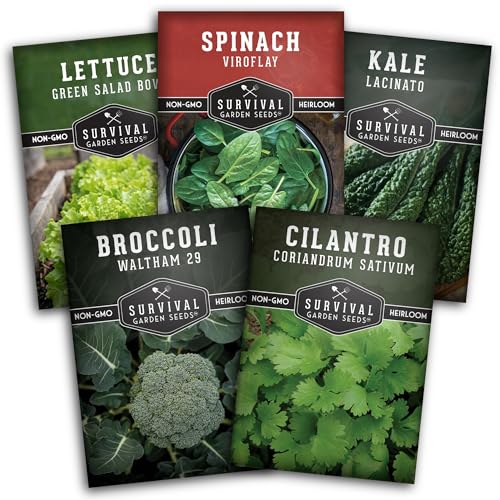
5 COOL SEASON VARIETIES – Includes Broccoli Waltham 29, Kale Lacinato, Lettuce Green Salad Bowl, Spinach Viroflay, and Cilantro for versatile garden harvests

ABUNDANT AUTUMN & WINTER HARVEST: Unlock a generous bounty of the finest autumn and winter vegetables from our carefully curated collection. Designed for fast results, effortless care, and high yields, this premium assortment allows you to plant new crops multiple times per season. Experience the joy of growing robust, cold-hardy varieties that thrive in shorter daylight hours and cooler temperatures.

COLD HARDY SEED PACK: Brave the chill with this 10-pack of cold-tolerant crops! From hearty Champion Collard Greens and Dazzling Blue Kale to sweet Nantes Carrots and vibrant Rouge d'Hiver Lettuce, this collection is perfect for cool-season gardening.
Cold-Hardy Varieties
Cold-hardy varieties thrive in lower temperatures and can withstand light frosts. Some examples include:
- Winter Density: This variety tolerates cold temperatures and offers a crisp texture, making it ideal for late fall and winter harvests.
- Butterhead: Known for its tender leaves, Butterhead remains robust in chilly conditions, providing an excellent source of salad greens.
- Romaine: Romaine lettuce is resilient to frost and offers a strong flavor profile, perfect for hearty salads.
These varieties often contain higher sugar levels than other types, which helps prevent cell damage during frost events.
Tips for Selecting Frost-Resistant Lettuce
When choosing frost-resistant lettuce, consider these essential tips:
- Check Growth Habits: Look for varieties labeled as slow-bolting or frost-tolerant.
- Consider Planting Timing: Start seeds indoors early, then transplant outside well before the last expected frost date.
- Monitor Local Climate: Know your USDA hardiness zone to select varieties suited for your area’s frost conditions.
- Utilize Microclimates: Plant in sheltered spots where cold air doesn’t settle, such as against a south-facing wall.
Following these guidelines helps you make informed choices that enhance your chances of successfully growing lettuce in frost-prone areas.
Best Practices for Protecting Lettuce from Frost
Protecting your lettuce plants from frost enhances their chances of survival and ensures a fruitful harvest. Implementing effective strategies can minimize frost damage.
Covering Techniques
Use protective coverings to shield your lettuce from frost. Consider these options:
- Row Covers: Lightweight fabrics allow sunlight in while trapping heat. Secure the edges to prevent wind from blowing them away.
- Tarp or Blanket: Heavy-weight tarps or old blankets can act as barriers against frost. Drape them over the plants at night and remove them in the morning after the threat passes.
- Cold Frames: Build cold frames from transparent materials. These structures capture sunlight during the day and retain heat overnight.
- Choose the Right Season: Plant cool-season varieties in early spring or late summer. This timing helps your plants establish before frost arrives.
- Monitor Local Frost Dates: Research average last frost dates for your area. Adjust your planting schedule accordingly to avoid the frost window.
- Succession Planting: Implement succession planting to ensure staggered harvests. This strategy means you always have lettuce ready, even if some fall victim to unexpected frost.
Conclusion
Frost doesn’t have to spell doom for your lettuce plants. By choosing the right varieties and taking a few protective measures you can enjoy a thriving crop even in cooler temperatures. Embrace the beauty of gardening through the seasons and don’t let a little frost hold you back.
With the right knowledge and tools you can cultivate a delicious harvest that stands strong against the chill. So gear up and get ready to plant those frost-resistant lettuces. Happy gardening!
Frequently Asked Questions
What types of frost affect lettuce plants?
Frost types include light frost, moderate frost, and hard frost, which can impact lettuce plants differently. Light frost might cause minor leaf damage, while moderate and hard frosts can severely affect growth and yield, making it crucial to understand which types are common in your gardening area.
What is the optimal temperature range for lettuce growth?
Lettuce grows best in temperatures between 60°F and 70°F (15°C to 21°C). Exposure to temperatures below 32°F (0°C) can damage the plants, so monitoring local temperatures is crucial for healthy lettuce cultivation.
Which lettuce varieties are frost-hardy?
Cold-hardy varieties include Winter Density, Butterhead, and Romaine. These varieties are specifically bred to withstand colder temperatures and perform well even in frost-prone conditions, making them ideal for winter gardening.
How can I choose frost-resistant lettuce?
To select frost-resistant lettuce, check for growth habits suitable for cooler climates, consider planting timings aligned with local frost dates, and explore microclimates in your garden that may offer some protection from harsh conditions.
What are effective ways to protect lettuce from frost?
You can protect lettuce by using row covers, tarps, or cold frames to insulate plants. Additionally, planting cool-season varieties at appropriate times and practicing succession planting can help ensure continued harvests despite frost threats.
