

Have you ever tasted a fresh salad made from your own garden? Growing lettuce is one of the easiest and most rewarding ways to start your gardening journey. Whether you’re a seasoned gardener or just starting out, lettuce thrives in a variety of conditions, making it perfect for anyone looking to add a touch of green to their space.
Key Takeaways
- Location Matters: Choose a sunny spot that gets at least six hours of light daily, sheltered from strong winds for optimal lettuce growth.
- Soil Preparation: Ensure the soil is loose and enriched with organic compost, and test for pH levels between 6.0 and 7.0 to promote healthy crop development.
- Variety Selection: Opt for different types of lettuce, like leaf or romaine, based on your taste preferences and growing conditions; stagger planting times for continuous harvests.
- Planting Techniques: Whether direct seeding or transplanting, maintain proper spacing (6-12 inches apart) and depth (¼ to ½ inch) to support healthy growth.
- Consistent Care: Water regularly (1-2 inches per week) and monitor for pests and diseases, using natural management techniques to protect your crop.
- Timely Harvesting: Harvest when lettuce shows signs of maturity (size, color, texture) using clean tools and careful handling to maximize freshness and flavor.
Preparing Your Garden Bed
Preparing your garden bed sets the foundation for healthy lettuce growth. Focus on selecting the right location and ensuring the soil is primed for planting.
Choosing the Right Location
Choose a spot that receives full sun for at least six hours daily. Look for areas shielded from strong winds, as this helps protect young lettuce plants. Consider proximity to water sources for easy irrigation. Observe neighboring plants or structures that might create shade, as too little light can stunt growth.
Soil Preparation and Testing
Prepare the soil by removing weeds, rocks, and debris from the garden bed. Use a garden fork or tiller to loosen the soil, working it to a depth of at least 12 inches. Mix in organic compost to enrich the soil, improving drainage and nutrient content. Test the soil pH; lettuce thrives in a range of 6.0 to 7.0. If the soil is too acidic or alkaline, amend it using lime or sulfur as needed.
Selecting Lettuce Varieties
Choosing the right lettuce variety enhances your gardening success. Several main types of lettuce offer different flavors, textures, and uses.
Recommended Products

USDA Certified Organic by Oregon Tilth

Grow crisp Parris Island Cos romaine with upright green leaves, sturdy ribs, and a mild flavor. A classic choice for salads, lettuce wraps, sandwiches, and fresh harvests from your own garden.

4 Popular Heirloom Lettuce Varieties: Includes Red Romaine, Bibb Butterhead, Black Seeded Simpson, and Green Ice lettuce seeds to grow crisp, tender, and colorful salad greens with balanced flavor, texture, and visual appeal.
Leaf Lettuce
Leaf lettuce features tender leaves that grow in loose clusters. Varieties like ‘Butterhead’ and ‘Oak Leaf’ are popular choices. These types mature quickly, typically in 30 to 60 days. For continuous harvest, stagger your planting every couple of weeks. They adapt well to varying temperatures, thriving in cool weather and partial shade.
Romaine Lettuce
Romaine lettuce is known for its crisp, upright leaves and robust flavor. Varieties such as ‘Parris Island’ and ‘Cos’ cultivate well. Romaine takes about 70 to 80 days to mature. It handles heat better than other types, making it ideal for summer gardens. Harvest when the heads feel firm but not overripe. This lettuce variety excels in salads and wraps, providing a satisfying crunch.
Planting Lettuce Seeds
Planting lettuce seeds requires careful attention to detail. Ensuring the right conditions leads to a healthy harvest.
Recommended Products

EASIER SEED STARTING: Our Burpee SuperSeed tray with 8 extra-large flexible pop-out cells is designed to simplify indoor seed starting. Just add seed starting mix, seeds, water and light to get growing! Perfectly sized for starting seeds in the windowsill: 11.5" x 5-3/16" x 2-1/4". Rows are labeled alphanumerically for seedling identification with included Plant-o-Gram diagram.

EASIER SEED STARTING: Our Burpee SuperSeed tray with 36 flexible pop-out cells is designed to simplify indoor seed starting for all your favorite vegetables, flowers and herbs. Just add seed starting mix, seeds, water and light to get growing! Rows are labeled alphanumerically for seedling identification with included Plant-o-Gram diagram. Tray dimensions: 11.5" x 10-3/8" x 2-1/4"

EASIER SEED STARTING: Our Burpee SuperSeed tray with 16 extra-large flexible pop-out cells is designed to simplify indoor seed starting. Just add seed starting mix, seeds, water and light to get growing! Rows are labeled alphanumerically for seedling identification with included Plant-o-Gram diagram.
Direct Seeding vs. Transplanting
Direct seeding involves planting seeds directly into your garden bed. This method suits lettuce well, as it grows quickly and germinates in cool soil. Plant seeds ¼ to ½ inch deep and space them about 6 to 12 inches apart, depending on the variety. If you’re short on space or time, consider transplanting starter plants from a nursery. Transplants allow for earlier harvests, as they give you a head start on growth. Whether direct seeding or transplanting, ensure gentle care of seedlings to encourage optimal growth.
Proper Spacing and Depth
Spacing and planting depth play crucial roles in lettuce health. Space seedlings 10 to 12 inches apart for larger heads like romaine. For leaf varieties, maintain a closer distance of 6 to 8 inches. Adequate spacing allows for air circulation and light penetration, preventing mildew and overcrowding. When planting, place seeds at a depth of ¼ to ½ inch. This depth aids germination while keeping them safe from light. After planting, lightly water the area, taking care not to wash the seeds away. Monitor moisture levels, ensuring the soil remains consistently moist but not soggy for strong growth.
Caring for Your Lettuce
Caring for your lettuce involves regular attention to watering and managing pests and diseases. Following these guidelines ensures a thriving crop.
Recommended Products

Kit converts a pop-up sprinkler spray head into a water-saving Drip emitter system
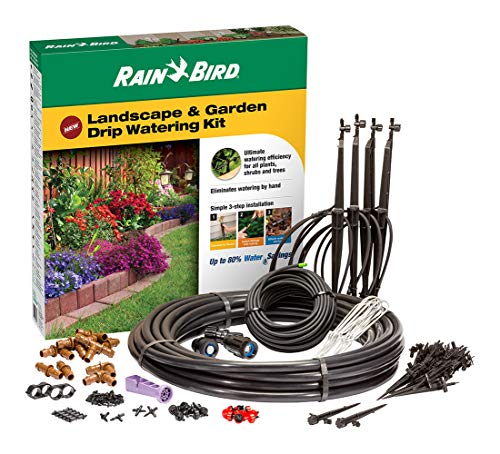
Comprehensive 108-piece kit for flower beds, gardens and landscaped areas; eliminates hand watering, saves time and money

【Upgraded Tube Design & Water Saving】 Our garden watering system is upgraded to 1/2” diameter to support high water pressure. The 1/2” tee connector allows seamless splitting into 2 independent zones for customized watering schedules. By delivering moisture directly to root zones, this drip Irrigation system significantly reduces evaporation and runoff—saving more water compared to conventional sprinklers while eliminating the need for manual watering.
Watering Techniques
Water your lettuce consistently. Aim for about 1 to 2 inches of water each week, either through rainfall or supplemental watering.
- Use drip irrigation systems to provide steady moisture while minimizing water waste.
- Water early in the morning to reduce evaporation and fungal diseases.
- Pay attention to the soil; if it feels dry about an inch down, it’s time to water.
Lettuce prefers evenly moist soil. Overwatering can lead to rot, while underwatering may cause bitterness.
Pest and Disease Management
Monitor your garden regularly for pests and diseases. Quick action prevents minor issues from becoming major problems.
- Handpick pests like aphids and slugs off your plants.
- Introduce beneficial insects such as ladybugs, which feed on harmful pests.
- Use row covers to protect young plants from pests while allowing air and sunlight to pass through.
Watch for signs of diseases like downy mildew and leaf spot.
- Remove affected leaves immediately to stop the spread.
- Ensure good air circulation around plants by spacing them properly.
Regularly inspecting your plants helps catch issues early, ensuring a healthy harvest.
Harvesting Lettuce
Harvesting lettuce at the right time ensures the best flavor and texture. Knowing when and how to harvest keeps your plants productive.
Signs of Maturity
Lettuce shows several signs when it’s ready for harvest. Look for these indicators:
- Size: Leaf lettuce typically measures 4 to 6 inches tall. Romaine heads should feel firm and measure about 6 to 8 inches in height.
- Color: Leaves turn bright green or deep red, depending on the variety. A vibrant color signals readiness.
- Texture: Leaves should feel crisp and fresh. Avoid harvesting if they appear wilted.
Check your plants every few days to ensure you’re not missing the perfect moment for a fresh harvest.
Best Harvesting Practices
Utilizing proper harvesting techniques prolongs the life of your lettuce and enhances flavor. Follow these steps for an optimal experience:
- Use Clean Tools: Always use clean shears or scissors to prevent disease transmission.
- Harvest in the Morning: Early morning harvesting ensures the leaves are crisp and full of moisture.
- Leave Some Leaves: For leaf lettuce, cut outer leaves about 1 inch above the base. This allows the inner leaves to continue growing. For romaine, cut at the base but leave a few outer leaves for regrowth.
- Avoid Damage: Handle the leaves gently. Bruised lettuce loses quality quickly.
- Store Properly: Place harvested lettuce in a cool, shady spot. Wrap it in damp paper towels and store in a plastic bag to maintain freshness.
With these practices, you’ll enjoy the freshest, most flavorful lettuce right from your garden.
Conclusion
Growing lettuce in your garden is a delightful journey that brings fresh flavors to your table. With the right preparation and care you can enjoy a bountiful harvest that enhances your meals. Remember to keep an eye on moisture levels and check for pests regularly to ensure your plants stay healthy.
As you watch your lettuce thrive you’ll appreciate the satisfaction of nurturing your own food. Whether you choose to direct seed or transplant starter plants the joy of harvesting your own crisp lettuce is unmatched. So grab your gardening tools and get started on this rewarding adventure. Happy gardening!
Frequently Asked Questions
What are the benefits of growing lettuce at home?
Growing lettuce at home offers numerous benefits such as fresh produce, cost savings, and the joy of gardening. It’s easy to grow, making it suitable for both beginners and experienced gardeners. Plus, home-grown lettuce can be picked at peak freshness, adding flavor and nutrition to your meals.
What is the best location for planting lettuce?
The ideal location for planting lettuce is a spot that receives full sun for at least six hours daily while being sheltered from strong winds. This ensures optimal growth and helps prevent damage to the delicate leaves of the plants.
How should I prepare my soil for lettuce?
To prepare your soil for growing lettuce, start by removing weeds and debris. Loosen the soil and enrich it with organic compost. It’s also important to test the soil pH, which should be between 6.0 and 7.0 for the best lettuce growth.
What types of lettuce should I grow?
There are various types of lettuce to consider, including leaf varieties like ‘Butterhead’ and ‘Oak Leaf,’ which mature quickly, and romaine varieties such as ‘Parris Island’ and ‘Cos,’ known for their crisp leaves and robust flavor. Choose based on your preferences and growing conditions.
How do I plant lettuce seeds?
You can plant lettuce seeds by either direct seeding them into the garden bed or transplanting starter plants from a nursery. Proper spacing is crucial: space larger romaine heads 10 to 12 inches apart and leaf varieties 6 to 8 inches apart.
How much water does lettuce need?
Lettuce generally requires about 1 to 2 inches of water per week. It’s best to water early in the morning using drip irrigation to minimize water loss and prevent fungal diseases. Ensure consistent moisture without overwatering.
How can I manage pests and diseases in my lettuce garden?
To manage pests and diseases, regularly inspect your garden. You can handpick pests, introduce beneficial insects, and use row covers for protection. Quick action against any signs of disease is crucial for maintaining a healthy crop.
When is the best time to harvest lettuce?
The best time to harvest lettuce is when it shows signs of maturity, such as appropriate size, color, and texture. For optimal freshness, harvest in the morning, using clean tools while leaving some leaves to encourage regrowth.
