

Have you ever wondered when the perfect time is to harvest your lettuce? You’re not alone. Many gardeners face the challenge of knowing when their leafy greens are ready to pick. It can be frustrating to wait and watch, unsure if you should leave them in the ground a bit longer or enjoy the fruits of your labor.
This article will guide you through the simple steps to harvest lettuce at just the right moment. You’ll learn how to spot the signs of readiness and the best techniques for picking without damaging your plants. By the end, you’ll be able to enjoy fresh, homegrown lettuce in your salads and sandwiches, making your gardening efforts truly rewarding.
Key Takeaways
- Timing is Crucial: Harvest lettuce when it reaches the right size, vibrant color, and crisp texture, preferably in the morning for optimal flavor.
- Know Your Varieties: Different types of lettuce, such as romaine, butterhead, and iceberg, have unique characteristics and harvest requirements that can enhance your garden’s diversity.
- Use Proper Tools: Essential tools like garden scissors, a basket, and gloves make harvesting easier and help keep your lettuce fresh and undamaged.
- Follow Best Practices: Implement careful cutting techniques and handling processes to maintain quality and prevent spoilage during and after harvesting.
- Store Effectively: Preserve freshness by washing, cooling immediately, and storing harvested lettuce in breathable containers to optimize shelf life.
Understanding Lettuce Types
Understanding the types of lettuce can help you choose the right variety for your garden. Different types have unique flavors, textures, and growing requirements.
Recommended Products

4 Popular Heirloom Lettuce Varieties: Includes Red Romaine, Bibb Butterhead, Black Seeded Simpson, and Green Ice lettuce seeds to grow crisp, tender, and colorful salad greens with balanced flavor, texture, and visual appeal.
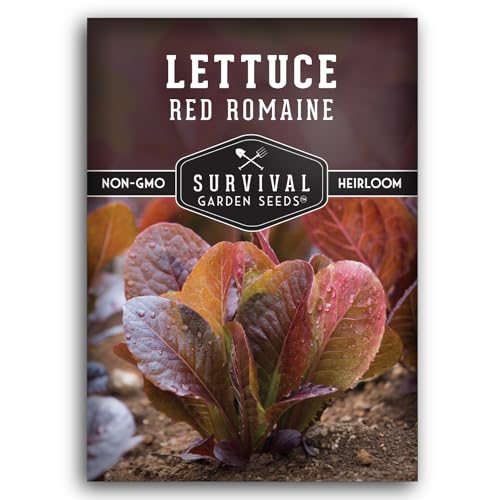
RED ROMAINE SEEDS FOR PLANTING – Striking lettuce has burgundy-to-ruby red leaves with crisp green hearts create a bold contrast in the garden and add vibrant color and flavor to Caesar salad and other dishes
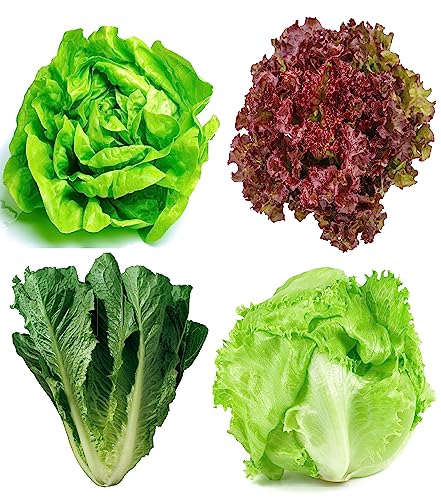
🌿 4 Distinct Heirloom Varieties Includes Iceberg, Buttercrunch, Romaine & Lollo Rosso for a complete salad garden with diverse textures, colors & flavors.
Leaf Lettuce Varieties
Leaf lettuce varieties, such as romaine, butterhead, and loose-leaf, are popular choices for home gardens.
- Romaine: This type provides crisp, upright leaves rich in nutrients. It’s great for salads and sandwiches.
- Butterhead: Known for its tender, buttery leaves, butterhead lettuce has a mild flavor. It grows well in cooler temperatures.
- Loose-Leaf: This variety features delicate leaves that come in various colors. It’s quick to grow and allows for multiple harvests, as you can pick outer leaves while the inner ones continue to thrive.
Head Lettuce Varieties
Head lettuce varieties, including iceberg and bibb, form compact heads, making them suitable for specific culinary uses.
- Iceberg: Frequently found in grocery stores, iceberg lettuce has a crisp texture. It’s ideal for crunchy salads and garnishes.
- Bibb: This variety offers a soft, tender heart and a sweeter taste. It’s perfect for salads and can create an elegant presentation on platters.
Choosing the right lettuce type depends on your personal tastes and growing conditions. By understanding these categories, you can enjoy a diverse harvest throughout the growing season.
When to Harvest Lettuce
Knowing when to harvest lettuce ensures you enjoy the best flavor and texture. Several factors, including the type of lettuce and environmental conditions, influence this timing.
Signs of Readiness
Look for several signs that indicate your lettuce is ready for harvest:
- Size: Depending on the variety, lettuce heads should reach a specific size. For example, romaine can reach about 8 to 10 inches tall, while butterhead is typically smaller.
- Color: Notice vibrant, rich colors. Leaf lettuce should appear bright green, while some varieties may show hints of red or purple.
- Texture: Gently squeeze the leaves. Fresh, crisp leaves indicate readiness, while limp or wilted ones suggest it’s not time yet.
- Flowering: If you see flower buds, the lettuce is bolting. Harvest immediately to prevent bitterness.
Optimal Time of Day for Harvesting
Harvest lettuce in the morning for the best flavor and texture. Cooler temperatures in the morning keep leaves crisp. Aim to gather your harvest before the sun heats up, which helps reduce wilting. Avoid harvesting during the hottest part of the day or right after rainfall, as wet leaves can lead to spoilage.
By following these guidelines, you ensure your lettuce harvest is optimal and enjoyable.
Tools Needed for Harvesting
Harvesting lettuce requires some essential tools to ensure a smooth and efficient process. Using the right equipment makes the task easier and helps keep your lettuce healthy and fresh.
Basic Tools
- Garden Scissors or Shears: Use sharp scissors or shears to cut the lettuce stems cleanly. This method minimizes damage and prevents browning.
- Basket or Container: Select a shallow basket or container to collect harvested lettuce. This prevents crushing leaves and helps maintain quality.
- Garden Gloves: Wearing gloves protects your hands from dirt and irritants while handling plants. Choose breathable materials for comfort.
- Trowel or Spade: Use a trowel or small spade for lifting entire heads of lettuce when harvesting varieties that grow as heads.
- Harvesting Knife: A specialized knife can speed up the process, especially for larger quantities. Choose a serrated knife for better slicing through tough stems.
- Kneeling Pad: If you plan to kneel while harvesting, a kneeling pad provides comfort and support, allowing you to work longer without straining your knees.
- Water Spray Bottle: Mist your lettuce leaves lightly before harvesting to keep them hydrated, enhancing freshness and flavor.
- Garden Cart: A garden cart helps transport harvested lettuce easily, especially if you’ve collected a large amount or if your garden is spacious.
With the right tools at hand, your lettuce harvesting experience becomes efficient, straightforward, and enjoyable.
Step-by-Step Harvesting Process
Harvesting lettuce requires careful attention to detail. Follow these steps for a successful experience.
Preparing for Harvest
Ensure you’re ready before beginning the process. Gather the necessary tools: garden scissors or shears, a basket or container for your harvest, and a trowel or spade for loosening soil if needed. Dress in garden gloves to protect your hands. Check the weather forecast to avoid harvesting during rain; wet leaves can spoil quickly. Ensure you survey your garden and identify which lettuce varieties are ready, noting the fullness and color.
Cutting Techniques
Observe the best techniques for cutting lettuce. Use garden scissors or shears for clean cuts. For leaf varieties, snip leaves near the base. Avoid cutting too close to the crown to allow for potential regrowth. For head lettuce, cut the entire head at the base, ensuring you take enough of the stem to prevent damage. Cut in the early morning or late afternoon for optimal crispness.
Handling the Harvest
Handle the harvested lettuce gently to maintain quality. Place your cut lettuce in a basket or container without overcrowding. If you notice any dirt on the leaves, use a water spray bottle to clean them lightly before storing. Store the lettuce in a cool, shaded spot until you’re ready to process it further. Avoid direct sunlight to prevent wilting. If you plan to store your harvest, keep it in the refrigerator to extend freshness.
Storing Harvested Lettuce
Storing harvested lettuce properly ensures crispness and freshness. Follow these guidelines for optimal results.
Best Practices for Storage
- Cool Immediately: Place harvested lettuce in a cooler or refrigerator as soon as possible to maintain freshness.
- Wash Before Storing: Rinse lettuce with cool water to remove dirt. Spin excess water off in a salad spinner or pat dry with paper towels.
- Use Appropriate Containers: Store lettuce in breathable containers like perforated plastic bags or containers lined with a paper towel. This helps absorb excess moisture and allows airflow.
- Keep Humidity in Check: Ideally, maintain humidity levels around 95% while avoiding water accumulation, which can lead to rot.
- Romaine Lettuce: Stays fresh for 7 to 10 days when stored correctly.
- Butterhead Lettuce: Typically lasts about 5 to 7 days in ideal conditions.
- Iceberg Lettuce: Can remain fresh for up to 2 weeks, thanks to its dense structure.
Check for signs of wilting or browning. When detecting these, use the lettuce right away or discard it to prevent spoilage of other greens.
Conclusion
Harvesting your lettuce can be a rewarding experience that adds freshness to your meals. By following the right techniques and timing you’ll enjoy crisp and delicious greens straight from your garden. Remember to handle your harvest with care to keep it at its best.
Storing your lettuce properly is just as important as harvesting it. With a little attention to detail you can extend its shelf life and enjoy it for days. So grab your tools and get ready to enjoy the fruits of your labor. Happy harvesting!
Frequently Asked Questions
When is the best time to harvest lettuce?
The best time to harvest lettuce is in the early morning or late afternoon. These times help ensure optimal crispness, as the temperatures are cooler and the moisture is retained, making the leaves fresher.
What tools do I need for harvesting lettuce?
You will need a sharp knife or garden scissors for cutting the lettuce. A basket or container is also recommended for collecting the harvested leaves, and gloves can protect your hands and maintain cleanliness.
How do I know when lettuce is ready to harvest?
Lettuce is ready to harvest when the leaves are firm, crisp, and have reached the desired size. For head varieties, check that the head feels dense and solid. Signs of maturity vary slightly between different lettuce types, so familiarize yourself with each type.
How should I store harvested lettuce to keep it fresh?
To keep harvested lettuce fresh, cool it immediately, wash it gently, and store it in breathable containers. Additionally, monitor humidity levels and keep it in a cool, shaded place to prevent wilting.
How long does each type of lettuce last when stored properly?
Romaine lettuce can last 7 to 10 days, butterhead lasts 5 to 7 days, and iceberg can be stored for up to 2 weeks. Proper storage techniques are essential for maximizing freshness and crispness.
What are the signs that harvested lettuce is spoiling?
Signs of spoiling lettuce include wilting, browning, and slimy texture. If you notice any of these signs, it’s important to use or discard the affected leaves to prevent further waste.
