

Have you ever thought about growing your own lettuce but didn’t know where to start? You’re not alone. Many people want to enjoy fresh, crisp greens right from their backyard but feel overwhelmed by the process.
Key Takeaways
- Lettuce Varieties Matter: Familiarize yourself with different lettuce types, such as Butterhead, Romaine, and Leaf lettuce, to select the best options for your garden based on climate and desired flavors.
- Soil Preparation Is Key: Use well-draining, loamy soil with a pH between 6.0 and 7.0, enriched with organic matter, to create an ideal growing environment for lettuce plants.
- Optimal Planting Techniques: Plant lettuce seeds in early spring or late summer, ensuring proper spacing (1/4 to 1/2 inch deep) and regular watering for successful germination and growth.
- Consistent Care Required: Keep lettuce plants well-watered (1-2 inches per week) and fertilize every 4-6 weeks to promote healthy growth and prevent nutrient deficiencies.
- Pest Management: Regularly inspect your plants for pests like aphids and slugs, using organic solutions such as insecticidal soap or neem oil to manage them effectively.
- Harvesting Tips: Recognize signs of maturity, such as full-sized, vibrant leaves, and employ proper harvesting techniques to maximize freshness and extend shelf life.
Understanding Lettuce Varieties
Knowing the various types of lettuce helps you choose the right one for your garden. Each variety offers unique flavors and textures. Here’s a closer look at three popular lettuce types.
Butterhead Lettuce
Butterhead lettuce, known for its soft, buttery leaves, has a mild flavor. This variety thrives in cool temperatures, making spring and fall ideal seasons for planting. Space plants about 10-12 inches apart to allow for proper growth. Harvest individual leaves or cut the entire head when it reaches maturity, usually in 50-60 days.
Romaine Lettuce
Romaine lettuce features elongated leaves with a crisp texture. It stands up well to heat, so you can grow it in summer months. Plant seeds 12 inches apart to ensure healthy growth. The harvest period is approximately 70-75 days. You can harvest outer leaves for continuous growth or the whole head once it’s fully formed.
Leaf Lettuce
Leaf lettuce includes a wide range of leafy varieties, ideal for quick harvests. It grows well in various climates and is particularly suited for early spring gardening. Space your plants about 6-12 inches apart. You can start harvesting in just 30-45 days by picking the outer leaves, allowing the center to continue producing new foliage.
Understanding these varieties can enhance your gardening experience, making it easier to enjoy fresh, homegrown lettuce.
Preparing the Soil
Preparing your soil sets the foundation for healthy lettuce growth. Good soil ensures that your plants receive adequate nutrients and promote strong root systems.
Recommended Products

Quick, at home results for Soil pH, Nitrogen, Phosphorous and Potash Innovative and inexpensive soil test kit features an easy-to-use capsule system and patented color comparators

Accurate Soil pH Testing: Dewildetradingco Soil pH Test Strips offer measurements of soil pH levels (pH 3.5-9). As an essential tool for every gardener and grower, these test strips help determine the optimal pH for various plants, such as outdoor plants, indoor plants, gardens, grass lawns, fruit trees, flowers, vegetables, and forest shrubs.

Kindly NOTE: This soil tester can not be applied to test pH value of any other liquid. If the soil is too dry the indicator will not move, and water it before testing.
Soil Type and pH
Choose well-draining, loamy soil for optimal lettuce growth. Soil texture affects water retention and nutrient availability. Check the pH level; lettuce thrives in slightly acidic to neutral soil, ideally between 6.0 and 7.0. You can use a home soil test kit to measure pH accurately. If the pH is too low, add lime to raise it. If it’s too high, incorporate sulfur to lower it.
Nutrient Requirements
Lettuce plants require essential nutrients for robust growth. Primary nutrients include nitrogen, phosphorus, and potassium, along with micronutrients like magnesium and calcium.
- Nitrogen: Promotes leafy growth. Use organic fertilizers, like compost or well-rotted manure, which supply nitrogen and enhance soil health.
- Phosphorus: Supports root development. Look for fertilizers with balanced N-P-K ratios, focusing on the phosphorus content.
- Potassium: Improves overall plant function. Add wood ash or seaweed extracts to boost potassium without altering pH levels.
Before planting, enrich the soil by mixing in organic matter. Aim for a mixture that includes 25-30% compost. This combination will provide a nutrient-rich environment for your lettuce plants.
Planting Lettuce Seeds
Planting lettuce seeds requires careful timing and techniques for success. Follow these guidelines to ensure optimal growth.
Recommended Products
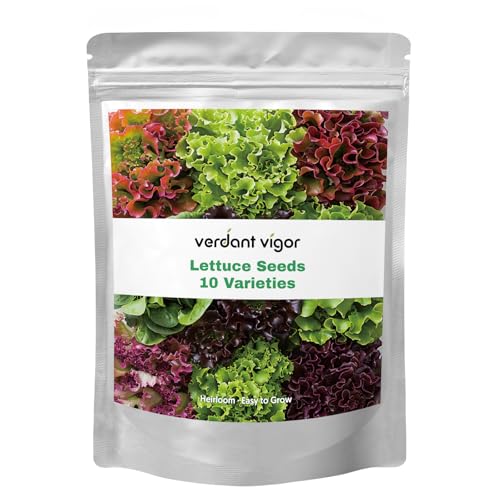
Healthy Food Source: Because of its tender flavor, lettuce is a popular vegetable for salad, sandwiches, wraps, soups, stir-fries and juice. There are over 20,000 seeds, 10 kinds of lettuce collection, including bibb, boston, iceberg, buttercrunch, grand rapids TBR, oakleaf, ruby leaf, cimmaron romaine and waldmann's

Complete Lettuce Garden Starter Kit Indoor – 5 heirloom salad and green seed packets, 8 biodegradable soil disks, 8 plant markers, and 8 starter pots. Romaine, Spinach, Arugula, Kale and Buttercrunch lettuce heirloom seeds are the star of the set!

EASIER SEED STARTING: Our Burpee SuperSeed tray with 8 extra-large flexible pop-out cells is designed to simplify indoor seed starting. Just add seed starting mix, seeds, water and light to get growing! Perfectly sized for starting seeds in the windowsill: 11.5" x 5-3/16" x 2-1/4". Rows are labeled alphanumerically for seedling identification with included Plant-o-Gram diagram.
When to Plant
Plant lettuce seeds in early spring or late summer for the best results. Soil temperatures between 45°F and 65°F (7°C to 18°C) promote germination. In most regions, aim to plant seeds about 2 to 4 weeks before the last frost. For a continuous harvest, sow seeds every two weeks until the end of summer.
- Prepare Rows or Containers: Create rows spaced about 12 inches apart in the garden or use containers filled with well-draining potting mix.
- Sow Seeds: Plant seeds about 1/4 to 1/2 inch deep. Disperse seeds evenly and lightly cover with soil.
- Water Gently: Use a fine mist to moisten the soil, avoiding waterlogged conditions. Keep the soil consistently damp but not saturated.
- Thin Seedlings: Once seedlings are 2 to 3 inches tall, thin them to about 6 to 12 inches apart to allow space for growth.
- Monitor Conditions: Keep an eye on temperature and moisture levels. Provide shade during extreme heat and protect from late frost.
Adopting these techniques helps ensure healthy lettuce plants that thrive in your garden.
Care and Maintenance
Caring for lettuce plants ensures healthy growth and tasty yields. Pay attention to watering, fertilization, and pest management for the best results.
Recommended Products
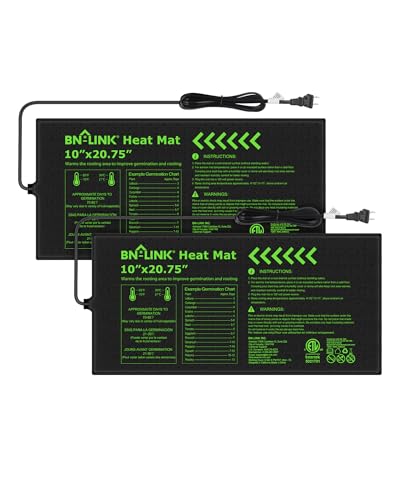
IDEAL GERMINATION TEMPERATURE: The BN-LINK seedling heat mats for seed starting helps maintain temperatures around 70°F to 85°F, the optimal range for seed germination, cutting propagation, and healthy seedling growth. Achieve faster germination and higher growth rates with seed heating mat.

Reliable Results: The VIVOSUN professional heat mat maintains optimal temperatures around 68-86℉ (20-30℃), perfect for Seedling start and cutting propagation; Made from durable PVC material, it's designed to last

Reliable Results: The VIVOSUN professional heat mat maintains optimal temperatures around 68-86℉ (20-30℃), perfect for Seedling start and cutting propagation; Made from durable PVC material, it's designed to last
Watering Needs
Water lettuce regularly, aiming for consistent moisture in the soil. Aim for about 1 to 2 inches of water each week, either from rainfall or irrigation. Water early in the morning or late in the afternoon to reduce evaporation. Check the soil by sticking your finger about an inch deep; if it feels dry, it’s time to water. Avoid soggy soil, as excess moisture can lead to root rot.
Fertilization Strategies
Fertilize lettuce every 4 to 6 weeks using a balanced, organic fertilizer. Look for options with equal parts nitrogen, phosphorus, and potassium, like a 10-10-10 mix. Consider adding compost during planting to enrich the soil. When applying fertilizer, sprinkle it around the base of the plants, then water it in to help it absorb. Monitor the plant’s growth; if leaves appear yellow, it may indicate a nitrogen deficiency.
Pest and Disease Management
Manage pests and diseases by regularly inspecting your lettuce plants. Common pests include aphids, slugs, and caterpillars, which can damage leaves. Use insecticidal soap or neem oil to deter these insects. Establish a routine, checking your plants weekly for signs of trouble. Rotate crops annually to prevent soil-borne diseases, and ensure good air circulation by spacing plants appropriately. If disease strikes, remove infected leaves immediately to prevent spread.
Harvesting Lettuce
Harvesting lettuce occurs when the plants reach maturity and are ready to enjoy. Understanding when and how to harvest maximizes the freshness and flavor of your lettuce.
Signs of Maturity
Identify the signs of maturity to determine the right time to harvest. Look for the following indicators:
- Leaf Size: Leaves should be full-sized and crisp.
- Color: Lush, vibrant green indicates readiness.
- Texture: Leaves should feel firm but tender, not wilted.
- Head Formation: For headed varieties, heads should feel solid when gently squeezed.
Typically, lettuce reaches full maturity within 30 to 70 days, depending on the variety. Monitor your plants closely as they approach this timeline.
Harvesting Techniques
Use effective techniques to harvest your lettuce without damaging the plants. Follow these steps:
- Select the Right Time: Harvest in the morning for optimal crispness.
- Use Sharp Tools: A sharp knife or shears works best for clean cuts.
- Cutting Methods:
- For loose-leaf varieties, cut the outer leaves about 1-2 inches above the soil. This method allows the inner leaves to continue growing.
- For heading varieties, cut the entire head at the base just above the soil line.
- Handle Gently: Avoid bruising the leaves during the harvesting process.
- Wash Immediately: Rinse harvested lettuce with cool water to remove soil and insects.
Storing freshly harvested lettuce in a cool, dark place or refrigerator ensures crispness and prolongs its shelf life.
Conclusion
Growing lettuce can be a rewarding experience that adds freshness to your meals. By selecting the right varieties and providing the proper care you can enjoy a bountiful harvest. Remember to keep an eye on your plants as they grow and respond to their needs.
When it’s time to harvest don’t rush it. Take the time to assess your lettuce and choose the perfect moment for picking. With a little patience and attention you’ll have delicious, homegrown lettuce ready to enjoy. Happy gardening!
Frequently Asked Questions
What are the best lettuce varieties to grow?
The best lettuce varieties depend on your climate and preference. Common choices include Romaine, Butterhead, and Leaf Lettuce. Romaine is great for summer, while Butterhead thrives in cooler months. Leaf lettuce offers a variety of textures and flavors, making it ideal for salads.
How should I prepare my soil for growing lettuce?
To prepare soil for lettuce, focus on texture, pH, and nutrients. Ideally, lettuce prefers loamy, well-draining soil with a pH of 6.0 to 6.8. Incorporating organic fertilizers and compost enriches the soil, providing essential nutrients for healthy growth.
When is the best time to plant lettuce seeds?
Lettuce seeds should be planted in early spring or late summer, depending on your region. Aim for cool weather, as lettuce thrives in temperatures between 60-70°F. Stagger planting every few weeks for continuous harvests.
How can I care for my lettuce plants?
Care for lettuce by watering regularly, ensuring the soil remains consistently moist but not soggy. Use balanced organic fertilizers to support growth and keep an eye out for pests and diseases. Prompt action can prevent potential damage.
When is the right time to harvest lettuce?
Lettuce is ready to harvest when leaves have reached a desirable size and the color and texture are appealing. Typically, varieties mature in 30 to 70 days. Harvesting at the right time ensures the best flavor and quality.
What are the proper harvesting techniques for lettuce?
Use sharp tools to cut lettuce cleanly at the base, avoiding damage to the plant. For loose-leaf varieties, pick outer leaves, allowing the inner ones to keep growing. Harvest early in the morning to maintain crispness.
How should I store harvested lettuce?
After harvesting, wash the lettuce gently and pat it dry. Store it in a cool, dark place or refrigerate in a breathable container. Keeping lettuce in a damp paper towel or in a sealed bag can help prolong its freshness and crispness.
