

Have you ever thought about growing your own fresh lettuce but felt short on space? You’re not alone. Many people want to enjoy homegrown greens but struggle with limited garden areas. The good news is that you can easily grow lettuce in a bucket, turning any small space into a mini garden.
Key Takeaways
- Space Efficiency: Growing lettuce in a bucket maximizes limited gardening space, making it ideal for balconies or patios.
- Choosing the Right Bucket: Select a 5-gallon bucket with proper drainage to ensure healthy root development and prevent waterlogging.
- Soil and Sunlight Conditions: Use high-quality potting soil mixed with compost, and place the bucket in a location that receives 6-8 hours of sunlight daily.
- Regular Maintenance: Monitor soil moisture carefully and fertilize with a balanced fertilizer every 2-4 weeks for optimal growth.
- Accessibility: Buckets allow for easy access and mobility, reducing strain during planting and harvesting tasks.
Can You Grow Lettuce in a Bucket?
Yes, you can grow lettuce in a bucket. This method provides the perfect solution for those with limited garden space. Follow these steps to start your mini lettuce garden.
Choose the Right Bucket
- Select a bucket that’s at least 5 gallons. This size allows enough room for roots to grow.
- Ensure the bucket has drainage holes at the bottom. This prevents waterlogging.
Prepare the Soil
- Use high-quality potting soil, ideal for container gardening.
- Mix in compost for added nutrients.
Planting Lettuce Seeds
- Scatter the seeds on the surface of the soil.
- Cover them lightly with soil, about 1/4 inch deep.
- Water the seeds gently to avoid washing them away.
Watering
- Water the bucket regularly but avoid overwatering.
- The top inch of soil should stay moist but not soggy.
Location
- Place the bucket in a sunny spot. Lettuce needs around 6 to 8 hours of sunlight daily.
- If temperatures exceed 75°F, consider partial shade to prevent bolting.
Maintenance
- Thin seedlings to allow space between them. Aim for about 6 inches apart for optimal growth.
- Harvest leaves as they reach 4 to 6 inches. This encourages new growth.
- Watch for pests like aphids or snails. Use insecticidal soap or natural solutions.
- Inspect for diseases such as downy mildew. Good air circulation helps prevent this.
Growing lettuce in a bucket is not only practical; it’s also enjoyable. With these steps, you can enjoy fresh, homegrown lettuce right from your mini garden.
Benefits of Growing Lettuce in a Bucket
Growing lettuce in a bucket offers numerous advantages that enhance your gardening experience. Here are some key benefits.
Space Efficiency
Using a bucket for lettuce maximizes limited gardening space. You’ll fit one or more buckets in small areas, such as balconies, patios, or even indoors. Each bucket can hold several lettuce plants, allowing for a bountiful harvest despite constraints. You’ll effectively utilize vertical and horizontal space by arranging buckets at different heights.
Accessibility
Buckets make gardening more accessible for everyone. You can place buckets at a comfortable height, reducing strain on your back and knees. If mobility is an issue, you can easily move buckets to sunny spots or sheltered areas. Moreover, harvesting fresh lettuce becomes a breeze, as you can simply retrieve your lettuce without bending down.
Choosing the Right Bucket
Selecting the right bucket is crucial for growing lettuce effectively. A suitable bucket provides the necessary space and conditions for healthy growth.
Recommended Products

✅ 【Preminum Food Grade Oxygen Absorbers】: Our factory have 18 years experience in oxygen absorber, Also we have ISO9001 Certificate, All our oxygen absorbers are preminum food grade material and tested under strict food regulation, Very safe to be used with foods and pharmaceuticals storage.

Made To Handle More: Tackle bulk storage with a plastic bucket and airtight gasketed tear strip lid made from sturdy 90 mil HDPE plastic. It’s a dependable pick for pantry staples, utility use, and everyday organization when lightweight containers won’t cut it.

Airtight Storage, Simplified: Upgrade everyday organization with this 3.5 gallon bucket and lid, featuring a matching screw-on seal that helps keep contents dry and protected. Ideal for dry goods, pet food, or supplies needing mess-free storage.
Size and Material
Choose a bucket that holds at least 5 gallons of soil. This size accommodates adequate root development. Avoid plastic buckets with a glossy finish. Opt for food-grade plastic or other non-toxic materials to ensure safety. Galvanized metal buckets work too, but they can heat up quickly in direct sunlight. Consider lightweight materials for easy movement. Opt for a bucket that’s at least 12 inches deep to allow the lettuce roots to grow properly.
Drainage Considerations
Ensure your bucket has proper drainage. Lack of drainage can lead to root rot. Drill several holes in the bottom if necessary. Holes should be about half an inch wide and spaced evenly. Cover the holes with mesh or small stones to prevent soil from escaping. This setup helps excess water flow out but keeps the soil intact. Monitor moisture levels to make sure the lettuce doesn’t become waterlogged.
Growing Conditions for Lettuce
Growing lettuce in a bucket requires specific conditions to thrive. Focus on soil quality and sunlight exposure to ensure healthy plants.
Recommended Products

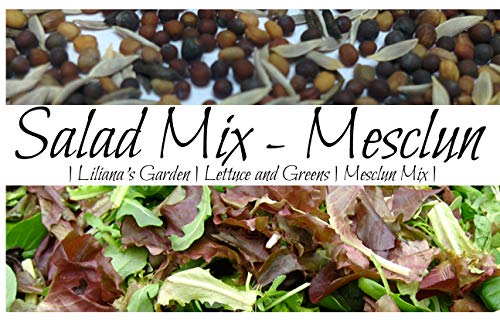
Yields and average of 180 salad leaf plants including varieties of arugula, endive, mustard greens, and more. Yields roughly 32 lbs of mature greens after just a full growing season, 40 days for baby greens.

Soil Requirements
Soil for growing lettuce needs to be well-draining and rich in nutrients. Use a mix of potting soil and compost to create a fertile environment.
- Select a High-Quality Potting Mix: Choose a mix designed for container gardening. This helps retain moisture while allowing excess water to escape.
- Add Organic Matter: Incorporate compost or well-rotted manure to boost nutrition. Aim for about 20-30% compost in your mix.
- Test pH Levels: Ensure the soil pH is between 6.0 and 7.0. You can use a soil testing kit to check this easily.
- Mix in Perlite or Vermiculite: These materials improve aeration and drainage. Add about 10% of either to your potting mix.
Sunlight Needs
Lettuce thrives with the right amount of sunlight. Position your bucket where it receives optimal light for growth.
- Aim for 12-14 Hours of Sunlight Daily: Place your bucket in a spot that gets full sun, especially in cooler months. During hot summer days, consider partial shade to prevent bolting.
- Rotate Your Bucket: Turn your bucket periodically to ensure all sides receive equal sunlight. This promotes even growth.
- Use a Grow Light Indoors: If you’re growing indoors, use a full-spectrum grow light for 12-16 hours a day to mimic natural sunlight.
By providing the right soil conditions and sufficient sunlight, you create an ideal environment for your lettuce to flourish.
Care and Maintenance
Caring for bucket-grown lettuce involves regular attention to watering and fertilization. By following some straightforward guidelines, you can ensure your lettuce thrives.
Watering Tips
Watering plays a crucial role in lettuce health. Check the soil moisture daily. When the top inch of soil feels dry, it’s time to water. Avoid overwatering, as soggy roots can lead to rot. Use room-temperature water to prevent shocking the plant. Consider installing a simple drip irrigation system for consistent moisture.
Fertilization
Fertilizing supports robust growth and helps your lettuce reach its full potential. Use a balanced, water-soluble fertilizer every two to four weeks during the growing season. Dilute the fertilizer to half-strength to avoid nutrient burn. Focus on fertilizers high in nitrogen, which promotes leafy growth. If using organic options, consider compost tea or fish emulsion for a natural boost. Apply nutrients after watering to reduce any risk of root damage.
Conclusion
Growing lettuce in a bucket is a fun and rewarding project that can fit into any space. With the right care and attention you can enjoy fresh greens right from your own home. Remember to keep an eye on sunlight moisture and soil quality to ensure your lettuce thrives.
Don’t hesitate to experiment with different varieties and growing techniques. You’ll likely find your own rhythm and preferences as you go along. Enjoy the process and relish the satisfaction of harvesting your own delicious lettuce. Happy gardening!
Frequently Asked Questions
How do I select the right bucket for growing lettuce?
Choose a bucket that is at least 5 gallons in size with a wide opening to allow for proper growth. Ensure it is food-safe and features drainage holes to prevent waterlogging.
What type of soil is best for growing lettuce in a bucket?
Use a well-draining potting mix enriched with compost. Ensure the soil’s pH is between 6.0 and 7.0, and consider adding perlite or vermiculite for better aeration.
How much sunlight does lettuce need when grown in a bucket?
Lettuce requires 12-14 hours of sunlight daily. If grown indoors, rotate the bucket regularly and use grow lights to supplement natural light.
How often should I water my bucket-grown lettuce?
Check the soil moisture daily. Water when the top inch of soil feels dry, ensuring not to overwater, as this can lead to root rot.
What fertilization practices should I follow for lettuce in a bucket?
Use a balanced, water-soluble fertilizer every two to four weeks, diluting it to half-strength. Opt for nitrogen-rich fertilizers, and consider organic options like compost tea for added nutrients.
