

Ever wondered how to grow your own crunchy cucumbers right in your backyard? Picture this: you’re craving a fresh, juicy cucumber for your salad, but the store-bought ones just don’t cut it. What if you could step outside and pluck one straight from your garden? Exciting, right?
Selecting the Right Seeds
When planting cucumbers, choosing the right seeds is crucial. Consider these key factors before making a decision:
- Opt for disease-resistant varieties to ensure a healthy crop.
- Select seeds that are suited to your climate for the best results.
- Look for certified organic seeds if you prefer an organic approach.
Remember, quality seeds are the foundation of a successful cucumber harvest.
Recommended Products

200 PREMIUM SEEDS: Comes with 200 high-quality Marketmore cucumber seeds, trusted for excellent germination, vigorous vines, and consistent production of smooth, dark-green fruits.

🥒 Premium Hybrid Variety: Grow China Long cucumbers (Cucumis sativus), an F1 hybrid known for long, crisp, thin-skinned fruits perfect for slicing, salads, and pickling.

USDA Certified Organic by ECOCERT
Choosing the Perfect Location
When planting cucumber seeds, selecting the right location is crucial for their growth and development. Here are some tips to help you choose the perfect spot for your cucumber plants:
- Sunlight: Cucumbers thrive in full sunlight, so pick a spot in your garden that receives at least 6-8 hours of direct sunlight each day.
- Soil: Ensure the soil is well-draining and rich in organic matter. Cucumbers prefer slightly acidic soil with a pH level between 6.0 and 7.0.
- Space: Cucumber plants require room to spread out, so make sure to plant them where they have enough space to grow. Consider using a trellis or vertical support to save space.
- Protection: Choose a location that is protected from strong winds to prevent damage to the delicate vines. You can also consider planting them near a fence or wall for added protection.
- Water: Select an area that is easy to water regularly. Cucumbers need consistent moisture to thrive, so ensure they are planted in a spot where watering is convenient.
By carefully choosing the right location for your cucumber plants, you are setting them up for success and a bountiful harvest.
Preparing the Soil
- Loosen the Soil: It’s important for the soil to be loose to allow roots to grow easily.
- Remove Weeds: Get rid of any weeds that may compete with your cucumber plants for nutrients.
- Add Organic Matter: Consider mixing in compost or well-rotted manure to enrich the soil.
- Check the pH Levels: Cucumbers prefer slightly acidic soil with a pH around 6 to 7.
| Optimal pH Level for Cucumbers |
|---|
| 6 – 7 |
Recommended Products

Quick, at home results for Soil pH, Nitrogen, Phosphorous and Potash Innovative and inexpensive soil test kit features an easy-to-use capsule system and patented color comparators

Kindly NOTE: This soil tester can not be applied to test pH value of any other liquid. If the soil is too dry the indicator will not move, and water it before testing.

KNOW BEFORE YOU GROW | Grow the healthiest, sustainable lawn and garden with the most accurate and easy to use professional soil test kit on the market
Planting the Cucumber Seeds
When planting cucumber seeds, here’s a step-by-step guide to help you get started:
- Seed Selection:
- Choose high-quality cucumber seeds from a reputable supplier for better germination rates.
- Planting Depth:
- Plant seeds about 1 inch deep in the soil for optimal growth.
- Spacing:
- Space seeds about 6 inches apart to provide enough room for the plants to grow.
- Watering:
- Keep the soil consistently moist but not waterlogged to promote germination.
- Sunlight:
- Ensure your cucumber plants receive 6-8 hours of sunlight daily for healthy growth.
- Temperature:
- Plant cucumber seeds when the soil temperature is around 70°F for best results.
- Support:
- Consider using trellises or stakes to support the cucumber plants as they grow.
- Mulching:
- Mulch around the plants to retain moisture and prevent weed growth.
- Fertilization:
- Avoid over-fertilizing, as cucumbers are sensitive to excess nutrients.
Following these steps will help you plant cucumber seeds successfully and grow healthy plants.
Caring for Your Cucumber Plants
Growing healthy cucumber plants requires consistent care and attention. Here are some essential tips to ensure your cucumber plants thrive:
- Watering: Keep the soil consistently moist, especially during dry periods. Water the plants at the base to avoid wetting the leaves.
- Fertilizing: Use a balanced fertilizer at half-strength once a month to provide essential nutrients for robust growth.
- Pruning: Regularly prune off any damaged or diseased leaves to promote air circulation and prevent the spread of diseases.
- Pest Control: Monitor your plants for common pests like aphids and cucumber beetles. Consider using natural remedies or insecticidal soap to protect your plants.
- Harvesting: Harvest your cucumbers regularly to encourage more fruit production. Pick them when they are firm and green for the best flavor.
- Support: Provide adequate support for your cucumber plants using trellises or cages to keep the vines off the ground and prevent fruit rot.
| Optimal Growing Conditions |
|---|
| Average Temperature: 70°F |
| Spacing: 6 inches apart |
| Sunlight: Full sun exposure |
By following these care tips, you’ll be on your way to enjoying a bountiful cucumber harvest in your garden.
Recommended Products
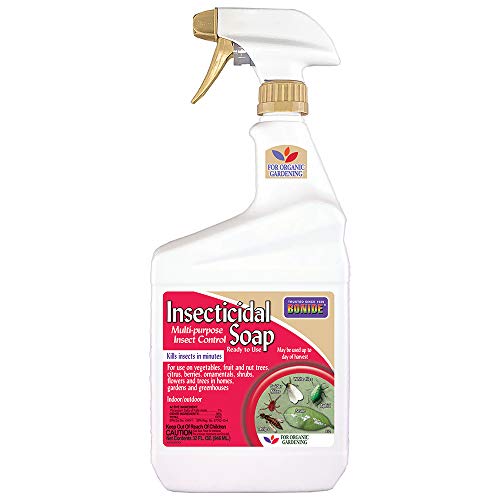
Captain Jack's Insecticidal Super Soap controls species of adelgid, ant, aphid, borer, caterpillar, spider mite, cricket, chinch bug, weevil, fly, thrip, and more

READY-TO-USE CONTACT SPRAY: No mixing required. Thoroughly spray insecticide on all plant parts, including the underside of leaves. Pests must be sprayed directly to achieve control
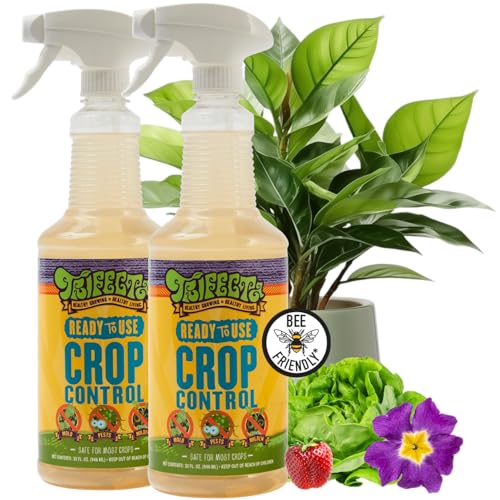
CROP, GARDEN & HOUSEPLANT INSECT CONTROL. Trifecta Crop Control plant based formula targets spider mites, aphids, whiteflies, fungus gnats and other soft bodied pests on indoor and outdoor plants. Safe for edible crops and biodegradable.
Conclusion
You now have all the essential care tips for growing healthy cucumber plants. By maintaining consistent soil moisture, using balanced fertilizer monthly, pruning damaged leaves, monitoring pests, harvesting regularly, and providing support with trellises, you’re on your way to a successful harvest. Remember the importance of optimal growing conditions like temperature, spacing, and sunlight exposure. Following these guidelines will ensure your cucumber plants thrive and produce an abundance of fresh cucumbers for you to enjoy. Happy planting!
Frequently Asked Questions
1. How often should I water my cucumber plants?
Water your cucumber plants consistently to keep the soil evenly moist. Depending on the weather, you may need to water every 1-2 days, ensuring that the soil is not waterlogged.
2. How frequently should I use fertilizer on my cucumber plants?
Apply a balanced fertilizer to your cucumber plants monthly to provide them with essential nutrients for healthy growth and fruit production.
3. Should I prune damaged leaves on my cucumber plants?
Yes, prune any damaged or diseased leaves on your cucumber plants to promote airflow and prevent the spread of diseases.
4. How can I control pests on my cucumber plants?
Monitor your cucumber plants regularly for pests and use appropriate pest control methods like neem oil or insecticidal soap to keep them at bay.
5. When should I harvest cucumbers from my plants?
Harvest cucumbers regularly once they reach the desired size, typically every 2-3 days, to encourage continuous fruit production.
6. Do cucumber plants need support with trellises?
Yes, provide support to your cucumber plants with trellises or other structures to help them grow vertically, save space, and prevent fruits from rotting on the ground.
7. What are the optimal growing conditions for cucumber plants?
Cucumber plants thrive in average temperatures around 70-75°F, require spacing of 12-18 inches between plants, and prefer full sunlight exposure for at least 6-8 hours a day.
