

Tired of buying bland cucumbers from the store? Ever wondered how to grow your own crisp and juicy cucumbers right in your backyard? Imagine stepping outside and plucking fresh cucumbers for your salads and snacks.
Have you faced the disappointment of tasteless cucumbers that lack that garden-fresh flavor? Picture savoring cucumbers bursting with flavor, knowing you planted them yourself.
In this article, you’ll discover simple and practical steps to plant cucumbers successfully. Get ready to enjoy the satisfaction of harvesting your own homegrown cucumbers packed with flavor and nutrients.
Choosing the Right Cucumber Variety
When it comes to Choosing the Right Cucumber Variety, consider factors like your location, preferences, and growing conditions.
- Common Varieties:
- Pickling cucumbers: Ideal for homemade pickles.
- Slicing cucumbers: Perfect for fresh salads and snacking.
- Bush or Vine?:
- Bush cucumbers: Suitable for small spaces or containers.
- Vining cucumbers: Require more space to sprawl and grow.
- Climate Considerations:
- Short Season: Opt for varieties like ‘Early Pride’ or ‘Sumter’.
- Longer Season: Varieties such as ‘Marketmore 76’ or ‘Straight Eight’ thrive.
Selecting the Ideal Planting Location
When choosing where to plant your cucumbers, consider these key factors:
- Sunlight: Pick a spot with at least 6-8 hours of full sunlight daily.
- Soil: Opt for well-draining, rich soil with a pH level between 6.0-7.0.
- Space: Ensure there’s enough room for your cucumber plants to spread out, with 2-3 feet between each plant.
- Protection: Select a location shielded from strong winds to prevent damage to the delicate vines.
- Accessibility: Plant in an area that’s easy to access for watering, weeding, and harvesting.
Preparing the Soil for Planting
To get your cucumber plants off to a great start, it’s essential to prepare the soil properly. Here are some tips to help you with this crucial step:
- Test your soil: Before planting, consider conducting a soil test to determine its pH level and nutrient content. This will guide you on any amendments needed.
- Loosen the soil: Use a shovel or garden fork to loosen the soil to a depth of about 12 inches. This will help the roots penetrate easily and allow for better water absorption.
- Incorporate organic matter: Mix in compost or well-rotted manure to improve the soil’s structure and fertility. Aim for about 3 inches of organic matter.
- Ensure good drainage: Cucumbers prefer well-draining soil to prevent waterlogged conditions. If your soil tends to retain water, consider adding sand or perlite to improve drainage.
- Remove weeds: Be sure to clear the planting area of any weeds. Weeds can compete with your cucumber plants for nutrients and water.
Remember, healthy soil is the foundation for successful cucumber growth. By taking the time to prepare it properly, you’ll set your plants up for a bountiful harvest.
Planting Cucumber Seeds or Seedlings
You’re ready to get your cucumber plants in the ground – exciting times ahead!
- Choose Your Spot: find an area with full sun and well-drained soil.
- Sowing Seeds: plant seeds about 1 inch deep and 6 inches apart.
- Transplanting Seedlings: space them 12 inches apart in rows 3 feet apart.
- Proper Watering: keep soil consistently moist but not waterlogged.
- Mulching: add a layer of mulch to help with moisture retention and weed control.
- Support: consider using trellises or stakes to support your cucumber vines.
Recommended Products

Heirloom, early-maturing favorite: Heirloom favorite boston cucumber seeds mature in 55-60 days, producing sweet, crunchy 2-6 inch picklers on vigorous vines with high yields for your vegetable garden and home garden seed collection.

Graphene Seed Heat Mat for Faster Germination: Compared to traditional electric heating mats, our graphene heat mat heats up faster and more evenly, with a built-in timer for convenience. It creates the ideal environment for indoor seed starting trays, greenhouse seed germination, and hydroponic plant propagation. Designed for indoor gardening, this waterproof and reusable heat mat accelerates growth and improves seedling survival rates.
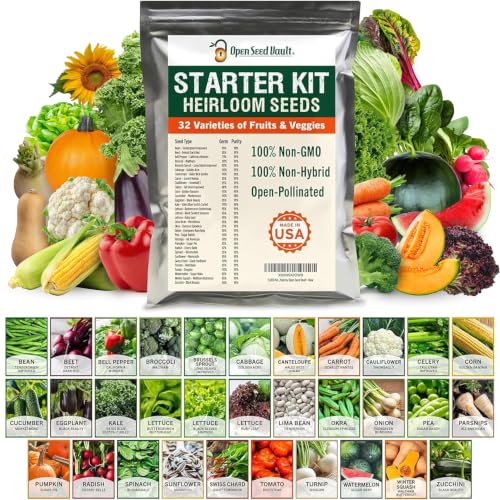
COMPLETE VEGETABLE GARDEN VARIETY PACK – Grow a thriving home garden with 32 popular vegetable seeds including Bean, Beet, Bell Pepper, Broccoli, Brussels Sprout, Cabbage, Cantaloupe, Carrot, Cauliflower, Celery, Corn, Cucumber, Eggplant, Kale, Lettuce (3 types), Lima Bean, Okra, Onion, Pea, Parsnip, Pumpkin, Radish, Spinach, Sunflower, Swiss Chard, Tomato, Turnip, Watermelon, Zucchini. A diverse mix perfect for fresh meals, backyard gardens, and sustainable growing.
Watering, Feeding, and Caring for Cucumber Plants
When it comes to caring for your cucumber plants, watering is crucial. Ensure the soil remains consistently moist, especially during the plant’s early growth stages. Water deeply to encourage strong root development.
Feeding your cucumber plants is essential for healthy growth and a generous harvest. Consider applying a balanced fertilizer when the plants begin to vine. This helps provide essential nutrients for optimum development.
To care for your cucumber plants effectively, regularly monitor for any signs of pest infestations or diseases. Inspect the leaves and vines for any abnormalities and take prompt action if needed to protect your plants.
A well-cared-for cucumber plant is more likely to produce an abundance of fresh cucumbers for you to enjoy. Consistent watering, proper feeding, and vigilant care are key to nurturing thriving cucumber plants.
Conclusion
Ensuring your cucumber plants receive adequate water, balanced fertilizer, and regular pest and disease checks is key to fostering their growth. By maintaining soil moisture, providing essential nutrients during vining stages, and promptly addressing any issues that arise, you set the stage for a bountiful cucumber harvest. Remember, consistent care is the foundation for healthy plants and abundant yields. Happy gardening!
Frequently Asked Questions
How often should I water my cucumber plants?
Water your cucumber plants consistently, aiming to keep the soil moist but not waterlogged. In general, it’s recommended to water them deeply around 1-2 inches per week, adjusting as needed based on weather conditions.
When should I fertilize my cucumber plants?
Fertilize your cucumber plants when they enter the vining stage. Use a balanced fertilizer to provide essential nutrients for healthy growth. Avoid over-fertilizing, as this can harm the plants.
How do I prevent pests and diseases on my cucumber plants?
Regularly monitor your cucumber plants for pests and diseases, such as aphids or powdery mildew. If detected, take prompt action using appropriate organic or chemical controls to protect your plants.
Why is proper care important for cucumber plants?
Proper care, including consistent watering, feeding, and vigilant pest and disease monitoring, is critical for nurturing healthy cucumber plants. These practices promote strong root development, optimal growth, and bountiful harvests.
