

Ever wondered how you can grow your own fresh, crunchy broccoli right in your backyard? Picture this: you step outside, pluck a vibrant broccoli head, and add it to your dinner plate. Exciting, right? In this article, you’ll discover the simple yet rewarding process of planting broccoli seeds.
Imagine having a bountiful harvest of nutrient-packed broccoli without the hassle of store-bought produce. By learning the art of planting broccoli seeds, you’re not only ensuring a fresh supply but also enjoying the satisfaction of nurturing your own garden. Ready to reap the benefits of homegrown goodness? Let’s dive into the world of planting broccoli seeds together.
Selecting the Right Seeds
When selecting broccoli seeds, ensure you choose reputable sources for quality assurance. Look for varieties suited to your growing conditions. Opt for organic seeds if you prioritize sustainability.
Consider the days to maturity information on seed packets. Early-maturing varieties typically take around 55-65 days. Standard types can take 65-85 days, while late-maturing ones may need 90 days or more.
Ensure the seeds are fresh for better germination rates. Store them in a cool, dry place away from sunlight. Check the seed viability by performing a germination test for accurate planting.
Look for heirloom broccoli seeds if you want to preserve traditional varieties. Hybrid seeds offer advantages like disease resistance and uniformity. Choose based on your gardening goals.
Remember, quality seeds are the foundation of a successful broccoli harvest. Invest time in researching and selecting the right seeds for your garden.
Recommended Products

GROW NUTRITIOUS BROCCOLI SPROUTS AT HOME: Enjoy vitamin-packed organic broccoli sprouts with Nature Jims' broccoli sprout seeds. Ideal for indoor and outdoor growing, these seeds for sprouting offer fresh, healthy sprouts in no time.
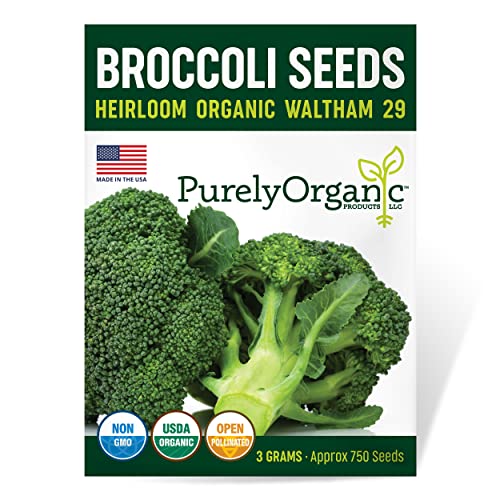
Brassica Oleracea Var. Italica: These finest quality, non-GMO, USDA Organic Waltham 29 Broccoli seeds produce crisp, crunchy, dark greenish-blue florets, leaves and stems that are packed with flavor and vitamins. They’re great on a plate!

Beautiful - Large premium packet of Waltham 29 Broccoli (Brassica oleracea) seeds. A reliable heirloom that produces 5-6" blue-green heads and an abundance of side shoots. Waltham 29 is adapted for both drought and cold tolerance. Minimum of 750 mg per packet (about 200 seeds).
Preparing the Planting Location
When prepping the planting location for your broccoli seeds, choose a spot in your garden that receives at least 6 hours of sunlight daily. Ensure the soil is well-draining to prevent waterlogged conditions that can harm young plants.
Clear the area of any debris, weeds, or rocks that may obstruct seed growth. Loosen the soil to a depth of about 12 inches to promote strong root development for your broccoli plants.
Consider conducting a soil test to check for nutrient levels and pH balance. Broccoli thrives in soil with a pH between 6.0 and 7.0. Amend the soil with organic matter like compost to improve its fertility.
For optimal growth, plant your broccoli seeds in raised beds or rows, allowing adequate spacing between plants to prevent overcrowding. Create trenches or furrows for planting, ensuring they are 2-3 inches deep.
Lastly, mark your planting areas with labels or stakes to keep track of where each type of broccoli seed is sown. This organization will help you monitor growth progress and address any issues that may arise.
Planting Broccoli Seeds
Recommended Products
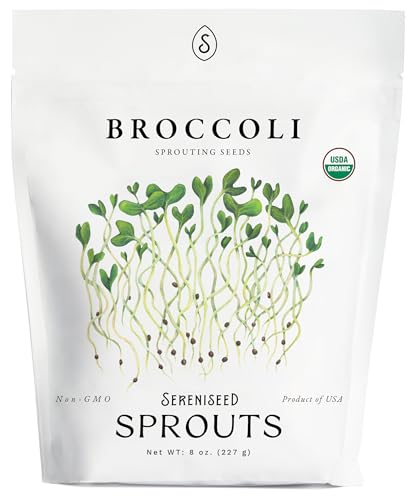
Tested quality. These broccoli sprouting seeds are grown in the USA, non-GMO, open pollinated, certified organic by Oregon Tilth, and tested for pathogens.

Complete Broccoli Sprout Growing Kit: This all-in-one sprouting kit includes 2 wide-mouth quart mason jars, 2 premium 304 stainless steel mesh lids, 2 blackout sleeves, 2 adjustable metal stands, 1 water drip tray, and 1 cleaning brush. No extra parts required — start growing fresh broccoli sprouts, alfalfa, mung beans, and other microgreens right on your kitchen countertop in just 3-5 days.
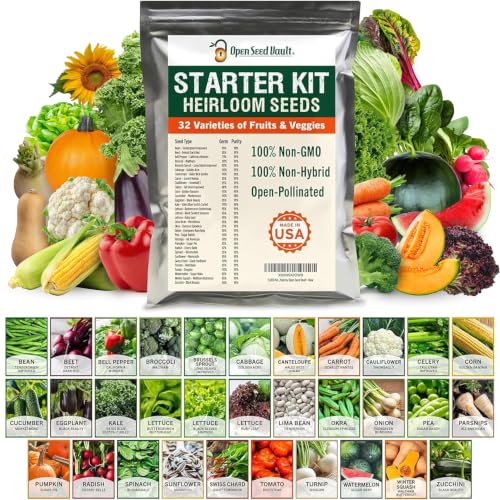
COMPLETE VEGETABLE GARDEN VARIETY PACK – Grow a thriving home garden with 32 popular vegetable seeds including Bean, Beet, Bell Pepper, Broccoli, Brussels Sprout, Cabbage, Cantaloupe, Carrot, Cauliflower, Celery, Corn, Cucumber, Eggplant, Kale, Lettuce (3 types), Lima Bean, Okra, Onion, Pea, Parsnip, Pumpkin, Radish, Spinach, Sunflower, Swiss Chard, Tomato, Turnip, Watermelon, Zucchini. A diverse mix perfect for fresh meals, backyard gardens, and sustainable growing.
Prepare the Seeds and Soil
- Soak broccoli seeds overnight in warm water to speed up germination.
- Sow seeds indoors 6-8 weeks before the last frost.
- Ensure the soil is rich in organic matter and well-draining.
Planting Techniques
- Dig small holes for each seed, a quarter to half an inch deep.
- Space seeds 3 inches apart in rows or 18 inches apart in raised beds.
- Cover the seeds lightly with soil and water gently.
Care and Maintenance
- Keep the soil consistently moist but not waterlogged.
- Thin out seedlings once they have a few leaves to prevent overcrowding.
- Fertilize with a balanced formula when seedlings are 3-4 weeks old.
Transplanting Outdoors
- Harden off seedlings before transplanting outdoors.
- Choose a cloudy day to avoid stressing the plants.
- Dig holes just deep enough for the seedlings’ root balls.
- Water regularly, aiming for at least an inch of water per week.
- Watch out for pests like aphids and caterpillars.
- Harvest broccoli heads when they are firm and compact.
Enjoy your successful broccoli garden!
Providing Proper Care
When caring for your broccoli plants, consistency is key. Here are some tips to help you maintain a healthy and thriving broccoli garden:
- Watering: Make sure to water your broccoli plants regularly. They need about 1-1.5 inches of water per week.
- Mulching: Add a layer of mulch around your plants to help retain moisture and prevent weeds.
- Pest Control: Keep an eye out for common pests like aphids and cabbage worms. Consider using natural remedies or insecticidal soap.
- Fertilization: Fertilize your plants every 3-4 weeks with a balanced fertilizer to promote healthy growth.
- Monitoring: Regularly check your plants for any signs of disease or nutrient deficiencies. Early detection is key to addressing issues promptly.
Recommended Products

GROW FRESH SPROUTS AT HOME: Grow crisp broccoli and alfalfa sprouts in just days with a simple jar system designed for easy rinsing, draining, and dependable results.

UPGRADE YOUR HEALTHY LIFESTYLE: Becoming a nature-inspired maker by growing your own micro salad is a simple and affordable way to add fresh, organic ingredients to your diet. With our sprouting lids for mason jars, you can enjoy a constant supply of fresh, nutritious greens, all while saving money.

12-LED GROW LIGHT PER TRAY — Each of the five seed starting trays features a full-spectrum grow light with 12 LED beads, providing supplemental light for indoor seedlings.
Harvesting Your Broccoli
When it’s time to harvest your broccoli, look for firm heads that are deep green in color. Make sure the heads are compact and have not yet started to flower. Cut the main head at a diagonal about 6 inches down the stem with a sharp knife, leaving some of the leaves intact to protect the smaller shoots that may sprout later.
After harvesting the main head, continue to monitor your broccoli plants regularly. Harvest side shoots as soon as they reach a usable size, typically 4 to 6 inches in length. Regularly harvesting side shoots will encourage the plant to produce more, giving you a longer harvesting period.
If your broccoli plants start to flower, it’s a sign they’ve been left too long. To prevent this, harvest promptly and store your freshly picked broccoli in the refrigerator. Freshly harvested broccoli can be stored in a plastic bag in the crisper drawer for up to a week.
Remember, the key to enjoying the tastiest and most nutritious broccoli is to harvest promptly and regularly.
Conclusion
You’ve learned the key steps to successfully harvest and store broccoli. Remember to choose the right heads, cut them carefully, and keep an eye out for those valuable side shoots. By following these tips, you can enjoy fresh and nutritious broccoli for longer. Happy planting!
Frequently Asked Questions
1. How do I know when broccoli is ready to harvest?
Harvest firm, deep green heads before flowering occurs. Cut the main head at a diagonal, leaving some leaves for protection.
2. How can I encourage more broccoli growth?
Monitor for side shoots and harvest promptly. This will encourage the plant to produce more and prolong the harvest season.
3. Why is it important to prevent broccoli from flowering?
Preventing flowering ensures better taste and texture. Timely harvesting also helps maintain the plant’s energy for producing more side shoots.
4. How should I store freshly picked broccoli?
Store freshly picked broccoli in the refrigerator for up to a week to preserve freshness and nutritional value.
