

Looking to add a pop of color and nutrition to your garden? Ever wondered how to grow beets successfully? Picture this: Freshly harvested beets straight from your backyard, ready to elevate your salads and dishes. Exciting, right?
Selecting the right beet variety
When choosing a beet variety for your garden, consider the following factors:
- Growing season: Opt for varieties that match your climate and the length of your growing season.
- Purpose: Determine if you’re planting beets for their greens, roots, or both.
- Color: Choose from red, golden, or striped varieties based on your preferences.
- Size: Select beet varieties with the size you prefer for cooking or pickling.
Remember to check the seed packets or descriptions for details on each beet variety’s specific characteristics.
Recommended Products
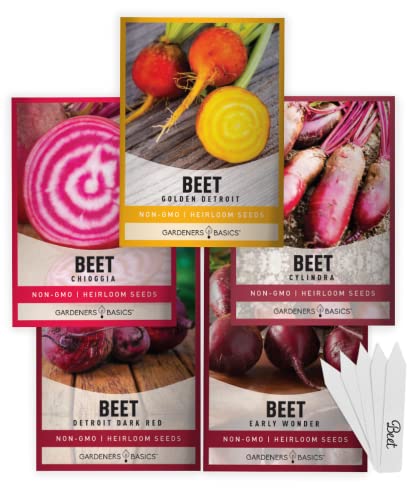
VARIETIES - Detroit Dark Red, Golden, Early Wonder, Cylindra, Chioggia Beet Seeds for Planting all 2 gram packets.

Vibrant Color Fusion: A stunning mix of rainbow beetroots, blending deep reds, golden yellows, and earthy whites for a visually striking dish or juice.
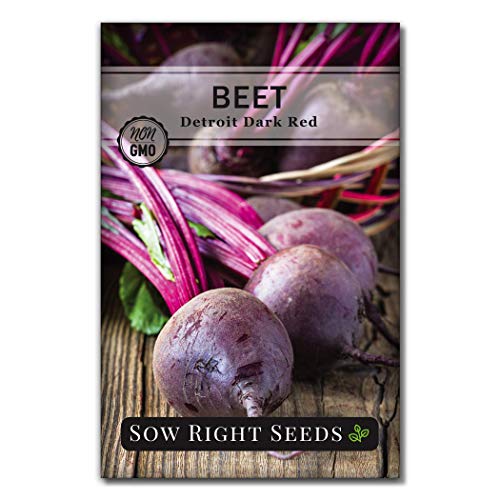
Beautiful - Large premium packet of Detroit Dark Red Beet (Beta var. ‘Detroit Dark Red’) seeds. Vivid, dark red 2-3" round beets have sweet flesh and tasty edible greens. This resilient variety can tolerate temperature variations, offering high productivity even in less-than-ideal soil conditions. Minimum of 1.5 g per packet (about 90 seeds).
Preparing the garden bed
To ensure successful growth, prepare your garden bed before planting your beets. Follow these steps:
- Choose a sunny spot: Pick a location that receives at least 6-8 hours of sunlight daily.
- Clear the area: Remove weeds, rocks, and debris from the soil.
- Loosen the soil: Work the soil to a depth of about 6-8 inches to promote root development.
- Add compost: Mix in 2-4 inches of compost to enrich the soil with nutrients.
- Rake the soil: Level the bed surface for even planting.
Recommended Products

GARDENING ESSENTIAL: Heavy duty, ergonomic hand cultivator with sharp tines ideal for a variety of gardening tasks like digging in tough soil, aerating soil, removing weeds, and more to encourage overall plant health and appearance

VERSATILE 2-IN-1 DUAL-HEAD GARDEN TOOL -- featuring a 3-prong cultivator on one side and a practical garden rake on the other, this 2-in-1 garden cultivator rake lets you loosen soil and remove debris without switching tools. Make your weeding and soil maintenance easier and more efficient.

MUST-HAVE HAND TOOL FOR EVERY GARDENER - This hand rake with 5 sturdy tines is ideal for cultivating, turning, and loosening soil before planting flowers or vegetables, and for fast weeding.
Planting beet seeds or seedlings
Planting beet seeds is simple and rewarding. Follow these steps for a successful start to your beet-growing journey:
- Prepare the soil: Clear the area, loosen the soil, add compost, and level the bed.
- Planting seeds: Sow the seeds ½ inch deep and 1 to 2 inches apart in rows.
- Watering: Keep the soil consistently moist, especially during germination.
- Thinning: Once seedlings have two sets of leaves, thin them to 3 to 4 inches apart.
- Transplanting seedlings: If using seedlings, plant them at the same depth as they were growing before.
- Soil Temperature: Ensure the soil temperature is above 50°F for optimal germination.
| Optimal soil temperature for beet germination |
|---|
| Around 50-85°F |
- Sun Requirements: Beets thrive in full sun but tolerate partial shade.
- Time to Maturity: Most beets are ready for harvest in 55-70 days.
Are you ready to enjoy the fruits of your labor?
Caring for beet plants
So, you’ve successfully planted your beet seeds or seedlings in the garden. Now, let’s talk about caring for your beet plants to ensure a bountiful harvest:
- Watering: Beets need consistent moisture, so water regularly to keep the soil moist but not waterlogged.
- Weeding: Keep the area around your beets weed-free to reduce competition for nutrients.
- Thinning: Once your seedlings have grown a few inches, thin them out to avoid overcrowding. Aim for about 3-4 inches between plants.
- Fertilizing: Consider fertilizing your beets with a balanced fertilizer about 3-4 weeks after planting.
- Pest Control: Look out for common pests like aphids or leaf miners. Monitor your plants regularly and take appropriate action if needed.
- Harvesting: Beets are ready to harvest when they reach the size of a golf ball. Gently pull them from the ground, and enjoy your fresh produce!
Remember, caring for your beet plants is crucial to their growth and overall health. Now’s the time to enjoy the process of nurturing these vibrant veggies towards a successful harvest.
Recommended Products

Trusted Since 2015: Become one of the many plant lovers who rely on the proven accuracy of XLUX. Established in 2015, our soil moisture meter has earned over 60,000+ verified ratings for its consistent performance. While many many newer brands come and go, we provide the long-term reliability and quality that American households have trusted for over a decade.

【SAVE YOUR PLANTS】: Over watering can cause problems with your plants or even kill them. This soil moisture meter helps you know the soil is dry, moist or wet.No more over watering!
Dimensions: 0.4 x 0.3 x 4.7 inches (small) - Intended for pot sizes of 2, 2.5, and 3 - Ideal for small succulents
Harvesting and enjoying your beets
Once your beets have grown to about the size of a golf ball, it’s time to harvest and enjoy the fruits of your labor. Here are some tips to help you make the most of your home-grown beets:
- Harvesting: Gently pull the beets out of the soil, being careful not to damage them. Trim the tops, leaving about an inch of stem to prevent bleeding during cooking.
- Storage: After harvesting, store your beets in a cool, dark place. You can also refrigerate them for extended freshness.
- Cooking: Beets can be boiled, roasted, steamed, or even pickled. Experiment with different cooking methods to find your favorite way to enjoy them.
- Nutritional Benefits: Beets are rich in antioxidants, vitamins, and minerals such as folate and manganese. They are a nutritious addition to your diet.
- Beet Greens: Don’t forget about the nutrient-packed beet greens! They can be sauteed, added to salads, or used in smoothies for an extra health boost.
Conclusion
Now that you have the know-how on caring for your beet plants, you’re all set for a bountiful harvest. Remember to keep an eye on watering, weeding, and fertilizing to ensure your beets thrive. Don’t forget to savor the rewards of your hard work by harvesting and enjoying these nutritious veggies. With a little effort, you’ll soon be relishing delicious beet dishes straight from your garden. Happy gardening!
Frequently Asked Questions
How often should I water my beet plants?
Water your beet plants consistently, aiming for about 1 to 2 inches of water per week, either through rainfall or watering. Ensure the soil is moist but not waterlogged to promote healthy growth.
Why is it important to regularly weed my beet patch?
Weeding is crucial to prevent competition for nutrients and sunlight, allowing your beet plants to thrive. Remove weeds regularly to help beet plants establish strong roots and grow efficiently.
When should I thin the beet seedlings?
Thin beet seedlings when they reach about 2 inches tall to ensure proper spacing for root development. Space them 3 to 4 inches apart to promote healthy growth and optimal beet size.
How should I fertilize my beet plants?
Apply a balanced fertilizer low in nitrogen, like 5-10-10, when thinning seedlings and again when they start forming roots. Avoid over-fertilizing to prevent issues like excessive foliage growth.
How can I monitor and manage pests on my beet plants?
Regularly inspect your beet plants for pests like aphids or flea beetles. Use organic methods like neem oil or insecticidal soap to control pests and protect your beet crop.
When is the best time to harvest beets?
Harvest beets when they reach the size of a golf ball, typically around 1.5 to 2 inches in diameter. Avoid letting them grow too large, as this can result in tougher and less flavorful beets.
How can I store harvested beets properly?
After harvesting, remove beet greens but leave about an inch of the stems attached. Store unwashed beets in a cool, dark place with good ventilation, like a root cellar or refrigerator.
What are some ways to cook and enjoy beets?
Beets can be roasted, boiled, steamed, or pickled for different flavor profiles. Enjoy them in salads, soups, stews, or even as a standalone side dish. Don’t forget to explore recipes using beet greens for added nutritional value.
