

Ever wondered how to grow your own vibrant, delicious beets right in your backyard? Picture this: you step outside, pluck fresh beets from your raised beds, and whip up a mouthwatering salad. Sounds enticing, doesn’t it? In this article, you’ll uncover the secrets to successfully cultivating beets in your raised beds.
Benefits of Growing Beets in Raised Beds
When it comes to growing beets in raised beds, there are numerous advantages to consider. Here are some key benefits for you to keep in mind:
- Improved Soil Quality: Raised beds allow for better control over the soil composition, leading to healthier and more nutrient-rich soil for your beets.
- Enhanced Drainage: The elevated design of raised beds helps prevent waterlogging, ensuring that your beets’ roots have optimal conditions to thrive.
- Weed Suppression: With raised beds, it’s easier to maintain and control weeds, keeping your beet plants free from unwanted competition.
- Extended Growing Season: The soil in raised beds tends to warm up more quickly in the spring, enabling you to plant your beets earlier and extend the growing season.
- Ease of Access: The raised height of the beds makes it convenient for you to tend to your beet plants without needing to bend over or kneel excessively.
- Pest Protection: Raised beds can act as a natural barrier against certain pests and diseases, helping safeguard your beet crop.
Remember, taking advantage of the benefits of raised bed gardening can significantly improve your beet-growing experience.
Choosing the Right Location for Your Raised Beds
When selecting a spot for your raised beds, keep these points in mind:
- Sunlight: Place your beds in a location that receives at least 6-8 hours of sunlight daily.
- Access to Water: Ensure your beds are close to a water source for easy irrigation.
- Soil Quality: Opt for a level area with fertile, well-draining soil for healthy beet growth.
- Spacing: Allow enough room around the beds for easy movement and maintenance.
- Protection: Consider natural windbreaks or barriers to shield your beets from harsh elements.
By carefully choosing the location for your raised beds, you set the stage for a thriving beet-growing environment.
Selecting the Best Beet Varieties for Raised Bed Gardening
Growing beets in raised beds gives you the advantage of better soil quality and drainage, but choosing the right beet varieties is crucial for a successful harvest. Here’s how to make the best selections:
- Determine Your Preferences: Think about what you want from your beets – whether it’s the classic deep red varieties for traditional dishes or the milder golden beets for something different.
- Consider Your Space: If you have limited space or want to grow multiple varieties, look for compact or mini beet varieties that can thrive in raised beds.
- Check the Days to Maturity: Select beet varieties based on how soon you want to harvest. Some mature in as little as 50 days, while others take closer to 70 days.
- Adaptability to Climate: Make sure the beet varieties you choose are suitable for your climate and growing conditions. Some beets are more heat-tolerant, while others thrive in cooler temperatures.
- Beet Leaf Usage: Don’t forget about beet greens! If you enjoy beet greens in salads or cooking, look for varieties that are known for their tasty and tender leaves.
Keep these factors in mind to ensure that you select the best beet varieties for your raised bed garden.
Recommended Products

Beautiful - Large premium packet of Colorful Mixture Beet (Beta vulgaris) seeds. A delightful mix that promises a brilliant array of colors, transforming your garden into a stunning display of reds, golds, purples, and candy stripes. These hearty, robust plants add color to your garden as well as your dinner plate! Minimum of 1.5 g per packet (about 90 seeds).
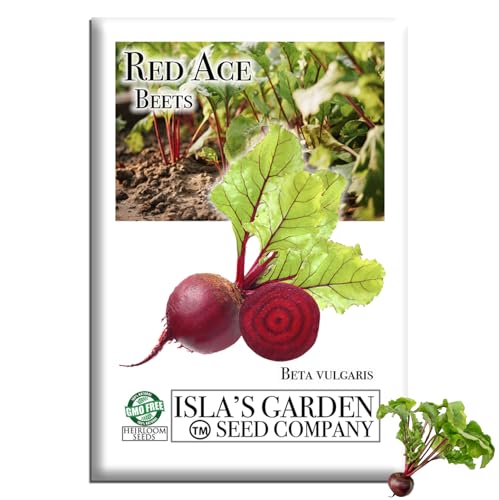
🥬 Productive Garden Beet Variety: Red Ace Beets produce smooth, round roots with a deep red color and dependable growth in home gardens. The sturdy plants develop leafy green tops while forming uniform beet roots beneath the soil. A reliable choice for backyard vegetable gardens and raised beds where gardeners want steady root harvests.
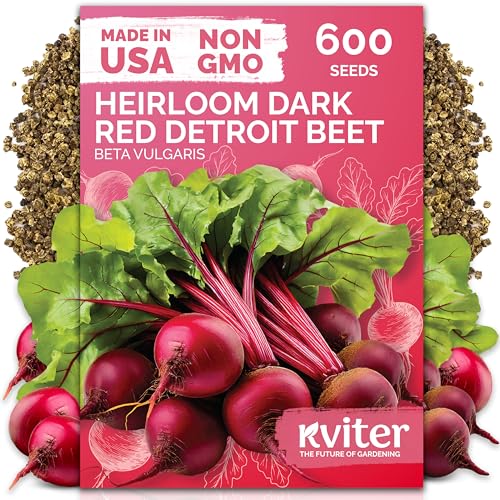
55-60 Day Harvest: Red beet seeds mature fast with tender 2-3 inch roots and sweet classic flavor; sow in loose, well-drained soil at 55-70 °F for best vegetable seeds results.
Preparing the Soil for Beet Cultivation
When preparing the soil for planting beets in your raised bed, ensure it is well-draining to prevent waterlogged conditions. Here’s how you can get the soil ready for your beet cultivation:
- Clear the Area: Remove any weeds or debris from the raised bed to give your beets the best start.
- Loosen the Soil: Break up compacted soil using a garden fork to improve aeration and root penetration.
- Add Organic Matter: Mix in compost or well-rotted manure to boost soil fertility and provide nutrients for your beets.
- Check pH Levels: Aim for a slightly acidic soil pH of around 6.0 to 7.0 for optimal beet growth.
- Incorporate Fertilizer: Consider adding a balanced fertilizer based on soil test results to ensure your beets have access to essential nutrients.
- Create Rows: Form raised rows or mounds in your bed to plant your beet seeds or seedlings, maintaining proper spacing.
- Mulch the Bed: Apply a layer of mulch to help retain moisture, suppress weeds, and regulate soil temperature.
- Water the Soil: Keep the soil consistently moist but not waterlogged throughout the beet growing season.
- Monitor Growth: Regularly check the soil moisture levels and adjust watering as needed to support healthy beet development.
By preparing your soil thoughtfully and providing optimal growing conditions, you can set the stage for a successful beet harvest in your raised bed garden.
Recommended Products

Optimized for Raised Beds: True Organic Raised Bed Food is specially designed to support abundant growth of herbs, flowers, vegetables, and fruits in raised beds and large containers.

Ready-to-Use Formula: No mixing or extra steps required. Simply pour and plant - perfect for gardeners of all experience levels.

● HARVEST: Miracle-Gro Organic Raised Bed & Garden Soil is guaranteed to grow more vegetables for a bigger harvest versus unfed plants (satisfaction guaranteed or your
Planting and Caring for Beets in Raised Beds
When planting beets in raised beds, ensure the soil is loose and well-draining. Here’s how you can get the best out of your beet crop:
- Spacing: Sow beet seeds about 1 inch apart in rows.
- Depth: Plant seeds 1/2 inch deep in the soil.
- Watering: Keep the soil consistently moist but not waterlogged.
- Thinning: Once seedlings emerge, thin them to about 3 inches apart for proper growth.
- Sunlight: Beets thrive in full sunlight, so ensure your bed gets at least 6 hours of sun per day.
- Weeding: Regularly weed around your beet plants to prevent competition for nutrients.
- Harvesting: Beets are ready for harvest in about 50-70 days after planting.
While caring for your beet plants, remember to:
- Water consistently, especially during dry periods.
- Mulch around plants to retain moisture and suppress weeds.
- Monitor for pests and diseases, addressing any issues promptly.
By following these steps, you’ll be well on your way to a successful beet harvest in your raised bed garden.
Harvesting and Storing Your Homegrown Beets
When it’s time to harvest your beets, gently pull them out of the soil. Beets are usually ready to harvest in 50-70 days. Twist off the leaves about an inch above the root, leaving the taproot intact as this helps the beets store longer.
After harvesting, remove any excess soil without washing the beets. Store them in a cool, dark place like a root cellar or the refrigerator. You can store beets for up to 3-4 months by cutting the leaves, leaving an inch of the stem, and placing them in a plastic bag in the crisper drawer.
For longer storage, you can also pickle or can beets. Pickling not only preserves but also adds flavor. Canning is another great option for long-term storage, allowing you to enjoy your homegrown beets throughout the year.
Remember that fresh beets have a sweeter flavor compared to store-bought ones, and homegrown beets are richer in nutrients. Consuming them fresh ensures you get the most out of your harvest, both in taste and health benefits.
Enjoy the fruits of your labor by incorporating your homegrown beets into salads, soups, stews, or even beet chips. The possibilities are endless when it comes to savoring the delicious and nutritious beets you grew in your own raised bed garden.
Recommended Products

Crisper Basket is designed for smaller items that often get lost in crispers like lemons, limes and jalapenos

Extends Produce Shelf-Life: Prolong the freshness of fruits and vegetables, reducing wasted food.

Maximize Fridge Space: Our pull-out refrigerator organizer bins are designed to help you make the most of your fridge space. With their unique hanging and pull-out design, they can expand your usable space by over 50%. Say goodbye to wasted space under the refrigerator plate and hello to a more organized fridge.
Conclusion
Now that you’ve learned the ins and outs of growing beets in raised beds, it’s time to put your newfound knowledge to use. Remember to harvest your beets gently and leave that inch of taproot for optimal storage. By storing them in a cool, dark place or even pickling or canning them, you can enjoy your homegrown beets for longer. The sweet flavor and abundant nutrients in fresh beets make them a delightful addition to your meals. Whether in salads, soups, or as crunchy beet chips, your homegrown beets are sure to impress with their taste and health benefits. Happy gardening and happy eating!
Frequently Asked Questions
When is the right time to harvest beets from my garden?
Beets are ready to harvest after 50-70 days. Gently pull them from the soil, leaving an inch of the taproot for longer storage.
How should I store the harvested beets?
Store beets in a cool, dark place or refrigerate them. Consider pickling or canning for extended storage options.
Are homegrown beets better than store-bought ones?
Yes, fresh beets from your garden offer a sweeter flavor and more nutrients compared to store-bought ones.
What are some ways to enjoy homegrown beets in meals?
You can use homegrown beets in salads, soups, and beet chips to fully enjoy their flavor and nutritional benefits.
