

Understanding Worms on Broccoli Plants
When it comes to worms on your broccoli plants, it’s essential to identify the most common culprits. Some of the common worms that target broccoli include cabbage worms, cutworms, and harlequin bugs. These pests can quickly ravage your broccoli if left unchecked.
Types of Worms
- Cabbage worms: These are the larvae of the cabbage white butterfly and can be identified by their pale green color.
- Cutworms: These worms are chubby, often gray or brown, and curl up when disturbed. They reside in the soil and feed on the base of broccoli stems.
- Harlequin bugs: These bugs are brightly colored and can cause significant damage to broccoli plants by sucking out the sap.
Detecting Worm Infestations
- Inspect your broccoli plants regularly for holes in leaves, chewed sections, or visible worms.
- Look under leaves and at the base of plants for signs of worm activity.
- Use row covers to protect your broccoli from adult butterflies that lay eggs on the plants.
- Encourage natural predators like ladybugs and parasitic wasps to keep worm populations in check.
- Handpick worms off your plants if you spot them.
- Apply organic insecticides or neem oil to control infestations without harmful chemicals.
- Rotate crops annually to disrupt the life cycle of worms.
Understanding the behavior and lifecycle of worms that target broccoli plants is key to effectively managing pest infestations and safeguarding your harvest. By taking proactive measures and closely monitoring your plants, you can keep these unwanted guests at bay and promote healthy broccoli growth.
Identifying Common Worm Pests
When it comes to keeping worms off your broccoli plants, one of the crucial steps is being able to identify the common worm pests that can potentially infest your garden. Here are a few key types of worms that you may encounter:
- Cabbage Worms: These pests are velvety green in color and can often be found feeding on broccoli leaves.
- Cutworms: These worms are smooth and vary in color. They tend to hide in the soil during the day and come out to feed at night.
- Harlequin Bugs: While not technically worms, these pests can cause significant damage to broccoli plants.
By recognizing these common worm pests, you can take early action to prevent infestations and protect your broccoli plants.
Natural Methods to Deter Worms
To naturally deter worms from infesting your broccoli plants, consider these effective methods:
- Planting Deterrents: Intercrop with plants like marigolds or thyme to repel worms.
- Handpicking: Regularly check your plants for worms and remove them by hand.
- Beneficial Insects: Introduce predatory insects like ladybugs to eat worm eggs and larvae.
- Neem Oil Spray: Create a solution with neem oil to deter worms and insects from damaging your plants.
Monitoring your broccoli plants regularly and acting promptly can help keep worm infestations at bay.
Recommended Products
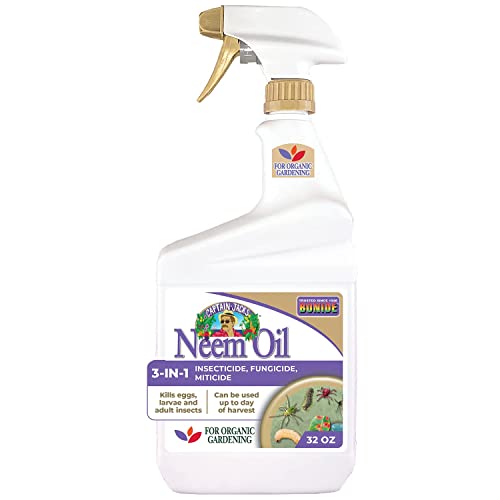
Protect your oasis with 3 garden products in 1 from Captain Jack’s; Bonide Captain Jack’s Ready-to-Use Neem Oil spray for plants is a multi-purpose fungicide, insecticide and miticide for your lawn & garden

FUNGAL DISEASE CONTROL: Prevents and controls black spot on roses, powdery mildew, rust, downy mildew, and other listed fungal diseases when applied on a 7–14 day schedule
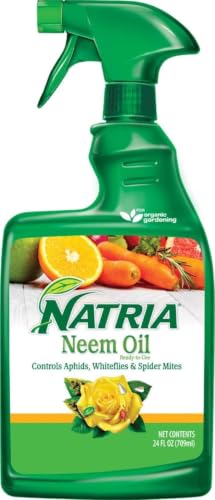
PLANT DISEASE CONTROL: Natria Neem Oil acts as an insecticide and fungicide in one convenient spray; Ready-to-use trigger sprayer requires no mixing
Chemical-Free Solutions for Worm Control
When it comes to keeping worms off your broccoli plants, there are several chemical-free solutions that can help you maintain a healthy and thriving garden. Here are some effective methods you can implement:
- Beneficial Insects: Introducing predatory insects like ladybugs can naturally reduce worm populations by preying on them without the need for harmful chemicals.
- Companion Planting: Planting marigolds or thyme near your broccoli can act as a natural repellent to worms, helping to protect your plants from infestations.
- Physical Removal: Regularly inspect your broccoli plants and handpick any worms you find. This manual control method can be highly effective in managing small infestations.
- Neem Oil Spray: Utilizing neem oil, a natural insecticide, can safely deter worms from your broccoli plants without harming beneficial insects or the environment.
By incorporating these chemical-free solutions into your gardening routine, you can safeguard your broccoli plants and enjoy a bountiful harvest.
Best Practices for Protecting Broccoli Plants
When it comes to safeguarding your beloved broccoli plants, prevention is key. Here are some best practices to help you keep those pesky worms at bay:
- Inspect regularly: Spend a few minutes each day checking your broccoli plants for any sign of worm infestations. Early detection can save your plants from severe damage.
- Practice companion planting: Consider planting marigolds or thyme near your broccoli. These companion plants can help deter worms and other pests.
- Encourage beneficial insects: Invite ladybugs into your garden. These little helpers feast on harmful pests, including worms, helping to maintain a balanced ecosystem.
- Handpick: If you spot any worms on your broccoli, don’t hesitate to remove them by hand. This hands-on approach can be very effective, especially for small infestations.
- Neem oil spray: Consider using neem oil spray. This natural solution can act as a deterrent for worms and other pests, safeguarding your broccoli plants.
By following these best practices, you can nurture your broccoli plants and ensure a bumper harvest without the need for harsh chemicals.
Conclusion
By following these effective strategies, you can safeguard your broccoli plants from pesky worms and enjoy a thriving garden. Regular inspections, companion planting, attracting beneficial insects, handpicking, and utilizing natural deterrents like neem oil spray are key to maintaining the health of your broccoli plants. Embracing these methods will not only protect your plants but also promote a sustainable and eco-friendly approach to gardening. With a little effort and the right techniques, you can keep those unwanted worms at bay and reap the rewards of a bountiful broccoli harvest. Happy gardening!
Frequently Asked Questions
How can I protect my broccoli plants from worms?
To protect broccoli plants from worms, inspect them regularly for signs of infestation. Consider companion planting with marigolds or thyme, which act as natural repellents. Encourage beneficial insects like ladybugs that feed on harmful pests. Handpick worms if spotted on the plants. Use neem oil spray as a natural deterrent to prevent worm infestation.
Why is prevention important in protecting broccoli plants from worms?
Prevention is crucial in protecting broccoli plants from worms as it helps maintain plant health and prevent severe infestations. By implementing preventive measures such as regular inspections, companion planting, and using natural deterrents, you can effectively manage worm populations and avoid the need for harmful chemical pesticides.
How do companion plants like marigolds or thyme help protect broccoli plants from worms?
Companion plants like marigolds or thyme help protect broccoli plants from worms by emitting strong scents that repel pests. These aromatic plants act as natural deterrents, making the environment less favorable for worms to infest broccoli plants. By interplanting broccoli with these companion plants, you create a more balanced ecosystem that supports plant health and minimizes pest damage.
