

Have you ever wondered how to save seeds from your lettuce plants? It’s a rewarding way to ensure you have a fresh supply for next season without spending a dime. Plus, harvesting seeds can be a fun and educational experience, especially if you’re passionate about gardening.
Key Takeaways
- Sustainable Gardening: Harvesting seeds from lettuce plants allows for a continuous supply of fresh lettuce each season while promoting eco-friendly practices.
- Variety Selection: Popular lettuce varieties for seed production include Iceberg, Romaine, Butterhead, and Loose-leaf, each with unique traits that influence seed quality.
- Readiness Indicators: Check seed heads for maturity signs such as size, color change, and dryness before harvesting to ensure high seed viability.
- Essential Tools: Use pruning shears, paper bags, a fine mesh sieve, and labels to streamline the seed-harvesting process and maintain organization.
- Processing & Storage: Clean, dry, and store harvested seeds in airtight containers in a cool, dark place to extend their longevity and viability.
- Common Mistakes: Avoid harvesting too early, neglecting drying, ignoring labels, and overlooking contamination to enhance your seed-saving success.
Understanding Lettuce Seed Harvesting
Harvesting seeds from lettuce plants provides a sustainable way to ensure a continuous supply of this leafy green. This process enhances your gardening knowledge while offering eco-friendly benefits.
Importance of Harvesting Seeds
Harvesting seeds serves multiple purposes. First, it saves money since you won’t need to buy new seeds each growing season. Second, it helps maintain genetic diversity by preserving heirloom varieties. Third, saving seeds allows you to cultivate varieties that adapt well to your local climate. Lastly, it fosters a deeper connection with your plants, enriching your gardening experience.
Types of Lettuce for Seed Production
Choosing the right type of lettuce is crucial for seed production. Here are popular varieties:
- Iceberg Lettuce: Known for its crunchy texture, it produces dense heads.
- Romaine Lettuce: This variety offers a sturdy structure and is ideal for salads.
- Butterhead Lettuce: Soft and tender, it bolts quickly to produce seeds.
- Loose-leaf Lettuce: Fast-growing and easy to harvest, often yielding seeds sooner than others.
When selecting your lettuce, consider the growth habits and seasons. Each variety has distinct traits that influence seed production and quality.
Preparing to Harvest Lettuce Seeds
Harvesting lettuce seeds requires attention to detail. Knowing when to collect seeds and having the right tools makes the process easier.
Assessing Readiness for Harvesting
Check your lettuce plants for signs of maturity before harvesting seeds. Look for the following indicators:
- Seed Heads: Observe the development of flower heads. They should be fully formed and starting to dry.
- Color Change: Notice any color change from bright yellow or green to a more brown or tan hue.
- Timing: Wait for two to three weeks after flowering before collecting seeds, allowing them to mature fully.
Verify that the seeds are hard and dry to the touch. Soft or green seeds indicate they’re not ready for collection.
Tools Needed for Harvesting
Gather essential tools for an efficient seed-harvesting process. These include:
- Pruning Shears: Use sharp pruning shears for a clean cut of the seed stalks.
- Paper Bags: Collect seeds in paper bags to allow moisture to escape while preventing mold.
- Fine Mesh Sieve: Employ a fine mesh sieve to separate seeds from chaff after harvest.
- Labels: Keep labels handy to label the seeds, specifying the variety and date harvested.
Having these tools ready helps ensure a smooth seed-harvesting experience.
Step-by-Step Guide on How to Harvest Seeds from Lettuce Plants
Harvesting seeds from lettuce plants is straightforward. Follow these steps for a successful seed-saving experience.
Recommended Products

SUITABLE SIZE: The size of these seed envelopes is 3.15 "x 4.72", small and lightweight, easy to carry with you every day, you can put them in your pocket, travel bag, or drawer easily. We have a total of 156 seed packets envelopes for you, enough to meet your needs and share them with your family and friends.
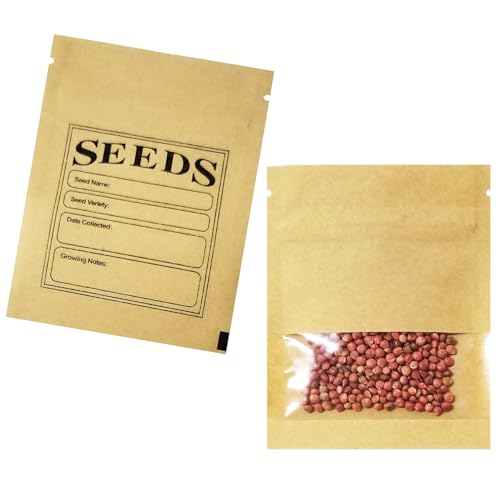
One unit: 100 Pieces; Outside size: 2.7x3.7 inch (7x9.5cm), Usable size: 2.36x2.56 inch (6x6.5cm)

☀️【Floral Pattern】Seeds envelopes, designed with big floral print, with transparent visual window. In addition, there is a blank area on the front for writing information.
Identifying Mature Seed Heads
Identifying mature seed heads is essential for successful harvests. Look for the following signs:
- Size: Mature seed heads grow larger than younger ones.
- Color: Seed heads change from bright green to a tan or brown color.
- Dryness: Check if the seed heads feel dry and brittle.
Ensure you only harvest from plants with fully matured seed heads to maximize seed viability.
Techniques for Harvesting Seeds
Employ these techniques to harvest seeds effectively:
- Timing: Harvest seeds late in the day when the moisture content is lower.
- Cutting: Use pruning shears to cut the entire seed stalk just above the lowest seed heads.
- Collecting: Place the seed heads in a paper bag to prevent moisture buildup.
- Gently Shaking: After a few days, shake the bag to release the seeds.
These methods help retain seed quality and minimize damage during the process.
Processing and Storing Seeds
Processing and storing seeds properly is crucial for longevity. Follow these guidelines:
- Cleaning: Remove any debris or plant material from the seeds. Use a fine mesh sieve if needed.
- Drying: Spread the seeds on a clean paper towel or tray, ensuring they’re in a single layer. Allow them to dry for at least one week.
- Labeling: Use labels to note the type of lettuce and harvest date.
- Storage: Store seeds in an airtight container in a cool, dark place. Refrigerating them can enhance their lifespan.
By following these steps, you ensure that your harvested lettuce seeds remain viable for future planting.
Tips for Successful Lettuce Seed Harvesting
Harvesting lettuce seeds can be fulfilling when you avoid common pitfalls. Keeping a few key tips in mind ensures optimal results and encourages a repeatable process for future seeds.
Recommended Products

PRODUCT SIZE: 10.5inch high and 6.5inch wide, our air tight pantry is suit for tea, honey, coffee beans,Spice,Cereal,Egg,Flour.

Keep your produce fresh for longer: The PrepSolutions Lettuce Keeper keeps your produce fresh with an adjustable air vent and water reservoir, creating the ideal environment for fresh fruits and vegetables. Item measures 12.5" W x 7.25" D x 5.25" H and weighs 1.14 lbs.

𝐏𝐫𝐞𝐦𝐢𝐮𝐦 𝐀𝐢𝐫𝐭𝐢𝐠𝐡𝐭 𝐆𝐥𝐚𝐬𝐬 𝐒𝐭𝐨𝐫𝐚𝐠𝐞 𝐉𝐚𝐫𝐬: Made from durable, high-quality glass, they offer a stylish and practical storage solution for any kitchen, pantry, or home. Keep your herbs, spices, and pantry items fresh with our high-quality airtight glass jars, designed with a child-resistant lid to lock in flavor and protect contents from moisture and air.
Common Mistakes to Avoid
- Harvesting Too Early: Wait until seed heads are fully mature before harvesting. Check for brown or tan-colored seed heads, which indicate readiness.
- Neglecting Drying: Don’t skip the drying process. Seeds must be completely dry to prevent mold. Place them in a cool, airy space for several days.
- Ignoring Labels: Forgetting to label your seed packets can lead to confusion. Include the variety name and harvest date on each label.
- Overlooking Contamination: Avoid mixing seeds from different lettuce types. Keep varieties separate to preserve their unique traits.
- Forgetting Viability Testing: Test your seeds for viability before planting. A simple germination test helps ensure you’ll get sprouts in your garden.
- Use Airtight Containers: Store seeds in glass jars or vacuum-sealed bags. This practice keeps moisture out and prolongs seed life.
- Keep Seeds Cool and Dark: Store seeds in a cool, dark place. Ideal storage temperatures range between 32°F and 41°F.
- Monitor Humidity Levels: Keep humidity low in your storage area. You can use silica gel packs to absorb excess moisture.
- Rotate Older Seeds: Use older seeds first when planting. They lose viability over time, so prioritize those harvested previously.
- Label Each Container: Clearly label each container with the variety and date stored. This habit helps you track seed freshness.
Following these tips ensures successful lettuce seed harvesting and storage, paving the way for a bountiful future garden.
Conclusion
Harvesting seeds from your lettuce plants is a fulfilling way to enhance your gardening experience. You’ll not only save money but also create a sustainable cycle for your garden. By following the steps outlined and keeping those handy tips in mind you can ensure your seeds stay viable for planting next season.
As you gather your seeds remember that each one holds the promise of fresh lettuce and the joy of nurturing new plants. Embrace the process and enjoy the connection you build with your garden. Happy seed harvesting!
Frequently Asked Questions
What are the benefits of saving lettuce seeds?
Saving lettuce seeds is cost-effective and ensures a fresh supply for future planting. It also promotes sustainability, helps maintain genetic diversity, and fosters a deeper connection with your garden.
How can I tell when lettuce seeds are ready to harvest?
Lettuce seeds are ready for harvest when the seed heads are mature, dry, and hard. Check for changes in color and size to determine their readiness for collection.
What tools do I need to harvest lettuce seeds?
Essential tools include pruning shears for cutting seed stalks, paper bags for collecting seed heads, a fine mesh sieve for cleaning seeds, and labels for organization.
What are the steps to harvest seeds from lettuce?
First, identify mature seed heads. Then, cut the seed stalks late in the day, place them in paper bags, and allow them to fully dry before processing the seeds for storage.
How do I store harvested lettuce seeds?
Clean and thoroughly dry the seeds, then store them in airtight containers. Keep the containers in a cool, dark place, and label them with the variety and harvest date to ensure viability.
What common mistakes should I avoid when harvesting lettuce seeds?
Avoid harvesting before seeds are fully mature, ensure seeds are completely dry, and keep different lettuce types separate to prevent cross-contamination. Label packets clearly to track each variety.
