

Ever thought about how much fresher your salads could be if you grew your own lettuce? If you’ve got some leftover lettuce stalks, you’re in luck! You can easily regrow them right at home, and it’s simpler than you might think.
Key Takeaways
- Sustainability: Regrowing lettuce from stalks helps reduce food waste and promotes a sustainable gardening practice.
- Cost-Effective: You can save money by using leftover lettuce stalks, yielding multiple servings without frequent store purchases.
- Easy Process: The method requires minimal space and resources, making it ideal for small homes or apartments.
- Freshness Guarantee: Homegrown lettuce offers better flavor and freshness than store-bought, enhancing your meals.
- Continuous Harvest: Proper management of regrown stalks allows for a regular supply of fresh greens.
- Common Pitfalls: Avoid mistakes like selecting poor-quality stalks or improper watering to ensure successful regrowth.
Benefits of Growing Lettuce from the Stalk
Growing lettuce from the stalk offers several advantages for home gardeners. These benefits include sustainability, cost efficiency, and convenience.
Sustainability
Regrowing lettuce from the stalk promotes sustainability. You minimize food waste by using leftover stalks that might otherwise go in the trash. This practice contributes to a circular economy where resources are reused and valued.
Cost Efficiency
You save money by regrowing lettuce at home. Instead of buying new heads regularly, one stalk can yield multiple servings. This way, you’ll enjoy fresh produce without the ongoing expense of store-bought lettuce.
Convenience
Growing lettuce from the stalk is simple and requires little space. You only need water and a container to start the regrowth process. It’s an excellent option for apartments or small gardens, making fresh salads easy and accessible.
Freshness and Flavor
You experience fresher lettuce with enhanced flavor. Homegrown lettuce tastes better than store-bought varieties, as it can be harvested just before consumption. This freshness increases the overall quality of your salads.
Continuous Harvest
Regrowing lettuce creates a continuous harvest cycle. If managed properly, you can enjoy fresh lettuce regularly without interruptions. This method allows for the consistent production of greens in your kitchen.
By embracing the practice of growing lettuce from the stalk, you encourage sustainable gardening, save money, and enjoy fresher ingredients for your meals.
Preparing the Stalk for Planting
Preparing the lettuce stalk properly ensures successful regrowth. Focus on the right variety and cutting technique.
Recommended Products
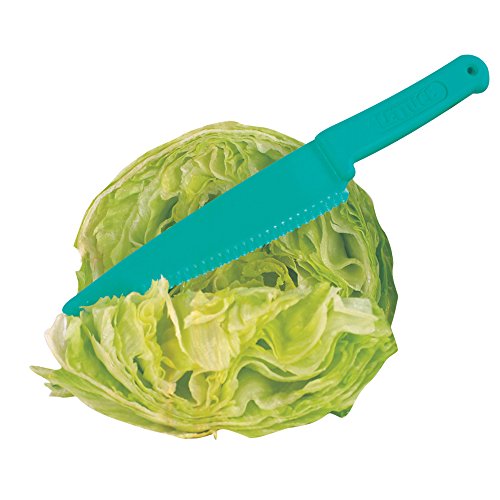
DURABLE DESIGN: Constructed from long-lasting and heat-resistant polystyrene plastic.
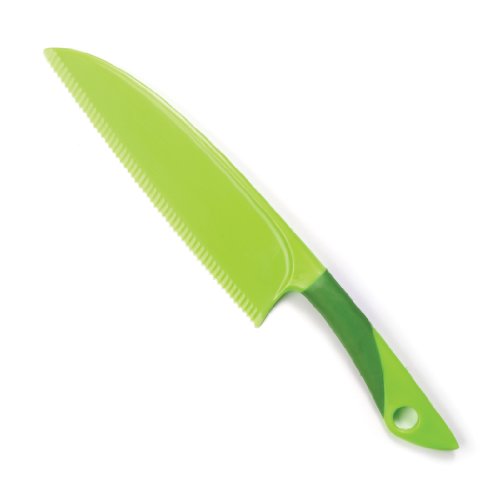
Non-slip, soft grip handle

PREVENTS LETTUCE & SALAD BROWNING: Durable polystyrene plastic blade cuts cleanly through delicate greens, romaine, and cabbage without oxidizing cut edges, keeping tossed salads fresher and crisper longer.
Selecting the Right Lettuce Variety
Select leafy varieties for the best results. Examples include romaine, butterhead, and iceberg lettuce. These types regrow effectively and produce tender leaves. Look for fresh, organic stalks to start. Avoid wilted or damaged stalks as they may not regrow.
Cutting the Stalk Properly
Cut the stalk correctly to encourage growth. Use a sharp knife and cut about 2 to 3 inches from the base of the lettuce head. Make sure the cut is straight to avoid injury to the stalk. After cutting, rinse the stalk under running water to remove any dirt. This promotes a healthier environment for regrowth.
Planting the Stalk
You’ll need to consider a few key factors when planting your lettuce stalk to encourage healthy regrowth. Start by selecting an appropriate container and preparing the right soil.
Choosing the Right Container
Choose a container that allows for drainage. A pot with drainage holes or a shallow tray works well. You can also repurpose items like glass jars or plastic containers for a creative touch. Ensure the container is at least 4-6 inches deep to accommodate root growth. When using a jar, opt for one that can support the stalk submerged in water without tipping over.
Soil Requirements
Use a nutrient-rich potting mix designed for vegetables. Mix in some compost for additional nutrients. A loose, well-draining soil helps prevent waterlogging, which can rot the stalk. Fill the container, leaving enough space for the stalk’s base to rest above the soil surface. Aim for a moisture level that is consistently damp but not soggy, as this supports healthy root development.
Caring for Your Lettuce
Caring for your lettuce involves providing the right environment and nourishment to ensure healthy growth. Focus on light, water, and fertilization for the best results.
Recommended Products

Keep your produce fresh for longer: The PrepSolutions Lettuce Keeper keeps your produce fresh with an adjustable air vent and water reservoir, creating the ideal environment for fresh fruits and vegetables. Item measures 12.5" W x 7.25" D x 5.25" H and weighs 1.14 lbs.

𝐊𝐞𝐞𝐩𝐬 𝐕𝐞𝐠𝐞𝐭𝐚𝐛𝐥𝐞𝐬 𝐅𝐫𝐞𝐬𝐡 𝐋𝐨𝐧𝐠𝐞𝐫: The Home-X salad keeper for refrigerator is designed to preserve the freshness of lettuce, broccoli, cauliflower, and more. It creates an ideal cold, moist storage environment to help your vegetables stay crisp and fresh for longer periods.
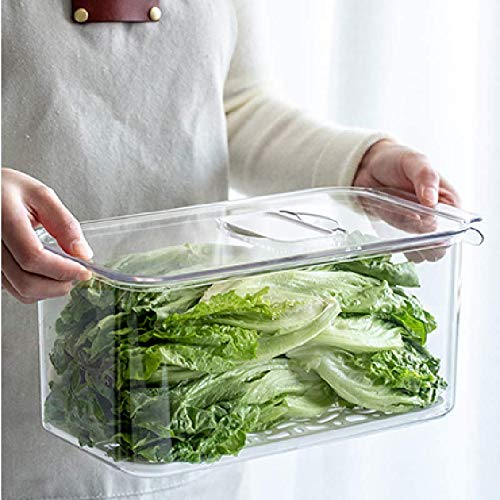
Note: NOT dishwasher safe! NOT for microwave oven! Working celsius temperature -30℃~60℃,suitable for refrigerator and freezer.
Light and Water Needs
Lettuce thrives in bright, indirect sunlight. Aim for about 12-14 hours of light each day. If growing indoors, consider using a grow light to meet this requirement.
Water your lettuce regularly. Keep the soil moist but not soaking. Check daily, and water when the top inch of soil feels dry. Avoid letting the soil dry out completely, as this can stunt growth.
Fertilizing Your Lettuce
Fertilization supports robust growth. Use a balanced, water-soluble fertilizer every 2-4 weeks. Look for options with equal parts nitrogen, phosphorus, and potassium.
Before applying fertilizer, dilute it according to package instructions. Spread it evenly around the base of the plants, avoiding direct contact with the leaves. This practice encourages healthy root development and lush foliage.
Common Mistakes to Avoid
Avoiding certain errors ensures successful regrowth of lettuce from the stalk. Here are common pitfalls to watch for:
- Not Choosing the Right Stalk
Select healthy stalks from mature lettuce. Look for firm and intact bases. Avoid wilted or brown-edged stalks, as they may not thrive. - Insufficient Sunlight
Provide 12-14 hours of indirect sunlight daily. Lack of adequate light can stunt growth or lead to leggy plants. Rotate the container for even growth. - Overwatering or Underwatering
Keep the soil consistently moist but not soggy. Overwatering leads to root rot, while underwatering can dry out the stalk. Check the soil regularly. - Improper Container Size
Use a container that allows enough room for growth. Too small a pot restricts roots, while too large a pot can retain excess moisture. A pot with drainage holes is essential. - Neglecting Fertilization
Apply balanced, water-soluble fertilizer every 2-4 weeks. Skipping fertilizer can result in weak growth. Dilute and apply it around the base for optimal absorption. - Ignoring Pests and Diseases
Regularly inspect the lettuce for pests or signs of disease. Early detection helps in controlling issues before they escalate. Use organic pest control methods when necessary.
By steering clear of these mistakes, you’ll enhance your chance of successfully regrowing lettuce from stalks, leading to a bountiful supply for your salads.
Conclusion
Growing lettuce from the stalk is not just a fun project but also a rewarding way to enjoy fresh greens right from your kitchen. With a little patience and the right care you can create a continuous supply of delicious lettuce for your salads.
Remember to keep an eye on light and water needs while avoiding common mistakes. You’ll be amazed at how quickly those stalks can turn into vibrant plants. So grab those leftover stalks and get started on your home gardening adventure. Your taste buds will thank you!
Frequently Asked Questions
How can I regrow lettuce from leftover stalks?
You can regrow lettuce by placing the leftover stalks in a shallow container with water, ensuring the cut end is submerged. Change the water every few days, and after a week, you’ll start seeing new growth. Once the roots are a few inches long, transfer the stalks to soil.
What type of lettuce is best for regrowing?
Romaine, butterhead, and green leaf lettuces are ideal for regrowing. These varieties tend to adapt well to this method and provide vibrant growth, making them perfect for home salads.
What kind of container is suitable for growing lettuce?
Choose a container with drainage holes to prevent waterlogging. It can be plastic, ceramic, or even recycled containers, as long as they are at least 6-8 inches deep to accommodate root growth.
How much sunlight do I need to provide for my regrown lettuce?
Lettuce needs about 12-14 hours of indirect sunlight daily. A sunny windowsill or a spot with filtered light works best. Too much direct sunlight can cause wilting.
How should I water my regrown lettuce?
Keep the soil consistently moist but not soggy. Water when the top inch of soil feels dry to the touch. Overwatering can lead to root rot, so it’s essential to find the right balance.
Do I need to fertilize my regrown lettuce?
Yes, fertilization is important for healthy growth. Use a balanced, water-soluble fertilizer every 2-4 weeks, diluting it and applying it around the base of the plants to promote root development.
What are common mistakes to avoid when regrowing lettuce?
Avoid using stalks that are too damaged, providing insufficient sunlight, overwatering or underwatering, and using containers that are too small. Neglecting fertilization and pest management can also hinder growth.
How can I tell if my regrown lettuce is healthy?
Healthy regrown lettuce should have vibrant green leaves that are firm and crisp. Look for signs like lush foliage, no yellowing leaves, and strong roots indicating successful growth.
