

Are you excited to enjoy the fresh taste of homegrown romaine lettuce? Harvesting your lettuce can be a rewarding experience, but it’s easy to feel unsure about when and how to do it. You’ve put in the effort to nurture those plants, and now it’s time to reap the benefits.
Key Takeaways
- Romaine Lettuce Growth Requirements: Thrive in full sun (6+ hours daily), with soil temperatures between 60°F to 70°F and pH levels of 6.0 to 7.0 for optimal growth.
- Ideal Harvest Timing: Harvest heads when they are firm and fully developed, typically 65 to 75 days after sowing. Morning harvesting preserves flavor and freshness.
- Essential Harvesting Tools: Use sharp garden shears, gloves for protection, and breathable containers for collection to maintain the quality of your lettuce.
- Harvesting Techniques: Apply the cut and come again method for multiple harvests, or opt for whole head harvesting for larger yields. Always cut close to the base to prevent damage.
- Post-Harvest Care: Clean and store harvested lettuce properly by rinsing under cool water, drying, and keeping it in breathable containers in the refrigerator for maximum freshness.
- Storage Methods: For longer preservation, consider blanching and freezing the romaine to extend its shelf life while maintaining flavor and texture.
Understanding Romaine Lettuce
Romaine lettuce is a popular choice for home gardens due to its crisp texture and nutritional value. Knowing its requirements and characteristics makes harvesting a breeze.
Growing Conditions
Romaine lettuce thrives best in full sun, receiving at least 6 hours of direct sunlight daily. The ideal soil temperature ranges from 60°F to 70°F. Well-drained, fertile soil enhances growth; aim for pH levels between 6.0 and 7.0. Amending soil with compost improves nutrient levels. Consistent moisture is crucial, so irrigation is important during dry spells. Space seeds or seedlings 12 to 18 inches apart to ensure proper air circulation, minimizing diseases.
Ideal Harvest Time
Harvest when the heads are firm and fully developed, typically 65 to 75 days after sowing seeds. For optimal flavor, pick in the morning when temperatures are cooler. Examine the outer leaves; they should be a vibrant green without signs of wilting or bolting. If you’re uncertain, bend a leaf; it should snap rather than bend. For continuous harvest, cut the outer leaves, allowing the center to keep growing. If the plant bolts, gather the leaves immediately to prevent the lettuce from becoming bitter.
Tools Needed for Harvesting
Gathering the right tools makes harvesting romaine lettuce easier and more efficient. Below are some essential and optional tools to consider.
Essential Equipment
- Garden Shears: Sharp shears make clean cuts, reducing damage to the plant. Look for bypass shears for the best results.
- Gloves: Wear gardening gloves to protect your hands while handling plants and soil. Choose gloves that offer both comfort and grip.
- Basket or Container: Use a sturdy basket to collect harvested lettuce. A breathable container prevents bruising and keeps the heads fresh.
- Watering Can: Having a watering can handy helps to hydrate the soil after harvesting. This maintains moisture for any remaining plants.
- Kneeling Pad: A kneeling pad provides comfort while you work at ground level. This helps reduce strain on your knees.
- Harvesting Knife: A knife may offer a quicker cutting method for larger quantities. Ensure it’s sharp for clean and efficient cuts.
- Labels: Use garden labels to mark freshly harvested locations. This helps track what you’ve picked and what’s left.
- Cooler or Ice Packs: If you plan to store or transport your lettuce, coolers with ice packs keep your harvest crisp and fresh.
Utilizing these tools enhances the harvesting process, making it a rewarding experience.
Techniques for Harvesting Romaine Lettuce
Harvesting romaine lettuce involves specific techniques that maintain the quality of the leaves and encourage further growth. Two common methods include the cut and come again method and whole head harvesting.
Recommended Products

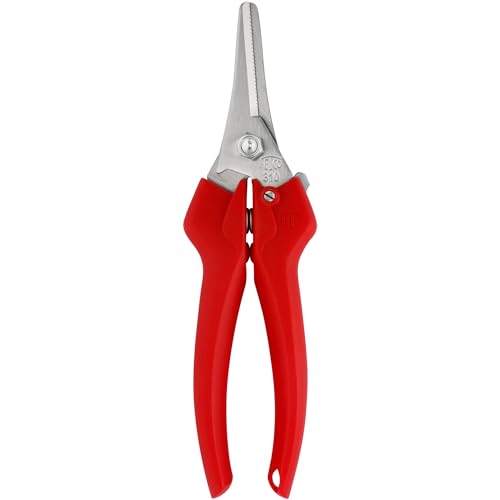
NO KNIFE NEEDED: Chop a whole head of lettuce in seconds easily and safely with the SaladShears Lettuce Chopper.

The blades are made of Japanese high-quality stainless steel and rounded outside edges to protect and reduce product or stem damage.
Cut and Come Again Method
The cut and come again method allows you to enjoy multiple harvests from a single plant. Here’s how to do it:
- Identify Maturity: Wait until the leaves reach a height of 6 to 8 inches.
- Select Outer Leaves: Choose the largest outer leaves for cutting, leaving the inner leaves intact.
- Use Sharp Tools: Utilize garden shears or scissors for clean cuts. This minimizes damage to the plant.
- Harvest Time: Pick the leaves in the morning for maximum freshness.
- Encourage Regrowth: After harvesting, water the plant to promote new leaf development.
This method extends the harvest period, providing fresh lettuce over several weeks.
Whole Head Harvesting
Whole head harvesting provides a bountiful supply of romaine at once. Here’s a step-by-step guide:
- Check for Readiness: Ensure the head is firm and at least 8 to 12 inches tall.
- Cut at the Base: Use a harvesting knife to cut the head close to the soil line. A sharp tool prevents unnecessary crushing.
- Handle Carefully: Gently lift the head from the ground without bruising the leaves.
- Store Immediately: Place the harvested heads in a cool, shady spot, or use ice packs to keep them fresh.
Whole head harvesting delivers a larger yield, perfect for larger gatherings or meals.
By using these techniques, you can efficiently harvest your romaine lettuce, ensuring you maximize your garden’s potential.
Post-Harvest Care
Proper post-harvest care ensures your romaine lettuce stays fresh and flavorful. Follow these guidelines to keep your lettuce in top condition.
Cleaning and Storing
Start by rinsing your harvested romaine lettuce under cool, running water. This removes dirt and any pests. After rinsing, gently pat the leaves dry with a clean towel or use a salad spinner to remove excess water.
Next, use a sharp knife or scissors to trim any damaged or bruised leaves. Properly clean and store your harvested lettuce in a breathable container, such as a produce bag or a perforated plastic container. Avoid plastic wrap, as it traps moisture and can lead to spoilage.
Maintaining Freshness
For optimal freshness, store your romaine lettuce in the refrigerator’s crisper drawer. The ideal temperature for lettuce storage is between 32°F and 36°F. Keep humidity levels high by placing a damp paper towel in the storage container with the lettuce.
For longer storage, consider freezing your romaine. Blanch the leaves in boiling water for 1-2 minutes, then immediately transfer them to an ice water bath to stop the cooking process. After cooling, drain and pack the leaves in airtight freezer bags. Label them with the date for reference.
Conclusion
Harvesting your romaine lettuce can be a rewarding experience that brings fresh flavors to your meals. By using the right techniques and taking care of your greens after picking them you’ll enjoy the fruits of your labor for longer.
Remember to store your lettuce properly to keep it crisp and delicious. Whether you’re enjoying it in salads or sandwiches your homegrown romaine will surely elevate your dishes. So get out there and enjoy the harvest!
Frequently Asked Questions
What is the best way to harvest romaine lettuce at home?
Harvest romaine lettuce using the “cut and come again” method or by cutting the whole head. For the cut and come again approach, trim outside leaves, allowing the center to continue growing. If harvesting the whole head, cut at the base just above the soil.
How should I care for my romaine lettuce after harvesting?
After harvesting, clean the romaine lettuce gently under cool water. Trim any damaged leaves and dry it thoroughly. Store the cleaned lettuce in breathable containers, like a produce bag or container with ventilation, to maintain its freshness.
What are the ideal storage conditions for romaine lettuce?
Store romaine lettuce in the refrigerator’s crisper drawer. Maintain the temperature between 32°F and 36°F with high humidity. This environment helps keep your lettuce crisp and fresh for an extended period.
Can I freeze romaine lettuce for longer storage?
Yes, you can freeze romaine lettuce. First, blanch the leaves in boiling water for about two minutes, then immediately cool them in an ice bath. Once cooled, dry thoroughly and pack the leaves in airtight bags before freezing for longer preservation.
How do I keep my romaine lettuce fresh in the fridge?
To keep romaine lettuce fresh, store it in the crisper drawer wrapped in a damp paper towel or in a breathable container. Avoid washing it until you’re ready to use, as excess moisture can lead to spoilage.
