

Are you struggling to keep your lettuce crisp and fresh? You’re not alone! Many gardeners find it tricky to figure out the right watering schedule for this leafy green. Too little water can lead to wilting, while too much can cause root rot.
Key Takeaways
- Ideal Watering Schedule: Water lettuce deeply but infrequently, aiming for 1 to 1.5 inches of water weekly, adjusting based on environmental conditions.
- Understand Soil Types: Sandy soils require more frequent watering due to quick drainage, while clay soils retain moisture longer, impacting your watering frequency.
- Monitor Plant Health: Look for wilting, discoloration, or yellow leaves as signs of underwatering or overwatering to adjust your watering practices accordingly.
- Efficient Watering Techniques: Utilize soaker hoses, drip irrigation, or mulch to retain moisture and deliver water effectively while minimizing evaporation.
- Environmental Factors Matter: Consider climate and seasonal changes that affect lettuce hydration needs; hotter, drier conditions will necessitate more frequent watering.
- Soil Health is Crucial: Enhance soil quality with organic amendments to improve moisture retention and nutrient delivery, supporting better lettuce growth.
Understanding Lettuce Watering Needs
Lettuce requires specific watering routines to thrive. Knowing these needs helps maintain healthy, crisp leaves without wilting or rot.
Recommended Products

Trusted Since 2015: Become one of the many plant lovers who rely on the proven accuracy of XLUX. Established in 2015, our soil moisture meter has earned over 60,000+ verified ratings for its consistent performance. While many many newer brands come and go, we provide the long-term reliability and quality that American households have trusted for over a decade.
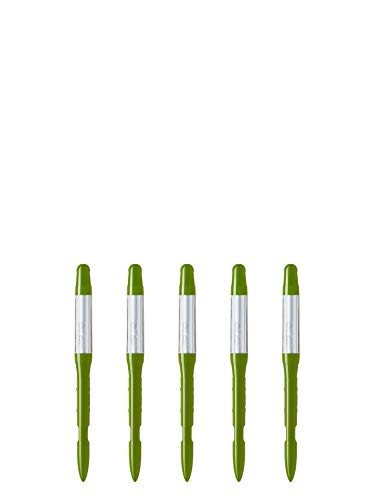
Dimensions: 0.4 x 0.3 x 4.7 inches (small) - Intended for pot sizes of 2, 2.5, and 3 - Ideal for small succulents

【SAVE YOUR PLANTS】: Over watering can cause problems with your plants or even kill them. This soil moisture meter helps you know the soil is dry, moist or wet.No more over watering!
Factors Affecting Watering Frequency
- Climate Conditions: Hot weather increases evaporation rates, requiring more frequent watering. Cooler temperatures may reduce the frequency of water application.
- Soil Type: Sandy soils drain quickly, necessitating more regular watering compared to clay soils, which retain moisture longer.
- Plant Maturity: Young seedlings require more water to establish their roots, while mature plants can tolerate slight dryness.
- Humidity Levels: Higher humidity reduces the need for watering, while low humidity conditions lead to faster moisture loss from the soil.
- Underwatering Signs: Look for wilting leaves, dry soil, and leaf discoloration (especially browning at the edges). If you notice these, the plants need more water.
- Overwatering Signs: Yellowing leaves and soggy soil indicate excess moisture. Additionally, root rot can develop if the soil remains constantly wet. Adjust your watering schedule to prevent these issues.
By monitoring these factors and signs, you can tailor your watering approach to suit your lettuce crop effectively.
Best Practices for Watering Lettuce
Watering lettuce properly ensures healthy growth and crisp texture. By following specific practices, you can maintain optimal hydration levels and prevent common issues.
Recommended Products

【Upgraded Tube Design & Water Saving】 Our garden watering system is upgraded to 1/2” diameter to support high water pressure. The 1/2” tee connector allows seamless splitting into 2 independent zones for customized watering schedules. By delivering moisture directly to root zones, this drip Irrigation system significantly reduces evaporation and runoff—saving more water compared to conventional sprinklers while eliminating the need for manual watering.

【Upgraded Tube Design & Water Saving】 Our adjustable garden watering system is upgraded to 1/2” diameter to support high water pressure. The 1/2” tee connector in the package so you can easily set up 2 drip irrigation systems as needed. Garden watering systems minimize stage water loss by recharging water directly to plant roots. While traditional irrigation often results in wasted water, this drip irrigation system saves up to 70% of water, no need for manual watering, saves water.

Convenient Drip irrigation kit has everything needed to water up to a 4’ x 8’ raised bed garden
Optimal Watering Schedule
Water lettuce deeply but infrequently. Aim for 1 to 1.5 inches of water per week. During dry periods, increase your watering frequency to every 2 to 3 days. Monitor your soil; if the top inch feels dry, it’s time to water. Adjust the schedule based on weather conditions. For example, in hot climates, you may need to water daily, while cooler regions may require less frequent watering.
Techniques for Efficient Watering
Use methods that promote thorough and even watering.
- Soaker Hoses: Lay soaker hoses along the base of your plants, allowing slow, steady moisture without wetting the leaves.
- Drip Irrigation: Install drip irrigation systems that deliver water directly to the soil, minimizing waste and evaporation.
- Hand Watering: If using a watering can or hose, water at the soil level rather than overhead. This approach reduces leaf diseases caused by excess moisture on foliage.
- Mulching: Apply a layer of organic mulch around your plants. Mulch retains moisture, regulates soil temperature, and suppresses weeds.
By implementing these techniques and adhering to a consistent schedule, you’ll ensure your lettuce thrives and produces high-quality greens.
Environmental Considerations
Understanding environmental factors crucially affects how often you water lettuce. Components like climate, season, and soil type influence watering needs and moisture retention.
Climate and Season Effects
Climate significantly impacts lettuce growth and hydration levels. In hot, dry climates, you may require more frequent watering—up to 1.5 inches per week. Conversely, cooler, humid environments often demand less water.
Seasons also play a role. During the summer, higher temperatures lead to faster soil drying. In these instances, check soil moisture regularly and adjust your watering schedule to prevent stress. Spring and fall usually provide milder conditions, allowing for a more regular watering routine.
Soil Type and Moisture Retention
Soil type directly affects how water is retained and drained. Sandy soil drains quickly, leading to potential drought stress in lettuce if not watered adequately. For sandy soils, consider watering more frequently or using a moisture-retentive mulch.
Clay soils, in contrast, retain moisture longer but can become waterlogged. For clay environments, reduce watering frequency and ensure good drainage to prevent root rot.
Choosing the right soil mix can improve moisture retention. A blend of compost and well-aerated organic matter enhances soil structure, promoting better water absorption while allowing excess moisture to drain effectively. This balance supports healthy lettuce growth with less frequent watering.
Common Mistakes in Watering Lettuce
Many gardeners make common mistakes when watering lettuce, leading to unhealthy plants. Understanding these pitfalls helps ensure your lettuce thrives.
Recommended Products

Soil Moisture Meter: This single probe soil moisture meter is specially designed for testing the moisture level in the soil, helps you decide whether the plants need water or not, helps to keep plants alive.

Accurate Soil Moisture Detection: The XLUX Soil Moisture Meter can tell you if the soil deep inside your pot or garden is dry, moist or wet; whereas your eyes and fingers can only determine the moisture level of the soil surface. The probe is 5.5 inches (14 cm) longer than regular styles, allowing it to measure the soil moisture at the bottom of larger and deeper flower pots.

Accurate Soil Moisture Detection: The XLUX Soil Moisture Meter detects deep soil moisture in pots or gardens (dry/moist/wet), unlike eyes or fingers that only sense surface soil.
Overwatering Risks
Overwatering is a frequent issue. Too much water leads to root rot and fungal diseases. When lettuce roots sit in waterlogged soil, they can’t access oxygen, causing them to decay. Signs of overwatering include yellowing leaves and wilting, even with moist soil. Watering once or twice a week, allowing the top inch of soil to dry between waterings, helps prevent these problems.
Neglecting Soil Health
Neglecting soil health can also hinder lettuce growth. Healthy soil retains moisture and provides nutrients. If soil amendments like compost or organic matter are lacking, water retention diminishes. Improving soil with organic matter enhances texture and moisture-holding capacity. Testing soil regularly and adjusting pH and nutrient levels supports strong lettuce. Well-balanced soil makes it easier to maintain the right watering schedule.
Conclusion
Getting the watering right for your lettuce can make all the difference in your garden. By paying attention to your climate and soil conditions you can ensure your lettuce stays healthy and vibrant. Remember to check for signs of stress and adjust your routine as needed.
Using techniques like mulching and soaker hoses can help maintain moisture levels while avoiding common pitfalls like overwatering. With a bit of care and the right practices your lettuce will thrive and provide you with delicious, fresh greens. Happy gardening!
Frequently Asked Questions
What are the main challenges in watering lettuce?
Watering lettuce can be tricky due to varying climate conditions, soil types, and signs of under or overwatering. Gardener need to balance these factors to ensure lettuce receives adequate moisture for optimal growth.
How often should I water my lettuce?
Lettuce typically requires consistent moisture. Water it about 1-2 inches per week, depending on the climate and soil type. Adjust frequency based on rainfall and monitor for signs of wilting or yellowing leaves.
What are the best practices for watering lettuce?
Using an optimal watering schedule along with techniques like soaker hoses and mulching is recommended. These methods help deliver water steadily while minimizing evaporation and soil erosion.
What are common mistakes when watering lettuce?
Overwatering is a common mistake that can lead to root rot and fungal diseases. It’s crucial to watch for signs of excess moisture and adjust your watering practices accordingly.
Why is soil health important for lettuce growth?
Healthy soil enhances moisture retention and nutrient availability, which is vital for strong lettuce growth. Incorporating organic matter improves soil structure and promotes better watering efficiency.
