

Have you ever wondered how often you can enjoy fresh lettuce from your garden? If you’re growing your own greens, knowing the right time to harvest can make a big difference in flavor and yield. Imagine stepping outside to pick crisp, vibrant leaves for your salad, all while maximizing your gardening efforts.
Key Takeaways
- Understanding Growth Phases: Recognize the two main phases of lettuce growth—seedling (2-3 weeks) and maturity (4-6 weeks)—to optimize your harvest schedule.
- Harvest Timing: Start harvesting outer leaves as early as 30 days after sowing, and continue to pick regularly to encourage new growth.
- Influencing Factors: Factors such as lettuce variety, soil quality, watering, sunlight, and temperature significantly affect harvest frequency and quality.
- Effective Harvesting Techniques: Utilize methods like scissor cuts or leaf-by-leaf harvesting to maximize flavor and minimize plant damage, aiming to harvest in the morning for best results.
- Best Practices for Sustained Growth: Implement crop rotation and regular maintenance, including watering, mulching, and pest management, to ensure a continuous supply of fresh lettuce throughout the growing season.
Understanding Lettuce Growth Cycles
Understanding the growth cycles of lettuce ensures timely harvesting, helping you enjoy crisp, flavorful leaves. Lettuce typically grows in two main phases: the seedling phase and the maturity phase. Each phase requires attention for optimal results.
Seedling Phase
During the seedling phase, lettuce germinates and develops its initial leaves. This phase lasts about 2 to 3 weeks.
- Germination: It occurs between 7 to 14 days after planting seeds.
- Growth Conditions: Maintain a temperature of 60°F to 70°F. Ensure consistent moisture to support growth.
- Thin Seedlings: Once seedlings reach 2 inches tall, thin them out to prevent overcrowding. Space remaining plants about 4 to 6 inches apart.
Maturity Phase
The maturity phase follows the seedling phase and can take an additional 4 to 6 weeks.
- Harvest Time: Harvesting starts when outer leaves grow large and vibrant. You can begin picking leaves as early as 30 days after sowing seeds.
- Continued Harvest: Depending on the variety, harvest can continue for several weeks. Cutting leaves regularly encourages new growth.
- Full Maturity: For full heads, allow up to 70 days. Check for a firm texture and vibrant color before complete harvesting.
By understanding these phases, you can effectively plan your harvest and enjoy fresh lettuce throughout the growing season.
Factors Influencing Harvest Frequency
Various factors affect how often you can harvest lettuce. Understanding these elements helps you maximize your yield and quality.
Recommended Products

Trusted Since 2015: Become one of the many plant lovers who rely on the proven accuracy of XLUX. Established in 2015, our soil moisture meter has earned over 60,000+ verified ratings for its consistent performance. While many many newer brands come and go, we provide the long-term reliability and quality that American households have trusted for over a decade.

Kindly NOTE: This soil tester can not be applied to test pH value of any other liquid. If the soil is too dry the indicator will not move, and water it before testing.

Accurate Soil Moisture Detection: The XLUX Soil Moisture Meter can tell you if the soil deep inside your pot or garden is dry, moist or wet; whereas your eyes and fingers can only determine the moisture level of the soil surface. The probe is 5.5 inches (14 cm) longer than regular styles, allowing it to measure the soil moisture at the bottom of larger and deeper flower pots.
Variety of Lettuce
Different lettuce types influence harvest timing. Leaf lettuce, such as romaine and butterhead, can yield greens every few weeks. These varieties mature quickly, allowing for multiple harvests within a season. In contrast, head lettuce, like iceberg, requires a longer growing period and typically offers one main harvest per plant. When selecting a variety, consider your preferences and growing strategy.
Growing Conditions
Growing conditions play a crucial role in determining harvest frequency. Factors include:
- Soil Quality: Well-drained, nutrient-rich soil promotes healthy growth. Amend soil with compost to enhance fertility and structure.
- Watering: Regular watering supports consistent growth. Aim for at least 1 inch of water weekly, adjusting for weather conditions.
- Sunlight: Lettuce thrives in full sun, requiring 6-8 hours daily. Adequate light ensures faster growth and reduces the likelihood of bolting.
- Temperature: Lettuce grows best in cooler temperatures, ideally between 60-70°F. Excessive heat can trigger premature flowering, leading to reduced harvest quality.
By optimizing these growing conditions, you can achieve healthier plants and increase harvest frequency.
Harvesting Techniques
Harvesting lettuce effectively ensures maximum flavor and yield. This section discusses useful cutting methods and timing for optimal flavor.
Cutting Methods
- Scissor Cut: Use scissors to snip leaves at the base. This method allows for a clean cut, reducing damage to the plant.
- Hand Harvesting: Grasp the leaves with your hand and pull them gently. Focus on outer leaves first, promoting continued growth from the center.
- Romaine Cut: For romaine varieties, cut the entire head at the soil level. This results in a single harvest, which can be beneficial for recipes requiring whole heads.
- Leaf-by-Leaf Harvesting: For loose-leaf varieties, pick outer leaves regularly. This approach extends the harvest period by encouraging continuous growth.
- Morning Harvesting: Early morning is the best time to harvest lettuce. Cooler temperatures retain moisture and enhance flavor.
- Pre-Flowering Phase: Harvest before the plant bolts or flowers. Lettuce that goes to seed tends to become bitter and tough.
- 6 to 8 Weeks: Most lettuce varieties reach peak flavor about 6 to 8 weeks after planting. Monitor leaf size for readiness; leaves should be tender but well-developed.
- Regular Harvest Intervals: Plan to harvest every 2 weeks during the growing season. This frequency ensures a steady supply of fresh lettuce and allows for healthier regrowth.
Implementing these techniques and timing strategies optimizes your lettuce harvest, providing fresh, flavorful leaves for your meals.
Best Practices for Continued Harvest
To maintain a steady supply of fresh lettuce, focus on proper planting techniques and regular care. Implementing strategies like crop rotation and following maintenance tips ensures healthy plants and more frequent harvests.
Recommended Products

🥬 CRAFTED FOR ALL LETTUCE VARIETIES – Gardenera LIQUID POWER Lettuce Fertilizer is specially formulated to support rapid leaf development, crisp texture, and vibrant green color in romaine, butterhead, iceberg, red leaf, and loose-leaf lettuces.

MasterBlend Lettuce Fertilizer Formula by PowerGrow Systems is fully Water Soluble
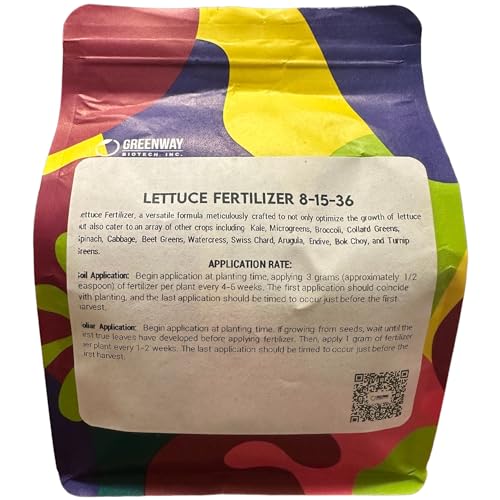
LEAFY GREENS FORMULA 8-15-36 POWDER — Engineered specifically for lettuce, kale, spinach, microgreens, and all leafy vegetables; very high potassium (36%) promotes crisp texture and extended shelf life while moderate nitrogen (8%) prevents leggy, weak growth
Crop Rotation
Rotate lettuce crops every season to improve soil health and reduce pest problems. Choose different planting areas in your garden each year. For example, if you planted lettuce in one section this year, switch to a different section next year. Moving crops prevents soil-borne diseases and nutrient depletion. Consider planting companion crops like carrots or radishes in the rotation. They won’t compete with lettuce for nutrients and can help deter pests.
Maintenance Tips
Ensure consistent maintenance for optimal growth. Water lettuce regularly, providing about 1 inch of moisture weekly. Use mulch to retain soil moisture and suppress weeds. Remove any weeds that compete for nutrients. Fertilize with a balanced, slow-release fertilizer, applying it every four to six weeks during the growing season. Monitor for pests like aphids or slugs, and take appropriate action if discovered. Regularly check for signs of disease, and remove affected leaves promptly to prevent spread.
By following these best practices, you enhance lettuce health and ensure continuous harvesting throughout the growing season.
Conclusion
Growing your own lettuce can be a rewarding experience. By understanding its growth cycles and implementing good maintenance practices you can enjoy fresh lettuce throughout the season. Regularly harvesting every couple of weeks not only keeps your plants healthy but also encourages new growth.
With a little attention to detail and some planning you can ensure a steady supply of crisp greens for your salads and sandwiches. So get out there and enjoy the fruits of your labor while savoring the taste of homegrown lettuce. Happy harvesting!
Frequently Asked Questions
What are the key stages of lettuce growth?
Lettuce growth includes four main stages: germination, vegetative growth, maturation, and harvesting. Understanding these cycles aids in effective harvest planning and ensures you gather your lettuce at the optimal time.
How often should I harvest lettuce?
It’s recommended to harvest lettuce every 2 weeks. This ensures a continuous supply while allowing younger leaves to grow and mature, maximizing your yield throughout the growing season.
When is the best time to harvest lettuce?
Harvest lettuce in the morning for the best flavor and freshness. Avoid harvesting during the heat of the day to prevent wilting and preserve the leaves’ crispness.
How can I maintain a continuous lettuce supply?
Crop rotation and regular maintenance are key. Use practices like watering, mulching, and fertilizing, along with monitoring for pests and diseases, to ensure healthy growth and a steady supply.
What factors affect lettuce growth conditions?
Optimal lettuce growth requires cool temperatures, adequate sunlight, and proper soil moisture. Ensure a well-drained, nutrient-rich soil and consistent watering practices to promote healthy development.
