

Have you ever wondered when the perfect time is to harvest your red sails lettuce? If you’ve been nurturing these vibrant greens in your garden, you know the excitement of watching them grow. But timing is everything when it comes to enjoying their crisp texture and rich flavor.
Key Takeaways
- Optimal Harvest Timing: Harvest red sails lettuce between 45 to 55 days after planting for the best flavor and texture.
- Signs of Maturity: Look for mature indicators—leaves should be 6 to 8 inches long, vibrant deep burgundy color, and tender, crisp texture.
- Early Morning Harvest: Aim to harvest in the early morning when temperatures are cooler to maintain crispness.
- Proper Harvesting Techniques: Use sharp tools to cut outer leaves at the base without bruising; clean immediately to remove dirt.
- Post-Harvest Care: Rinse and dry lettuce thoroughly before storing in a cool, dry place to maximize freshness and longevity.
- Nutritional Benefits: Red sails lettuce is low in calories and rich in vitamins A and K, making it a nutritious addition to your meals.
Understanding Red Sails Lettuce
Red sails lettuce stands out for its unique appearance and flavor. This variety features frilly, deep burgundy leaves that add visual appeal to salads and dishes. Understanding its characteristics and nutritional benefits helps you appreciate this lettuce even more.
Characteristics of Red Sails Lettuce
Red sails lettuce has a loose, rosette growth pattern. Leaves are tender, with a sweet, mild flavor that’s perfect for fresh salads. The frilly edges and striking color make it an attractive choice for home gardens. Typically, this lettuce reaches maturity in 45 to 55 days after planting. The plant thrives in cooler weather, making it ideal for spring and fall gardens.
Nutritional Benefits
Red sails lettuce is not just visually appealing; it also packs a nutritional punch. Each serving contains vital nutrients:
- Low in Calories: Each cup has about 5 calories.
- Rich in Vitamins: High in vitamin A and vitamin K, which support vision and bone health respectively.
- Source of Antioxidants: Contains antioxidants like beta-carotene, which help combat free radicals.
- Hydration: Composed of about 95% water, it helps keep you hydrated.
Incorporating red sails lettuce into your meals enhances both flavor and nutrition.
When to Harvest Red Sails Lettuce
Harvesting red sails lettuce at the right time ensures the best flavor and texture. Consider two critical aspects: signs of maturity and the ideal harvesting time.
Recommended Products

K115 Crop Harvest Knife, 7.25-Inch Blade, is designed for trimming lettuce, greens, and soft-stemmed vegetables.
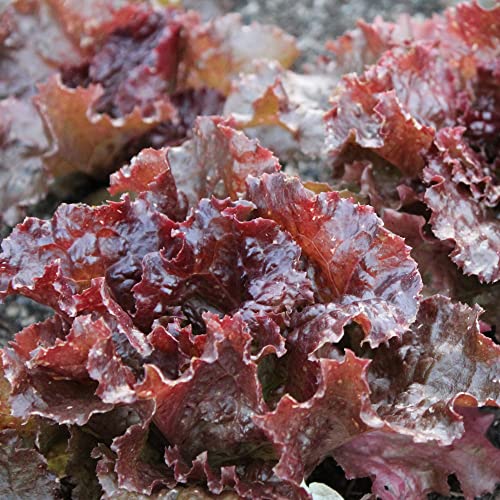
Lettuce Seeds, Leaf - Red Sails - Organic -- 1 g Packet ~893 Seeds -- Lactuca sativa

🧑🌾 Colorful Cut-and-Come-Again Lettuce: Salad Bowl Red Leaf Lettuce is a productive loose-leaf oakleaf variety known for its deeply lobed red leaves and compact mounding plants. Gardeners can harvest the outer leaves repeatedly, making it ideal for cut-and-come-again harvests throughout the cool season. The tender leaves provide mild flavor and beautiful color for fresh salads and garden meals.
Signs of Maturity
Look for several indicators to determine when red sails lettuce is ready for harvest:
- Leaf Size: Leaves should reach at least 6 to 8 inches in length.
- Color: The deep burgundy color should be vibrant, indicating healthy growth.
- Texture: Leaves feel tender and crisp rather than wilting or limp.
- Growth Form: A full, loose rosette shape appears as the plant matures, signifying optimal harvest readiness.
If these signs are present, your lettuce is primed for picking.
Ideal Harvesting Time
Timing plays a crucial role in ensuring the best taste. Aim for these guidelines:
- Days After Planting: Harvest typically occurs between 45 and 55 days after sowing seeds.
- Morning Harvest: Early morning is the best time for harvesting. Cool temperatures keep leaves crisp and fresh.
- Before Bolting: Harvest before the plant bolts (flowers) as this causes the leaves to become bitter.
Monitoring these factors helps maximize flavor and texture in your salads and dishes.
How to Harvest Red Sails Lettuce
Harvesting red sails lettuce requires attention to detail and the right tools. Follow these steps for the best results.
Recommended Products

Red Leaf Lettuce (Lactuca sativa): Non-GMO heirloom yields large, ruffled deep-red loose-leaf heads with crisp texture and mild nutty flavor; ready in 45–55 days.
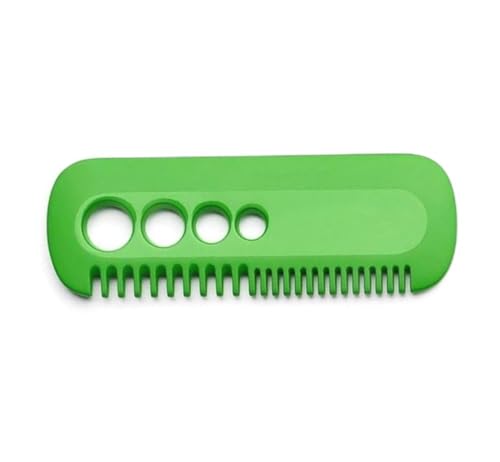
👍👍👍VERSATILE DESIGN: 8 different sized holes for efficiently stripping herbs and leafy greens of various sizes including kale, chard, collard greens, and thyme

✨✨✨VERSATILE DESIGN: Efficiently strips leaves from herbs and vegetables including kale, chard, collard greens, and thyme with multiple sized holes
Tools You’ll Need
Gather these essential tools before starting the harvest:
- Sharp Knife or Garden Scissors: Ensures a clean cut.
- Garden Gloves: Protects your hands while handling plants.
- Basket or Container: Safely collects your harvested lettuce.
- Towel or Cloth: Helps remove excess moisture after washing.
Harvesting Techniques
Employ these methods for a successful harvest:
- Inspect the Lettuce: Check for maturity indicators—leaf size (6 to 8 inches), vibrant color, and a loose rosette shape.
- Choose Time of Day: Harvest in the early morning for optimum crispeness.
- Cut at the Base: Use your knife or scissors to cut the outer leaves at the base. Leave inner leaves for future growth.
- Avoid Bruising: Handle the lettuce gently to maintain its integrity.
- Clean Immediately: Rinse the harvested leaves under cool water to remove dirt. Dry them with a towel or cloth.
- Store Properly: Place the cleaned lettuce in a container or bag, circulating some air to keep it fresh.
Following these steps ensures a bountiful harvest of fresh red sails lettuce, ready to enhance your meals.
Post-Harvest Care
After harvesting red sails lettuce, proper care ensures freshness and flavor. Focus on cleaning and storage for the best results.
Recommended Products

Maximum Lettuce-Drying, Minimum Effort: Use the OXO Salad Spinner's one-handed pump to thoroughly dry greens, beans, even use it as a fruit washer. The salad spinners best rated always include a superior rinse, spin, and dry like ours

One-Touch OXO Salad Spinner: Did you know that OXO invented the one-touch salad spinner? Its one-handed pump gives you maximum drying of lettuce with minimum effort

QUICK & CONVENIENT: Wash and spin-dry salad greens, fruits, and vegetables effortlessly with the Cuisinart 3qt Salad Spinner.
Cleaning and Storing
Start by rinsing the harvested lettuce under cool, running water. This process removes dirt, insects, and other contaminants. Gently shake the excess water off. Next, use a clean towel or salad spinner to dry the leaves thoroughly. Moisture promotes spoilage, so drying is essential.
Store the cleaned lettuce in a plastic bag or airtight container. Add a paper towel inside to absorb moisture. Keep the storage bag loosely sealed to allow airflow. Place it in the refrigerator’s crisper drawer. This cool environment maintains the lettuce’s crispness.
Tips for Longevity
To extend the life of your red sails lettuce, follow these tips:
- Check Regularly: Inspect for any wilting leaves or signs of decay. Remove those promptly to prevent spreading.
- Keep Dry: Ensure moisture levels remain low during storage. If condensation forms, dry the leaves again.
- Avoid Ethylene: Keep it away from fruits like apples and bananas. These fruits produce ethylene gas, which speeds up spoilage.
- Use Quickly: Consume within a week for optimal freshness. The taste and texture are best when enjoyed soon after harvesting.
Following these care instructions helps retain the quality of your red sails lettuce, ensuring every bite stays delicious.
Conclusion
Harvesting red sails lettuce can be a rewarding experience. By following the right techniques and timing you’ll enjoy the best flavor and texture this vibrant green has to offer. Remember to keep an eye on those lovely frilly leaves and check for the signs of maturity.
Once you’ve gathered your harvest be sure to handle it gently and store it properly to keep it fresh. With a little care you can savor the delicious taste of your homegrown lettuce in salads and dishes throughout the week. Enjoy your gardening journey and the delightful meals that come from it!
Frequently Asked Questions
What is red sails lettuce?
Red sails lettuce is a variety of loose-leaf lettuce known for its frilly, deep burgundy leaves. It’s prized for its sweet, mild flavor and tender texture, making it an excellent choice for fresh salads and dishes.
When should I harvest red sails lettuce?
Harvest red sails lettuce between 45 and 55 days after planting. Look for leaves that are 6 to 8 inches long and have a vibrant color. Early morning is the best time to harvest for maximum crispness.
What tools do I need to harvest red sails lettuce?
Essential tools for harvesting red sails lettuce include a sharp knife or garden scissors, garden gloves, a basket for collection, and a towel or cloth for drying the leaves after washing.
How do I harvest red sails lettuce properly?
To harvest, inspect the lettuce for maturity, cut the outer leaves at the base, and leave the inner leaves for future growth. Handle the leaves gently to avoid bruising, and clean them immediately after cutting.
How should I store harvested red sails lettuce?
Store harvested red sails lettuce in a plastic bag or airtight container with a paper towel to absorb moisture. This helps maintain freshness. Rinse and dry it thoroughly before storage to prevent spoilage.
What are the nutritional benefits of red sails lettuce?
Red sails lettuce is low in calories and rich in vitamins A and K. It also contains antioxidants and has a high water content (about 95%), which contributes to hydration while enhancing the nutritional value of your meals.
