

Have you ever reached for that head of romaine lettuce in your fridge only to wonder if it’s still good to eat? You’re not alone. Many people face the same dilemma, unsure of when to toss it out or keep it for another salad.
Key Takeaways
- Signs of Spoilage: Look for color changes (yellowing or browning), texture issues (limp or slimy leaves), and unpleasant odors as key indicators of bad romaine lettuce.
- Smell and Taste Tests: Fresh romaine should have a crisp, mild scent and a slightly sweet taste. Bitter or sour flavors signal spoilage.
- Proper Storage Techniques: Store romaine in the refrigerator, in the vegetable crisper, wrapped in paper towels, and in a perforated bag to retain moisture and prevent spoilage.
- Shelf Life Awareness: Romaine lettuce typically lasts 5 to 7 days when stored correctly. Regularly check for decay and trim any discolored leaves.
- Health Risks: Consuming spoiled romaine can lead to foodborne illnesses caused by harmful bacteria like E. coli and Salmonella. Recognizing spoilage is crucial for food safety.
- Symptoms of Consumption: Be aware that eating spoiled lettuce can cause nausea, vomiting, diarrhea, stomach cramps, and fever, requiring medical attention if symptoms persist.
Signs of Bad Romaine Lettuce
To ensure you consume only fresh romaine lettuce, look for specific signs of spoilage. These indicators help you determine when it’s time to toss your lettuce and avoid potential health risks.
Recommended Products

Keep your produce fresh for longer: The PrepSolutions Lettuce Keeper keeps your produce fresh with an adjustable air vent and water reservoir, creating the ideal environment for fresh fruits and vegetables. Item measures 12.5" W x 7.25" D x 5.25" H and weighs 1.14 lbs.

KEEP PRODUCE FRESHER LONGER: Rubbermaid FreshWorks Produce Saver uses FreshVent technology to regulate airflow, so your produce stays fresher longer.
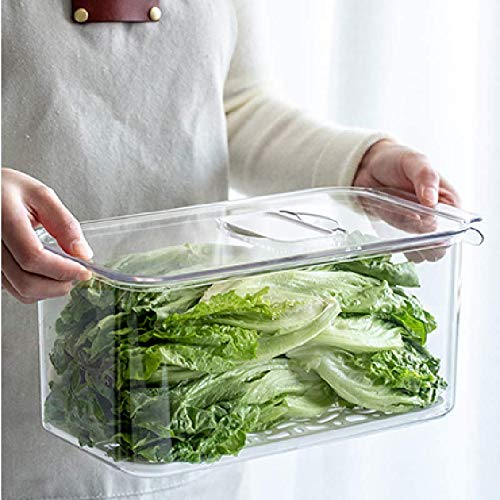
Note: NOT dishwasher safe! NOT for microwave oven! Working celsius temperature -30℃~60℃,suitable for refrigerator and freezer.
Color Changes
Healthy romaine lettuce displays a bright green hue. When the leaves begin to yellow or brown, it signals that the lettuce is no longer fresh. Spots or dark patches indicate decay. If the entire head becomes wilted and lacks vibrant color, consider discarding it.
Texture Issues
Fresh romaine lettuce feels crisp and crunchy. If the leaves appear limp, soggy, or have a slimy coating, these textures indicate spoilage. Additionally, check for any wilting, which suggests the lettuce has lost its freshness. Toss any heads with obvious texture problems to ensure a quality eating experience.
Smell and Taste Indicators
Romaine lettuce can show signs of spoilage through its smell and taste. Recognizing these indicators helps you decide whether or not to use the lettuce.
Unpleasant Odors
Fresh romaine lettuce has a crisp, mild scent. If your lettuce smells pungent, sour, or rotten, it’s time to discard it. These unpleasant odors indicate microbial growth or decay. Trust your nose—if it smells off, it probably is.
Off Taste
When you take a bite, fresh romaine should taste crisp and slightly sweet. If you notice any bitterness, sourness, or an unusual aftertaste, it’s best to throw it away. Off flavors suggest that the lettuce has begun to spoil and may not be safe to eat. Always choose safety over taste.
Storage Guidelines
Storing romaine lettuce properly helps maintain its freshness and prevents spoilage. Follow these guidelines to keep your romaine lettuce in top condition.
Proper Refrigeration
Refrigerate romaine lettuce as soon as possible. Store it in the vegetable crisper drawer, where humidity levels help retain moisture. Avoid placing it near ethylene-producing fruits like apples and bananas, as they accelerate spoilage.
Wrap romaine heads loosely in paper towels to absorb excess moisture. Then, put the wrapped lettuce in a perforated plastic bag or container to allow airflow. If you’ve already cut the lettuce, store it in an airtight container lined with paper towels for added freshness.
Shelf Life Tips
Romaine lettuce generally lasts about 5 to 7 days when stored correctly. To maximize its shelf life, check your lettuce regularly for any signs of decay. Trim off any wilted or discolored leaves promptly to prevent them from affecting the rest of the head.
Consider using lettuce saver containers, which can help regulate moisture and air, extending freshness. If you’re unsure about its condition, use the smell and texture tests you already know. Consuming it by the end of the week will ensure you enjoy its best flavor and crispness.
Safety and Health Risks
Consuming spoiled romaine lettuce poses significant health risks. It’s essential to recognize these risks to ensure food safety.
Foodborne Illnesses
Romaine lettuce can harbor harmful bacteria such as E. coli and Salmonella. These bacteria thrive in conditions that allow the lettuce to spoil. If you notice any signs of spoilage, like sliminess or strong odors, discarding the lettuce prevents potential infections. The Centers for Disease Control and Prevention (CDC) report that outbreaks related to contaminated leafy greens occur frequently. Ensuring proper storage and freshness of your romaine can mitigate these risks effectively.
Symptoms of Consumption
If you mistakenly consume spoiled romaine lettuce, symptoms may arise. Common signs of foodborne illness include:
- Nausea
- Vomiting
- Diarrhea
- Stomach cramps
- Fever
Most symptoms emerge 1 to 3 days after consuming contaminated food. Symptoms can vary in severity, so seeking medical attention is crucial if symptoms persist or worsen. To safeguard your health, always assess the freshness of romaine lettuce before eating. Store it properly and recognize signs of spoilage to maintain your well-being.
Conclusion
Knowing when romaine lettuce has gone bad is essential for your health and enjoyment. By keeping an eye on color texture and smell you can easily determine its freshness. If you spot any signs of spoilage don’t hesitate to toss it out.
Remember that proper storage can help extend the life of your lettuce so be sure to refrigerate it correctly. Your well-being is worth the extra effort. Enjoy your meals with fresh ingredients and stay safe from potential foodborne illnesses. With a little attention you can keep your romaine lettuce crisp and delicious for as long as possible.
Frequently Asked Questions
How can I tell if romaine lettuce is fresh?
Fresh romaine lettuce looks vibrant green without yellowing or browning. Check for crisp leaves and avoid any with dark spots, limp texture, or sliminess, indicating spoilage.
What signs indicate spoiled romaine lettuce?
Signs of spoilage include yellowing leaves, dark spots, limp or slimy texture, and unpleasant odors. If it smells sour or rotten, it’s best to discard it.
Can I still eat romaine lettuce with slight browning?
If the romaine has slight browning but remains mostly green and crisp, you may be able to trim off the brown parts. However, if it’s slimy or smells bad, it’s safer to discard it.
How should I store romaine lettuce to keep it fresh?
Store romaine lettuce in the refrigerator’s vegetable crisper drawer, wrapped loosely in paper towels. Avoid placing it near ethylene-producing fruits to extend its freshness.
How long does romaine lettuce last in the fridge?
With proper storage, romaine lettuce can last about 5 to 7 days in the fridge. Regularly check for signs of decay to ensure freshness.
What health risks are associated with spoiled romaine lettuce?
Spoiled romaine lettuce may harbor harmful bacteria like E. coli and Salmonella, leading to foodborne illnesses. Symptoms can include nausea, vomiting, diarrhea, and stomach cramps.
What should I do if I experience symptoms after eating spoiled lettuce?
If you experience symptoms like nausea, vomiting, or diarrhea after consuming spoiled romaine lettuce, seek medical attention, especially if symptoms are severe or persistent.
