

Have you ever thought about growing your own lettuce but felt unsure where to start? It’s a common challenge for many home gardeners. You might wonder if you have enough space or if it’s too complicated. The good news is that growing lettuce outside is easier than you think, even for beginners.
Key Takeaways
- Choose the Right Location: Select a spot with at least 6 hours of sunlight daily and good airflow to optimize lettuce growth.
- Prepare Your Soil: Aim for a soil pH of 6.0 to 7.0 by incorporating organic matter and ensuring proper drainage for healthy lettuce plants.
- Select Varieties Wisely: Experiment with different types of lettuce, such as Leaf, Butterhead, and Romaine, considering space and growth characteristics.
- Planting Techniques Matter: Sow lettuce seeds at the right depth and spacing, and thin seedlings for optimal nutrient access.
- Regular Care is Essential: Maintain consistent moisture, fertilize as needed, and monitor for pests to promote robust plant health.
- Harvest at the Right Time: Check leaf size, color, and texture to determine readiness for harvest, and use proper techniques to retain freshness.
Preparing Your Garden For Lettuce
Preparing your garden for growing lettuce involves careful planning and attention to detail. Proper preparation sets the stage for a successful harvest.
Recommended Products

Quick, at home results for Soil pH, Nitrogen, Phosphorous and Potash Innovative and inexpensive soil test kit features an easy-to-use capsule system and patented color comparators

Comprehensive Soil Analysis: Liquid soil test kits offer a comprehensive analysis of essential soil parameters, including pH, ammonia, nitrogen, phosphorus, and potassium. Having all these measurements in one kit provides a holistic understanding of the soil's fertility and health.

KNOW BEFORE YOU GROW | Grow the healthiest, sustainable lawn and garden with the most accurate and easy to use professional soil test kit on the market
Choosing The Right Location
Select a location that receives at least 6 hours of sunlight each day. Lettuce grows best in areas with good airflow and protection from harsh winds. Look for spots near taller plants that can offer shade during the hottest parts of the day. Ensure the land has gentle slopes to facilitate drainage, preventing waterlogging.
Soil Preparation
Test your soil pH; lettuce thrives in slightly acidic to neutral soil, ideally between 6.0 and 7.0. Improve your soil by mixing in organic matter like compost or well-rotted manure. Aim for a loose, well-drained texture that retains moisture without becoming soggy. Adding a balanced fertilizer boosts nutrient levels, providing essential elements like nitrogen, phosphorus, and potassium for optimal growth. Rake the area to eliminate debris and break up large clumps, creating an even surface for planting.
Selecting Lettuce Varieties
Choosing the right lettuce varieties sets the foundation for a successful outdoor garden. Several types of lettuce offer unique flavors and textures. Here are the main varieties to consider:
Recommended Products
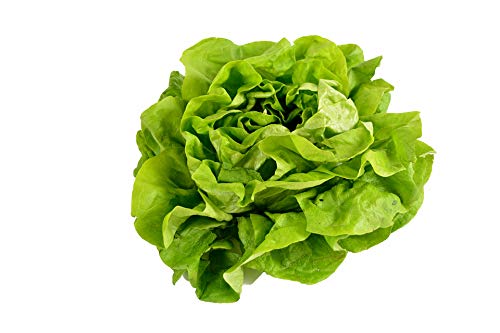
This lettuce is well known for its sweet flavor. Best if harvested in the morning.

YEAR-ROUND GARDEN FAVORITE – Dependable butterhead lettuce that thrives in cool or moderate weather for consistent harvests from spring through fall, even under cover in winter

10 LETTUCE VARIETIES – Lettuce (Lactuca sativa) varieties for your garden, including Buttercrunch, Green Salad Bowl, Iceberg, Lolla Rossa, Oakleaf, Parris Island Romaine, All the Year Round, Black Seeded Simpson, Red Romaine, and Red Salad Bowl
Leaf Lettuce
Leaf lettuce features loose leaves that come in various colors and shapes. It’s quick-growing and can thrive in cooler weather. Some popular leaf lettuce varieties include:
- Red Leaf: This variety adds color to your salad and has a mild flavor.
- Green Leaf: Known for its tender texture, it offers a slightly sweet taste.
- Oak Leaf: With its distinctive lobed leaves, it provides a crunchy addition to salads.
To ensure success, space leaf lettuce plants about 6 to 12 inches apart. Regularly harvest the outer leaves, allowing the inner ones to continue growing.
Butterhead Lettuce
Butterhead lettuce is prized for its soft, buttery leaves. Its delicate texture makes it perfect for salads or sandwiches. Well-known types are:
- Boston: This classic variety has a soft heart and a sweet flavor.
- Bibb: Smaller than Boston, Bibb lettuce has a slightly nutty taste and tender leaves.
Plant butterhead lettuce about 12 inches apart for optimal growth. Provide some shade during hot weather to prevent bolting.
Romaine Lettuce
Romaine lettuce, often used in Caesar salads, features tall, crisp leaves. Its sturdy structure holds dressings well. Notable types include:
- Parris Island: A vigorous grower with a robust flavor, thriving in various climates.
- Little Gem: This compact variety offers a sweet, crunchy texture that’s perfect for small spaces.
Space romaine lettuce about 12 inches apart, as they require room to grow tall. Keep the soil consistently moist for the best results.
Planting Lettuce Seeds
Planting lettuce seeds requires attention to timing and technique to ensure a successful crop. Follow these guidelines for the best results.
When To Plant
Plant lettuce seeds in early spring or late summer, depending on your local climate. Ideal soil temperatures for germination are between 60°F and 70°F. If you want a continuous harvest, stagger your planting every two to three weeks. This approach helps to ensure you always have fresh lettuce available. Monitor the weather, as lettuce prefers cooler conditions and may bolt in heat.
- Choose a Suitable Location: Select a spot with full sun to partial shade. Lettuce prefers cooler areas, especially in warmer months.
- Prepare the Soil: Loosen the soil to a depth of at least 12 inches and mix in compost or well-rotted manure to provide nutrients.
- Sow the Seeds: Create rows or scatter seeds in your prepared area. Plant seeds about 1/4 inch deep and space them 1 inch apart.
- Thin the Seedlings: Once seedlings emerge and reach 2 inches in height, thin them to a spacing of 6 to 12 inches, depending on the lettuce variety. This process reduces competition for nutrients.
- Water Gently: Water the area immediately after planting and keep the soil consistently moist. Avoid overwatering, which can cause seeds to rot.
- Protect from Pests: Use row covers if necessary to shield young plants from insects and other pests.
By following these planting guidelines, you can promote healthy growth and enjoy a bountiful lettuce harvest.
Caring For Your Lettuce Plants
Caring for your lettuce plants involves consistent attention to watering, fertilization, and pest control. Proper management in these areas ensures a thriving harvest.
Recommended Products

Comprehensive Small Garden Tools: Our indoor garden kit Not only for succulents, but also suitable for bonsai plants, cactus and most of indoor small plants. The mini garden tools set meets your various gardening needs like potting mat, digging, watering, loosening soil, transplanting, cleaning, pruning, weeding, etc. Lightweight, Easy carry and wash after every use. Just pat dry.

ALL-IN-ONE SUCCULENT TOOLS SET: This succulent tools kit contins all the essentials:1 water bottle(250 ml),1 Cleaning brush,1 Pair of curved tip tweezers,1 pair of straight tip tweezers,1 Leaf trimmer,1 Air dust blower,2 Transplanting tools,2 Bucket shovel set,3 Rake spade shovel.
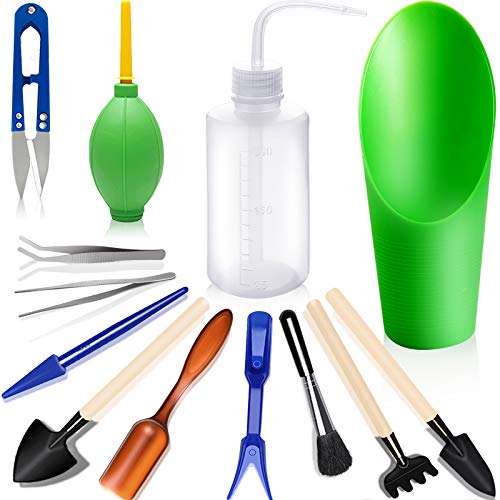
➤ 【 HIGH QUALITY MATERIAL 】Made of wood and iron, wooden handle is convenient for gardening, iron heads provide the shovel rake spade good using sense after using for many times
Watering Guidelines
Water your lettuce regularly, aiming for consistent moisture in the soil. Lettuce prefers 1 to 1.5 inches of water each week.
- Water early in the morning for optimal absorption and to reduce evaporation.
- Use drip irrigation or soaker hoses to deliver water directly to the roots, minimizing fungal diseases.
- Monitor soil moisture using your finger; if it feels dry 1 inch down, it’s time to water.
Fertilization Tips
Fertilization supports strong growth and nutrient-rich leaves. Begin fertilizing about two weeks after sowing seeds.
- Use a balanced, water-soluble fertilizer at half strength.
- Apply every two to three weeks, especially if plants show signs of nutrient deficiency, like yellowing leaves.
- Consider well-composted organic matter before planting for steady nutrient release.
Pest Control
Pest control helps protect your lettuce from common threats like aphids, slugs, and caterpillars. Early intervention is crucial.
- Inspect plants regularly for pests. Look under leaves and at the base of plants.
- Use row covers to shield seedlings from flying insects.
- Introduce beneficial insects like ladybugs to naturally combat aphids.
- For slugs, set traps with beer, or sprinkle diatomaceous earth around the plants for a natural barrier.
Following these guidelines helps you nurture your lettuce plants effectively, promoting their health and maximizing your harvest.
Harvesting Lettuce
Harvesting lettuce involves knowing when and how to pick your crop for optimal freshness and flavor. Timing plays a crucial role in ensuring you enjoy a bountiful yield.
Signs Of Readiness
Look for these indicators to determine if your lettuce is ready for harvest:
- Leaf Size: Leaves should reach a size that is both mature and tender. For leaf varieties, aim for leaves around 6 to 8 inches long.
- Color: A vibrant green or deep red hue signifies health and readiness, depending on the lettuce variety.
- Texture: Leaves should feel crisp and firm, not wilted or slimy. Test a few leaves for the best results.
- Flowering: If you notice your lettuce plants starting to flower, it’s a sign that they’re past their prime. Harvest before flowers fully bloom.
Techniques For Harvesting
Use these effective methods to harvest your lettuce:
- Cutting: For leaf lettuce, use scissors or a sharp knife to cut the leaves about 1 inch above the soil level. This technique encourages new growth.
- Pulling: For full heads like butterhead or romaine, grip the base firmly and pull gently to remove the entire plant. Be cautious not to disturb surrounding plants.
- Twisting: Twist the plant lightly at the base if it’s stubborn. This method can help detach it without damaging adjacent plants.
- Washing and Drying: After cutting, rinse the lettuce gently in cold water. Use a salad spinner or shake off excess water to keep leaves crisp.
- Storing: Place harvested leaves in a breathable bag in the fridge. Consume within a week for maximum freshness.
These methods ensure that you enjoy the fruits of your labor in the best possible condition.
Conclusion
Growing lettuce outside can be a rewarding experience that brings fresh flavors right to your table. With the right planning and care you can enjoy a bountiful harvest. Remember to pay attention to the signs of readiness and use the proper harvesting techniques to keep your lettuce at its best.
Once you’ve harvested your crop don’t forget to wash and store it properly to maintain that crisp freshness. So grab your gardening tools and get started on your lettuce journey. You’ll love the taste of homegrown greens and the satisfaction of nurturing your own garden. Happy gardening!
Frequently Asked Questions
How do I start growing lettuce at home?
To start growing lettuce, choose a suitable location with partial to full sun. Prepare the soil by ensuring it’s well-draining and enriched with organic matter. Select your desired lettuce variety, and sow seeds directly into the prepared soil or start them indoors. Water consistently and monitor for pests.
What are the different types of lettuce I can grow?
You can grow several types of lettuce including Leaf Lettuce, Butterhead Lettuce, and Romaine Lettuce. Each type has unique flavors and textures, offering a variety of options for salads and other dishes.
When is the best time to harvest lettuce?
The best time to harvest lettuce is when leaves reach a suitable size—typically 6-8 inches for leafy types. Check for vibrant color and firm texture. For head types, wait until the heads feel firm. Avoid harvesting when lettuce starts to flower.
What are effective harvesting techniques for lettuce?
Use different techniques based on the type of lettuce. For leaf lettuce, cut leaves about an inch above the soil. For full heads, gently pull them from the ground, and for stubborn plants, twist them out. Always harvest in the morning for best results.
How should I wash and store harvested lettuce?
After harvesting, wash the lettuce thoroughly in cold water to remove dirt and pests. Spin or pat dry gently with a towel. Store the lettuce in a perforated plastic bag or wrapped in damp paper towels in the refrigerator to maintain freshness.
