

Have you ever wondered if you can grow your own romaine lettuce from that bunch you bought at the store? You’re not alone! Many people are looking for simple ways to enjoy fresh greens right from their kitchen. Imagine snipping off a crisp leaf for your salad, knowing you grew it yourself.
Key Takeaways
- Growing from Store-Bought: You can successfully regrow romaine lettuce from fresh store-bought hearts by following simple steps involving water or soil propagation.
- Nutritional Value: Romaine lettuce is rich in vitamins A, C, and K, as well as calcium and potassium, contributing to overall health and hydration.
- Different Varieties: Explore various romaine lettuce types like Green, Red, and Butterhead to match your taste preferences and meal types.
- Care Tips: Maintain consistent watering and ensure your lettuce receives 6-8 hours of sunlight for optimal growth, while monitoring temperature to prevent bolting.
- Harvest Wisely: Recognize signs of maturity, such as leaf size and color, and use proper techniques for harvesting to promote regrowth and maintain freshness.
- Storing Fresh Harvest: After harvesting, wash thoroughly and store in a sealed bag in the refrigerator for up to a week for best quality.
Understanding Romaine Lettuce
Romaine lettuce is a popular choice for home gardening, especially for those starting with store-bought produce. It’s easy to grow, nutritious, and adds a crisp texture to meals.
Nutritional Benefits
Romaine lettuce is packed with nutrients essential for a healthy diet. It offers the following benefits:
- Vitamins: Rich in vitamins A, C, and K, it supports vision, boosts the immune system, and aids in blood clotting.
- Minerals: Contains calcium and potassium, which promote bone health and healthy blood pressure levels.
- Fiber: High in dietary fiber, it aids digestion and helps maintain a healthy weight.
Including romaine lettuce in your diet contributes to overall wellness and hydration, as it contains about 95% water.
Popular Varieties
Several varieties of romaine lettuce exist, each with unique flavors and textures:
- Green Romaine: Common in grocery stores, this variety has a crisp texture and mild flavor, perfect for salads and sandwiches.
- Red Romaine: Known for its vibrant color, red romaine offers a slightly sweeter taste and adds visual appeal to dishes.
- Butterhead Romaine: This variety is less crisp but has a delicate flavor, ideal for wraps or as a base for salads.
Choosing a variety depends on your taste preference and intended use in your meals.
Preparing Store Bought Romaine Lettuce
Growing romaine lettuce from store-bought varieties is a straightforward task. Start by taking care of specific aspects to ensure successful growth.
Recommended Products

Complete Lettuce Garden Starter Kit Indoor – 5 heirloom salad and green seed packets, 8 biodegradable soil disks, 8 plant markers, and 8 starter pots. Romaine, Spinach, Arugula, Kale and Buttercrunch lettuce heirloom seeds are the star of the set!

High Germination Rate: Enjoy a plentiful harvest with our Romaine Lettuce seed pod featuring excellent germination. Fresh, reliable seeds sourced from USA ensure quick sprouting and healthy growth.

Selecting the Right Lettuce
Choose hearts of romaine that are fresh and crisp. Look for firm leaves without any brown spots or signs of wilting. You can select any variety, such as Green Romaine or Red Romaine, depending on your taste preference. Ensure the lettuce has not been chemically treated to prolong shelf life, as these can hinder regrowth.
- Cut the Lettuce: Slice about 1-2 inches off the base of the romaine heart. This part contains the roots necessary for regrowing the plant.
- Fill a Container: Use a shallow dish or bowl and add enough water to submerge the base of the lettuce. Ensure only the cut end sits in the water.
- Position the Container: Place the container in a sunny spot, such as a windowsill, where it receives at least six hours of light each day.
- Change the Water: Refresh the water every 2-3 days to keep it clean and oxygenated. This practice promotes healthy root development.
- Monitor Growth: After a week, you’ll notice roots starting to emerge and new leaves beginning to sprout. Keep an eye on their progress.
Following these preparation steps leads to a thriving plant that you can enjoy soon in your salads.
Growing Romaine Lettuce
Growing romaine lettuce from store-bought varieties is simple and rewarding. With just a few steps, you can enjoy fresh greens right from your own kitchen.
- Water Propagation
- Cut the base of the romaine lettuce, removing 1-2 inches.
- Place the cut end in a shallow dish filled with water.
- Position the dish in a sunny space.
- Change the water every 2-3 days to keep it fresh.
- Expect roots and new leaves to sprout within a week.
- Soil Propagation
- Instead of water, use potting soil.
- Fill a small pot with soil and create a small hole in the center.
- Cut the romaine base to about 1-2 inches long and place it in the hole.
- Water gently to settle the soil.
- Ensure the pot receives indirect sunlight.
- Keep the soil moist and watch for growth in about 10-14 days.
- Direct Garden Planting
- Choose a garden bed with well-draining soil.
- Create furrows and plant multiple romaine hearts about 12 inches apart.
- Cover with soil, water thoroughly, and provide ample sunlight.
- Thin seedlings if necessary, ensuring each plant has enough space to grow.
- Container Growing
- Select a container at least 6-12 inches deep.
- Fill it with quality potting mix.
- Plant romaine hearts 12 inches apart, just below the soil surface.
- Water consistently and monitor sunlight exposure, ideally 6-8 hours daily.
By using these methods, you can successfully grow romaine lettuce, guaranteeing a steady supply for your salads and meals.
Recommended Products

【All-in-One Hydroponic Garden Kit】This Romaine seed pod kit has everything to kickstart your hydroponic gardening journey: A packet of Romaine Lettuce seeds, 12 grow sponges, 12 plant baskets, 12 grow domes, 12 pod labels and 1 Tweezers.(Contains no plant foods)

Heirloom Non-GMO Seeds: seed pod kit contains 6 kinds of lettuce seeds, they are Red&Green Leaf Lettuce, Romaine, Butter Head, Bibb Lettuce, Boston Lettuce, Buttercrunch Lettuce. Various kinds of lettuce seeds, each one is rich in nutritional value. 100% Non-GMO, open pollinated

Heirloom Non-GMO Seeds: The seed pod kit contains 6 kinds of lettuce seeds, they are Red&Green Leaf Lettuce, Romaine, Butter Head, Black Seeded Simpson, Red Sail, Marvel of 4 Seasons. Various kinds of lettuce seeds, each one is rich in nutritional value. 100% Non-GMO, open pollinated
Caring for Your Romaine Lettuce
Caring for your romaine lettuce ensures healthy growth and a bountiful harvest. Follow these guidelines for optimal results.
Recommended Products
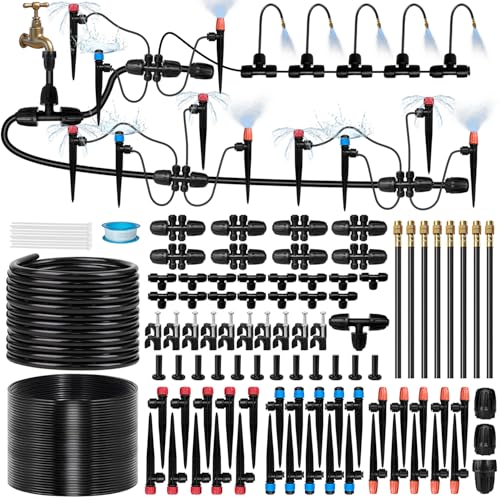
【Upgraded Tube Design & Water Saving】 Our garden watering system is upgraded to 1/2” diameter to support high water pressure. The 1/2” tee connector allows seamless splitting into 2 independent zones for customized watering schedules. By delivering moisture directly to root zones, this drip Irrigation system significantly reduces evaporation and runoff—saving more water compared to conventional sprinklers while eliminating the need for manual watering.

Automatic Drip Irrigation System Kit: The universal connector adapts to different tubing sizes with a secure, leak-free fit; the dual-channel connector splits a single line into two separate watering paths for multi-zone irrigation. The garden bed watering system includes 100FT 1/4" Water Pipe, Cable Ties x 24, Universal Connector x 1, Dual Channel Connector x 1, Quick Tees x 24, Sealing Tape x 1, Fixing Clips x 24, End Plus x 4, and Brass Nozzles x 24. Simply unbox and start building automatic misting system.
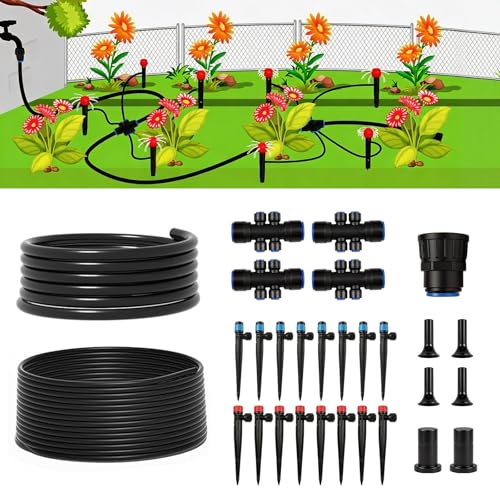
TRUE QUICK CONNECT – NO LEAKS, NO STRUGGLE: Unlike traditional kits that require twisting and force-fitting, our quick-connect design lets you simply push tubing into place. Secure, leak-resistant connections every time — no tools needed.
Watering Guidelines
Water your romaine lettuce consistently. Keep the soil evenly moist but not soggy. Aim for about 1-2 inches of water per week, adjusting for weather conditions. During hot days, check the soil every few days; if it feels dry an inch below the surface, it’s time to water. Ensure excess water can drain to prevent root rot. Using a drip irrigation system or a soaker hose works well for this purpose.
Sunlight and Temperature Requirements
Romaine lettuce thrives in full sunlight. Aim for at least 6-8 hours of direct sun daily. If growing indoors, a south-facing window often provides ideal exposure. Keep the temperature between 60°F and 70°F for optimal growth. If temperatures rise above 75°F, consider providing some shade to prevent bolting. Using shade cloth during hot weather can help maintain cooler conditions for your plants.
Harvesting Romaine Lettuce
Harvesting romaine lettuce requires attention to its growth stages for the best flavor and texture. You’ll need to identify when your lettuce is ready to enjoy.
Signs of Readiness
Look for these indicators to determine if your romaine lettuce is ready for harvest:
- Size: The leaves should be around 6-8 inches long. Larger leaves generally indicate maturity.
- Color: A vibrant, rich green color signifies that the lettuce is healthy. Avoid browning tips.
- Texture: Firm leaves suggest optimum freshness. Soft or wilted leaves are signs of overripe lettuce.
- Time Frame: If you’ve grown your lettuce for about 30-70 days, it’s likely time to check for readiness.
Proper Harvesting Techniques
Use the following steps to harvest your romaine lettuce effectively:
- Choose a Time: Harvest early in the morning or late in the afternoon when temperatures are cooler. This helps retain moisture.
- Select the Right Tools: Use a sharp knife or garden scissors for a clean cut. Avoid tearing the leaves.
- Cut the Base: Trim the lettuce about an inch above the base. Leave a portion of the stem to encourage regrowth.
- Handle with Care: Gently shake off any excess soil. Place the harvested lettuce in a cool, shaded area to reduce wilting.
- Store Properly: Rinse the leaves in cool water and dry thoroughly. Store in a sealed plastic bag in the refrigerator for up to a week.
By understanding these signs and techniques, you’ll enjoy fresh romaine lettuce straight from your home garden.
Conclusion
Growing romaine lettuce from store-bought hearts is a rewarding experience that brings fresh flavor to your meals. With just a little care and attention you can enjoy the satisfaction of harvesting your own greens right from your kitchen.
Whether you choose water propagation or soil planting each method offers its own set of benefits. By following the tips on watering sunlight and harvesting you’ll be well on your way to a thriving crop.
So grab those romaine hearts and get started on your gardening journey. You’ll love the taste of homegrown lettuce and the joy of nurturing your plants. Happy gardening!
Frequently Asked Questions
Can I grow romaine lettuce from a store-bought bunch?
Yes, you can grow romaine lettuce from a store-bought bunch. Simply cut the base of the lettuce, place it in water, and keep it in a sunny spot. Within a week, you should see roots and new leaves sprouting.
How do I propagate romaine lettuce in water?
For water propagation, cut 1-2 inches off the base of the romaine lettuce and place it in a shallow dish of water. Change the water every 2-3 days to promote healthy root development until new growth appears.
What soil is best for growing romaine lettuce?
A well-draining potting mix is ideal for growing romaine lettuce. Look for organic mixes that retain moisture while allowing excess water to escape, preventing root rot.
How much sunlight does romaine lettuce need?
Romaine lettuce thrives in full sunlight, requiring about 6-8 hours of light each day. Ensure it receives adequate light to promote healthy growth.
What are the signs that romaine lettuce is ready to harvest?
Romaine lettuce is ready to harvest when leaves are 6-8 inches long, have a vibrant green color, and exhibit a firm texture. Harvest during cooler parts of the day for best results.
How often should I water romaine lettuce?
Water romaine lettuce consistently, providing about 1-2 inches of water per week. It’s best to use a drip irrigation system to keep the soil moist without overwatering.
How should I store harvested romaine lettuce?
To store harvested romaine lettuce, keep it in a cool, dry place. Wrap it in a damp paper towel, place it in a plastic bag, and refrigerate to maintain freshness for up to a week.
What varieties of romaine lettuce can I grow?
Popular varieties of romaine lettuce include Green Romaine, Red Romaine, and Butterhead Romaine. Each offers unique flavors and textures, making them versatile for various dishes.
