

Are you eager to grow your own fresh lettuce but unsure when to get started in zone 6? You’re not alone! Many gardeners find themselves puzzled by the best planting times for this popular leafy green.
Key Takeaways
- Understanding Growing Zones: Zone 6 is ideal for cool-season lettuce as it experiences winter lows between 0°F and -10°F, allowing for effective planting schedules.
- Planting Times: Plant lettuce in early spring (4-6 weeks before the last frost) and late summer (mid-August to early September) to maximize harvest opportunities.
- Recommended Varieties: Choose suitable types like Butterhead, Romaine, and Looseleaf for better growth and resilience in zone 6 conditions.
- Soil Preparation: Ensure good soil quality by achieving a pH of 6.0 to 7.0, incorporating organic matter, and selecting a well-drained location with full sun exposure.
- Consistent Watering: Maintain consistent moisture by watering deeply about once a week and using mulch to retain moisture and suppress weeds.
- Pest Management: Regularly monitor for pests like aphids and snails, and use organic methods to manage infestations effectively while promoting healthy growth.
Understanding Lettuce Growing Zones
Lettuce thrives in specific growing zones, which help you determine the best planting times. USDA zones classify areas based on climate, particularly average winter temperatures. Zone 6 includes regions with winter lows between 0°F and -10°F, making it suitable for cool-season crops like lettuce.
Ideal Planting Times
In zone 6, you can plant lettuce in early spring and again in late summer for fall harvests. Here’s a breakdown:
- Spring Planting: Start seeds indoors in late winter, around 4 to 6 weeks before the last frost date, typically mid-March to early April. Transplant outdoors 2 to 3 weeks before the last frost.
- Fall Planting: Sow seeds in late summer, around mid-August to early September. This allows the lettuce to mature before frost arrives.
Varieties to Consider
Certain lettuce varieties perform better in zone 6’s climate. Some recommended options include:
- Butterhead: Known for its tender leaves and sweet flavor.
- Romaine: Offers a crunchy texture and holds up well in heat.
- Looseleaf: Grows quickly and is great for frequent harvesting.
Soil Preparation
Good soil promotes healthy lettuce growth. Follow these steps for optimal soil conditions:
- Choose Location: Select a spot with full sun or partial shade.
- Test Soil: Use a soil test kit to check pH levels; ideally, aim for pH 6.0 to 7.0.
- Amend Soil: Incorporate organic matter, such as compost, to enhance fertility and drainage.
Watering and Maintenance
Lettuce requires consistent moisture for best results. Consider these tips:
- Irrigation: Water deeply once a week, adjusting based on rainfall. Aim for about 1 inch of water weekly.
- Mulching: Apply a layer of mulch to retain moisture and suppress weeds.
- Pest Management: Monitor for pests like aphids or snails and manage them promptly.
By understanding your zone and these guidelines, you can enjoy a bountiful lettuce harvest in zone 6.
Optimal Planting Times for Zone 6
Planting lettuce in zone 6 requires careful timing. Understanding the right times for planting ensures a healthy and bountiful harvest.
Recommended Products

Complete Lettuce Garden Starter Kit Indoor – 5 heirloom salad and green seed packets, 8 biodegradable soil disks, 8 plant markers, and 8 starter pots. Romaine, Spinach, Arugula, Kale and Buttercrunch lettuce heirloom seeds are the star of the set!

100% USA-Grown & Non GMO: This diverse collection features 32 carefully chosen varieties of no-additives heirloom seeds for planting vegetables, herbs, fruits and flowers, including nightshades, cabbage, cucumber, spinach, lettuce, dill, cosmos, sunflower etc. This survival garden seed kit offers a stable harvest to those looking for self-sufficiency gardening.

POLLINATOR PARADISE: Over 20000 wildflower seeds create thriving habitats for monarchs, bees and hummingbirds; Perfect blend of milkweed seeds for monarch butterflies and nectar-rich flowers; Creates vibrant meadows and beds while supporting essential biodiversity
Spring Planting Considerations
For spring planting, start your lettuce indoors by mid to late winter. Aim for 4-6 weeks before the last expected frost. Transplant seedlings outdoors once soil temperatures reach around 50°F. This typically happens in early to mid-April in zone 6, depending on local climate variations. Cover the seedlings with row covers to protect them from any late frost.
Select fast-growing varieties like Butterhead or Looseleaf for spring. These types mature quickly, enabling you to harvest often. To enhance growth, keep the soil consistently moist and provide full sun exposure.
Fall Planting Considerations
For fall planting, sow seeds directly in the ground by late summer, generally around mid-August. This timing allows your lettuce to grow until the first frost, typically in late October. Choose heat-resistant varieties like Romaine for improved performance in late-season heat.
Create a shady spot during the hottest part of summer to help seedlings cope with heat stress. Water consistently to avoid stress on the plants. Mulching around the plants helps retain moisture and suppress weeds, promoting healthier growth.
Types of Lettuce Suitable for Zone 6
Lettuce grows well in zone 6, offering several varieties that thrive in the cooler temperatures. Here are suitable types to consider:
Recommended Products

🥬 Heat-Tolerant Upright Romaine: Jericho Romaine Lettuce (Lactuca sativa) forms tall, sturdy heads with crisp ribs and tender, mildly sweet leaves. Known for its strong heat tolerance compared to many romaine varieties, it grows 18–24 inches tall and delivers reliable harvests in extended spring and early summer conditions.

Beautiful - Large individual packets of Buttercrunch, Jericho, Iceberg, Green Salad Bowl, Little Gem, Red Romaine, Black-Seeded Simpson, All The Year Round, Red Salad Bowl, and Lolla Rosa Lettuce Seed; A wonderful variety of shapes and colors for your salad bowl. Minimum of 600mg per packet.

Red Romaine: Features vibrant red-tinged leaves with green bases, offering a mild, slightly sweet flavor and crisp texture ideal for salads and garnishes.
Leaf Lettuce Varieties
- Looseleaf: This variety is quick to mature, allowing for multiple harvests. Its tender leaves add a crunchy texture to salads.
- Red Romaine: This variety provides vibrant color and a robust flavor, making it a favorite in many gardens.
- Butterhead: Known for its sweet, buttery leaves, Butterhead is an excellent choice for a smooth salad base.
- Iceberg: Popular for its crisp texture, Iceberg is ideal for those who prefer fresh, crunchy salads.
- Romaine: This variety withstands heat better than others, giving you a longer growing season.
- Boston: A type of Butterhead, Boston lettuce offers large, tender heads, perfect for sandwiches or salads.
Choosing the right lettuce varieties for your zone will lead to a healthier, more productive garden.
Tips for Successful Lettuce Cultivation
Cultivating lettuce in zone 6 involves specific techniques for the best results. Follow these tips to ensure a thriving lettuce garden.
Recommended Products
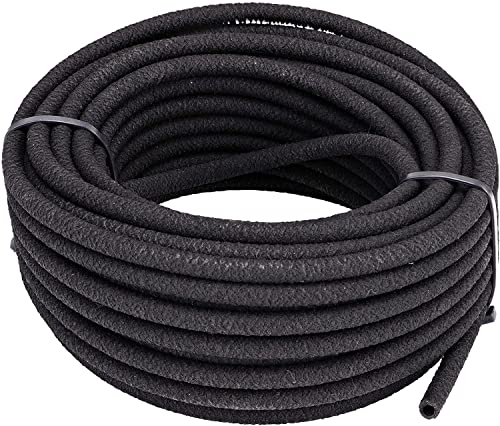
Slowly waters the soil around your plants for complete root zone hydration; Ideal for short runs on flat surfaces, such as vegetable gardens, borders, and around small plants

【Even & Consistent Root Watering】Features micro-pore seepage technology that distributes water evenly along the entire hose, transforming spot watering into uniform line watering directly to plant roots. Unlike traditional drip irrigation systems with clog-prone emitters, this soaker hose creates a continuous moisture band for healthier, deeper-rooted plants

COMPLETE 2-IN-1 SYSTEM:All-in-One Solution: This premium kit combines a soaker hose and distribution tubing with connectors, stakes, and a 2-way splitter. Easily build a fully customized, automated micro-dripping system without extra hardware store trips.
Soil Preparation
Prepare your soil for optimal lettuce growth. Test the soil pH, aiming for a range of 6.0 to 7.0. Amend the soil with organic matter, like compost, to improve texture and fertility. Ensure the location receives full sun for at least six hours daily. Before planting, till the soil to a depth of 12 inches, breaking up any clumps.
Watering and Maintenance
Water your lettuce consistently. Aim for about 1 inch of water per week, adjusting based on rainfall. Use drip irrigation or soaker hoses to maintain consistent moisture without wetting the foliage, which reduces disease risk. Mulch around the plants to retain soil moisture and regulate temperature. Monitor for pests, such as aphids and slugs. Use organic pest control methods to manage infestations while protecting your plants. Regularly harvest your lettuce, picking leaves as needed to encourage continued growth.
Conclusion
Growing lettuce in zone 6 can be a rewarding experience when you know the right times to plant. By starting your seeds indoors in late winter and transplanting them outdoors as the frost fades you can enjoy fresh lettuce from early spring to late summer.
Remember to choose the right varieties for each season and keep an eye on soil conditions and moisture levels. With a little care and attention you’ll have a delicious harvest to enjoy in salads and sandwiches. Happy gardening and may your lettuce thrive!
Frequently Asked Questions
What is the best time to plant lettuce in zone 6?
Lettuce should be planted in early spring and late summer for optimal growth in zone 6. In spring, start seeds indoors in late winter and move them outdoors in early to mid-April. For fall harvests, sow seeds around mid-August to ensure maturity before the first frost.
What types of lettuce grow well in zone 6?
Several types of lettuce thrive in zone 6, including Looseleaf, Red Romaine, Butterhead, Iceberg, Romaine, and Boston lettuce. These varieties are well-suited for cooler temperatures and offer different flavors and textures for your garden.
How can I prepare my soil for growing lettuce?
To prepare soil for growing lettuce, select a sunny location, test the pH (ideally between 6.0 and 7.0), and amend it with organic matter like compost. This ensures a nutrient-rich environment for robust growth.
How often should I water my lettuce?
Lettuce requires about 1 inch of water per week. Consistent watering is crucial, and using drip irrigation or soaker hoses helps maintain moisture without wetting the foliage, reducing the risk of disease.
What maintenance tips should I follow for my lettuce?
For successful lettuce cultivation, apply mulch to retain soil moisture, monitor for pests, and adopt organic control methods if needed. Regular harvesting of leaves also encourages continued growth and helps extend the harvest period.
