

Have you ever wondered how long it takes for those tiny lettuce seeds to transform into a fresh, crunchy salad? If you’re thinking of starting your own garden or simply want to know when to expect your first harvest, you’re in the right place.
Key Takeaways
- Lettuce Seed Varieties: Understand the different types of lettuce seeds—Butterhead, Crisphead, Looseleaf, and Romaine—each offering unique growth times and characteristics.
- Optimal Growing Conditions: Temperature, soil quality, moisture levels, and light exposure are crucial for healthy lettuce growth. Aim for cooler temperatures (60°F to 65°F) and ensure good drainage.
- Germination Timeline: Lettuce seeds usually germinate within 7 to 14 days, depending on conditions; some may sprout as quickly as 5 days under optimal conditions.
- Growth Stages: Monitor your lettuce from seedling to mature plant stages, noting that seedlings need 2 to 3 weeks to develop true leaves, while mature plants are ready for harvest in 30 to 80 days.
- Environmental Considerations: Maintain ideal soil temperatures (60°F to 75°F) and provide ample light (12 to 14 hours daily) to enhance growth and prevent issues like bolting.
- Care Techniques: Proper spacing, regular fertilization, and consistent moisture are essential for maximizing yield and enjoying fresh lettuce from your garden.
Understanding Lettuce Seeds
Lettuce seeds grow into delicious greens with the right conditions. You can start your garden journey by becoming familiar with the types of seeds and factors influencing their growth.
Types of Lettuce Seeds
Lettuce seeds come in a few different varieties, each with unique traits:
- Butterhead Seeds: These seeds produce soft, buttery-textured leaves. Popular choices include ‘Buttercrunch’ and ‘Boston’ lettuce.
- Crisphead Seeds: These seeds create firmer heads known for crunchiness. ‘Iceberg’ lettuce is a well-known type.
- Looseleaf Seeds: These seeds develop loose, open clusters of leaves. Varieties like ‘Red Romaine’ and ‘Green Leaf’ fit this category.
- Romaine Seeds: These seeds yield tall, upright leaves with a robust flavor. Varieties like ‘Cos’ and ‘French’ offer tasty options.
Each type varies in taste, texture, and growth time, so consider your preferences when choosing seeds.
Factors Affecting Growth Rate
Several factors influence how quickly your lettuce seeds grow:
- Temperature: Lettuce thrives in cooler temperatures, ideally between 60°F and 65°F. Higher temps can slow growth, leading to bolting.
- Soil Quality: Well-draining, nutrient-rich soil enhances growth. A pH of 6.0 to 7.0 offers optimal conditions.
- Moisture Levels: Consistent moisture is critical. Watering the seeds regularly keeps the soil damp but not waterlogged.
- Light Exposure: Lettuce needs plenty of sunlight, about 12-16 hours daily. Ensure your seeds get the right amount of light to support healthy growth.
Understanding these factors helps ensure a successful harvest. Adjusting for these elements can promote faster germination and growth rates.
Germination Process
Germination is a crucial step in growing lettuce from seeds. Understanding this process helps you achieve better results in your garden.
Recommended Products

"Mesclun" comes from the Provençal French word meaning "mixture" — this style of mixed salad greens originated in the Nice region of France and became a staple of fine restaurants worldwide before becoming a home garden favorite.

NUTRIENT-RICH, NATURAL, AND ORGANIC SOIL: Grow a bountiful garden in your home with the Back to the Roots All-Purpose Natural and Organic Peat-Free 3-in-1 Seed Starting Mix, packed with the nutrients needed for your plants, flowers, and vegetables to thrive

CONTAINS: This organic Seed Stating soil mix is a rich blend of sphagnum peat moss & perlite with yucca extract and lime to ensure correct pH.
Ideal Conditions for Germination
Humidity levels of 70% to 90% promote healthier seeds. Soil temperature should range between 60°F and 75°F for optimal sprouting.
Light exposure plays a role too; some lettuce varieties benefit from light as seeds germinate. Using a seed starting mix ensures good drainage and nutrient access.
You can also cover seeds lightly with soil or vermiculite to maintain moisture while allowing air circulation. Water gently for even moisture, avoiding saturation.
Timeframe for Germination
Lettuce seeds typically germinate in 7 to 14 days, depending on conditions. Under optimal conditions, some seeds sprout in as few as 5 days.
Variety impacts germination time. For example, Crisphead may take a week longer compared to Looseleaf. Tracking soil temperature and moisture can help you anticipate sprouting more accurately.
Growth Stages of Lettuce
Lettuce goes through several distinct growth stages from seed to harvest. Understanding these stages helps you monitor progress and optimize care for your plants.
Recommended Products

6000K White Light - equipped with 10 Red + 74 White LEDs, this growing Lamp is similar to the full-spectrum sunlight at noon,that is professionally designed for indoor garden plants.Moreover, its color rendering index is as high as 95, the light is soft and flicker-free, which is very suitable for reading lamp

Unique Exterior Design: This led grow light strip 1ft made in a black casing with aluminum instead of white casing. Make it look even better and more integrated into your fine home furnishings. Dark cords instead of white so as to minimize the observance of cords running through your plant displays
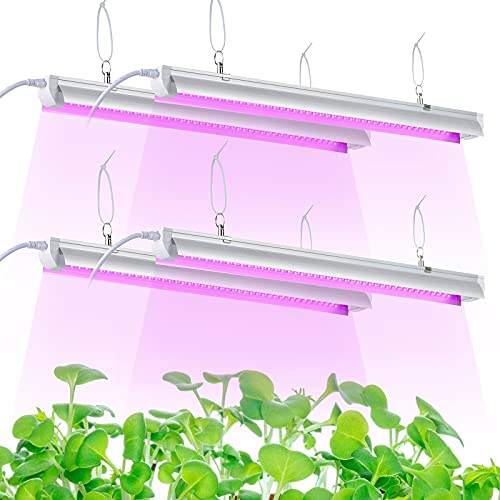
Full Spectrum - LED grow lights 2ft provide indoor plants with full-spectrum sunlight replacement. It provides the most reasonable grow light wave based on the ratio of the absorption of the plants
Seedling Stage
The seedling stage begins after germination when tiny shoots appear. In this phase, seedlings need ample light, moisture, and nutrients.
- Light: Place seedlings under grow lights or in a sunny window for at least 12 to 14 hours a day. Seedlings thrive under bright, indirect sunlight.
- Water: Keep the soil evenly moist, but avoid waterlogging. Checking the soil daily prevents dryness while promoting healthy root development.
- Temperature: Maintain a temperature between 65°F and 70°F for optimal growth.
Seedlings typically take 2 to 3 weeks to develop their first true leaves, marking the transition to a more robust growth phase.
Mature Plant Stage
The mature plant stage occurs after seedlings establish strong roots and develop a full set of leaves.
- Spacing: Once true leaves appear, thin seedlings to about 6 to 12 inches apart, depending on the variety. Proper spacing allows for air circulation and reduces competition for nutrients.
- Fertilization: Apply a balanced liquid fertilizer every 2 to 3 weeks to support growth. This provides essential nutrients that facilitate leaf production.
- Harvesting: Depending on the variety, mature lettuce can be harvested between 30 to 80 days after planting. Looseleaf types are generally ready sooner, while Crisphead can take longer. To harvest, cut leaves at the base or pick outer leaves first, allowing the plant to continue growing.
Monitoring plants during these stages ensures successful lettuce growth and helps you enjoy fresh produce from your garden.
Environmental Factors Influencing Growth
Various environmental factors influence how quickly lettuce seeds flourish. Understanding these elements will help you create optimal conditions for growth.
Recommended Products

5 TIMES FASTER GROW: Hydroponics growing system with a 24-watt LED light that simulates the effects of sunlight which promotes photosynthesis for plants. Even if leave indoor garden in a corner, plants also germinate and grow quickly. Harvest fresh all year round. indoor herb garden LED panel can be adjusted to 180°maximum and 21 inches maximum height. Compact design fits on any windowsill or kitchen shelf, gardening gifts for women

High planting efficiency: Start an indoor herb garden with the Ahopegarden hydroponic growing system, which includes a water reservoir, an overhead LED grow light, and a circulation system that keeps the water fresh. The hydroponic setup and lighting systems allow plants to grow up to faster and healthier in controlled conditions. Simply add plant seeds, water, and nutrients to the reservoir and watch the plants grow

Domed germination kit designed to improve seed starting and cloning inside a high-humidity space.
Temperature and Light
Temperature plays a vital role in the growth of lettuce seeds. Ideal soil temperatures range from 60°F to 75°F. If temperatures fall below 50°F or exceed 80°F, germination may slow down or become inconsistent.
Light is essential, especially for certain varieties like Butterhead and Crisphead. Provide 12 to 14 hours of light daily for optimal growth. If natural light is insufficient, consider using grow lights to supplement.
Soil Quality and Watering
Quality soil contributes greatly to seed growth. Aim for well-draining soil enriched with organic matter. A pH level between 6.0 and 7.0 promotes healthy development.
Watering also requires attention. Maintain consistent moisture, especially during germination. Water the seeds lightly to avoid washing them away, and keep the soil evenly moist but not soggy. Use a spray bottle for gentle watering to enhance moisture retention without disturbing the seeds.
Conclusion
Growing lettuce from seeds can be a rewarding experience. With a bit of patience and the right conditions you can enjoy fresh greens in no time. Remember to keep an eye on soil temperature moisture and light exposure to help your seeds thrive.
Whether you’re planting Butterhead Crisphead Looseleaf or Romaine each variety has its own timeline but with care you’ll be harvesting your delicious lettuce in just a few weeks. So get your hands in the soil and start your gardening adventure. You’re on your way to enjoying homegrown salads that are sure to impress!
Frequently Asked Questions
How long does it take for lettuce seeds to germinate?
Lettuce seeds generally take 7 to 14 days to germinate, depending on the variety. Crisphead types may take longer, while Looseleaf varieties often sprout quicker. Providing optimal conditions can promote faster germination.
What factors influence the growth rate of lettuce?
The growth rate of lettuce is influenced by factors such as temperature, soil quality, moisture levels, and light exposure. Maintaining ideal soil temperatures and consistent moisture is crucial for healthy development.
What are the different types of lettuce seeds?
There are several types of lettuce seeds, including Butterhead, Crisphead, Looseleaf, and Romaine. Each type has unique traits in terms of taste, texture, and growth time, allowing for various options in home gardens.
What ideal conditions are necessary for growing lettuce?
Lettuce thrives in soil temperatures between 60°F and 75°F, with humidity levels of 70% to 90%. It also requires well-draining soil rich in organic matter and about 12 to 14 hours of light daily for optimal growth.
When can I expect to harvest my lettuce?
Lettuce can typically be harvested between 30 to 80 days after planting, depending on the variety. It’s essential to monitor the plants and use proper harvesting techniques to encourage continued growth.
How should I care for seedlings after germination?
After germination, seedlings need sufficient light, moisture, and nutrients. Ensure they receive adequate light and water them gently to avoid disturbing the roots. Proper spacing and fertilization will also support healthy growth.
What watering techniques are recommended for lettuce?
When watering lettuce, use gentle techniques to avoid displacing seeds. Consistent moisture is essential, especially during germination. Water the soil evenly to keep it damp but not waterlogged for the best results.
How can I ensure good germination of lettuce seeds?
To ensure good germination, maintain soil temperatures between 60°F and 75°F and keep humidity levels at 70% to 90%. Cover seeds lightly with soil or vermiculite to retain moisture and provide the right light exposure if needed.
