

Have you ever thought about growing your own lettuce but felt limited by space? If you’ve got a patio, you’ve got the perfect spot to start a mini garden. Growing lettuce in containers is not only easy but also rewarding, giving you fresh greens right at your fingertips.
Key Takeaways
- Variety Selection: Choose the right lettuce varieties like Romaine, Butterhead, Leaf, Oakleaf, or Mesclun based on your patio size, climate, and sunlight availability for optimal growth.
- Container and Location: Use appropriate containers (6-12 inches deep) with good drainage, and select a sunny spot on your patio to help your lettuce thrive.
- Planting Techniques: Decide between sowing seeds directly or transplanting seedlings; ensure proper planting depth (¼ inch) and spacing (1-6 inches apart) for healthy growth.
- Consistent Care: Maintain consistent watering, use balanced fertilizers, and monitor for pests to foster robust growth and prevent nutrient deficiencies.
- Harvesting Tips: Harvest lettuce when leaves are 4-6 inches long; use clean tools, cut carefully to promote regrowth, and store properly to keep lettuce fresh.
- Enjoy Fresh Greens: With the right techniques, enjoy a continuous supply of fresh, home-grown lettuce right from your patio.
Understanding Lettuce Varieties
Lettuce comes in several varieties, each offering unique flavors, textures, and growth habits. Choosing the right type for your patio can enhance your gardening experience and ensure a steady supply of fresh greens.
Popular Lettuce Types for Patios
- Romaine: This variety forms tall, sturdy heads with crisp leaves. Romaine thrives in cooler weather and provides a rich taste, making it ideal for salads.
- Butterhead: Known for its soft, delicate leaves, butterhead lettuce offers a sweet flavor. It grows well in containers and can tolerate some heat.
- Leaf Lettuce: Leaf lettuce includes various types, such as red and green leaf. It grows quickly and continuously, allowing for frequent harvesting without damaging the plant.
- Oakleaf: Oakleaf lettuce features frilled leaves that resemble oak leaves. It’s tolerant of heat and produces a mild flavor, making it a great addition to mixed salads.
- Mesclun: This is a blend of young, tender greens, including various lettuce types. Growing mesclun can yield a diverse salad mix and add variety to your meals.
Choosing the Right Variety for Your Space
When selecting lettuce varieties for your patio, consider the following factors:
- Available Space: Determine the size of your containers. Larger varieties like Romaine require more room, while leaf varieties can thrive in smaller pots.
- Sunlight: Assess the sunlight your patio receives. Most lettuce prefers partial to full sun, while some varieties, like oakleaf, can tolerate shadier spots.
- Climate: Pay attention to your local climate. Some types thrive in cooler temperatures, while others can handle heat. Choose varieties suited to your conditions for better growth.
- Harvesting Style: Decide how you like to harvest. If you prefer frequent snips, opt for leaf or mesclun types. For whole-head harvesting, Romaine or butterhead works best.
- Growth Cycle: Understand how long each variety takes to mature. Leaf lettuce is quick-growing, ready in about 30 days, while heads may take up to 70 days.
By understanding these aspects of lettuce varieties, you can create a thriving patio garden that delivers fresh, delectable greens.
Preparing Your Patio for Planting
Creating an ideal environment for growing lettuce on your patio involves careful planning. You’ll want to consider location and containers to ensure your plants thrive.
Recommended Products


STURDY FABRIC MATERIAL: Our fabric grow bags are made of high-quality, thickened non-woven fabric and features reinforced stitching, which is breathable, reusable and durable for long time use. With the fabric planter , your plants will grow well in your balconies, backyards, terrance or patios

Freshness and Crispness: This vegetable and lettuce container maintains the natural humidity of your produce, keeping them fresh and crisp for longer. It's an excellent way to ensure that your vegetables don't go to waste and stay flavorful.
Selecting the Best Location
Choose a spot on your patio that receives at least six hours of sunlight daily. Lettuce thrives in bright light but can struggle in extreme heat. If your patio has shaded areas, those can work for specific lettuce varieties like Butterhead or Leaf Lettuce, which tolerate partial shade. Observe the sunlight patterns throughout the day to find the perfect balance.
Choosing Suitable Containers
Select containers that provide adequate drainage and space for roots to grow. Look for pots that are at least 6-12 inches deep. Options like fabric pots or traditional pots with drainage holes work well for lettuce. If you’re short on space, consider vertical planters or window boxes. Ensure containers are made from safe materials, like plastic or ceramic, to prevent harmful chemicals from leaching into the soil. Remember to group pots together for a cohesive garden look and to take advantage of available space on your patio.
Planting Lettuce on Your Patio
Planting lettuce on your patio combines convenience with the joy of gardening. Whether you choose to sow seeds or transplant seedlings, both methods enable you to grow fresh greens in limited spaces.
Recommended Products

𝐊𝐞𝐞𝐩𝐬 𝐕𝐞𝐠𝐞𝐭𝐚𝐛𝐥𝐞𝐬 𝐅𝐫𝐞𝐬𝐡 𝐋𝐨𝐧𝐠𝐞𝐫: The Home-X salad keeper for refrigerator is designed to preserve the freshness of lettuce, broccoli, cauliflower, and more. It creates an ideal cold, moist storage environment to help your vegetables stay crisp and fresh for longer periods.

Waterproof Woven PE Fabric: Made of tear-resistant woven polyethylene material. NOTICE: This is plastic fabric, NOT felt cloth. Only holes offer ventilation and drainage, the main bag body is non-breathable. It helps lock soil moisture and reduce watering frequency, ideal for plants that prefer moist growing conditions

Sowing Seeds vs. Transplanting Seedlings
Sowing seeds directly into your container offers a straightforward approach. It’s cost-effective and allows you to choose from a wide variety of lettuce types. Simply sprinkle seeds onto the soil surface and cover lightly with a thin layer of soil. Water gently to ensure proper germination, which typically takes 7 to 14 days.
Transplanting seedlings from a nursery provides an immediate advantage. This method lets you skip the germination phase, giving you quicker results. When transplanting, gently remove the seedling from its container and carefully place it into your prepared pot. Make sure to handle the roots minimally to prevent damage.
Planting Depth and Spacing Guidelines
For optimal growth, plant seeds at a depth of about ¼ inch. This depth ensures they receive adequate moisture while still being close to the surface for light. Follow the spacing guidelines for better air circulation and access to nutrients.
- Seed Spacing: Space lettuce seeds 1 to 3 inches apart for leafy varieties. For larger types like Romaine, increase the distance to 4 to 6 inches.
- Seedling Spacing: If transplanting seedlings, maintain a similar spacing. This allows room for growth and prevents overcrowding.
Monitor your lettuce regularly. Adjust watering and sunlight exposure based on your specific patio conditions, ensuring a bountiful harvest of fresh, delicious lettuce.
Care and Maintenance of Patio Lettuce
Caring for your patio lettuce is essential to ensure a bountiful harvest. Focus on consistent watering, proper fertilization, and effective pest control to help your plants thrive.
Recommended Products
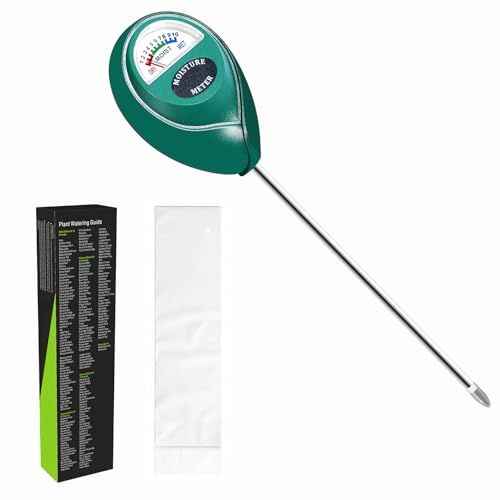
Trusted Since 2015: Become one of the many plant lovers who rely on the proven accuracy of XLUX. Established in 2015, our soil moisture meter has earned over 60,000+ verified ratings for its consistent performance. While many many newer brands come and go, we provide the long-term reliability and quality that American households have trusted for over a decade.

【SAVE YOUR PLANTS】: Over watering can cause problems with your plants or even kill them. This soil moisture meter helps you know the soil is dry, moist or wet.No more over watering!
Dimensions: 0.4 x 0.3 x 4.7 inches (small) - Intended for pot sizes of 2, 2.5, and 3 - Ideal for small succulents
Watering Requirements
Watering lettuce consistently prevents wilting and promotes robust growth. Check the soil daily; it should remain slightly moist but not soggy. Water early in the morning or late in the afternoon to minimize evaporation. Use the following guidelines:
- Newly Planted Lettuce: Water daily for the first week post-planting.
- Established Plants: Water every 2 to 3 days, depending on the weather.
- Drought: Increase frequency during hot, dry spells.
Fertilization Tips
Providing adequate nutrients boosts the health of your lettuce. Use a balanced fertilizer, ideally one high in nitrogen, to promote leafy growth. Follow these fertilization steps:
- Initial Application: Mix slow-release granular fertilizer into the soil before planting.
- Weekly Feeding: For established plants, apply a half-strength liquid fertilizer every two weeks.
- Signs of Nutrient Deficiency: Look for yellowing leaves or stunted growth, and adjust your feeding accordingly.
Pest Control Strategies
Maintaining healthy plants involves monitoring for pests that can damage your lettuce. Use a combination of preventive measures and treatments:
- Regular Inspections: Check for signs of aphids, slugs, or caterpillars. Early detection allows for better control.
- Natural Remedies: Introduce beneficial insects like ladybugs or use neem oil to deter pests.
- Physical Barriers: Use row covers to protect seedlings from insect infestations while still allowing sunlight in.
Implement these care and maintenance strategies to cultivate a thriving lettuce garden on your patio.
Harvesting Lettuce on Your Patio
Harvesting lettuce from your patio can be a rewarding experience. Knowing the right timing and techniques ensures fresh greens for your meals.
When to Harvest
Lettuce grows quickly, and it’s often ready for harvest in about 30 to 60 days after planting, depending on the variety. You can start harvesting once the leaves reach a minimum length of 4 to 6 inches. If you’re growing leaf lettuce, you can begin cutting outer leaves when they reach this size while allowing the center to keep growing. For head lettuce varieties like Romaine, it’s best to wait until the entire head is firm and well-formed, usually around 60 to 75 days after planting.
- Use Clean Tools: Always use clean, sharp scissors or garden shears to avoid damaging the plants. This prevents any spread of disease.
- Harvest in the Morning: Pick lettuce in the morning when temperatures are cooler. This practice helps preserve moisture and flavor.
- Cut Carefully: For leaf lettuce, cut the outer leaves at the base, leaving the inner leaves intact for continued growth. For head varieties, cut the stem just above the soil line.
- Avoid Over-Harvesting: Harvest only one-third of the plant at a time to allow for regrowth.
- Store Properly: Store your harvested lettuce in a cool, humid environment. Use a damp paper towel in a plastic bag to maintain freshness.
By following these practices, you ensure a sustainable and productive harvest from your patio lettuce garden.
Conclusion
Growing lettuce on your patio is a delightful way to enjoy fresh greens right at home. With the right care and attention you can create a thriving garden that not only looks great but also provides delicious flavors for your meals.
Remember to keep an eye on watering and sunlight needs to ensure your lettuce stays healthy. Don’t forget to check for pests and use natural remedies when needed.
Harvesting at the right time will make all your efforts worthwhile. So get started on your patio garden and enjoy the satisfaction of growing your own lettuce. Happy gardening!
Frequently Asked Questions
What are the benefits of growing lettuce in containers?
Growing lettuce in containers allows for easy access to fresh greens, even in limited spaces like patios. Container gardening offers flexibility in location, better control over soil quality, and the ability to move plants as needed. It also promotes healthier growth, as containers can prevent weed competition and pests.
Which lettuce varieties are best for container gardening?
Popular lettuce varieties for container gardening include Romaine, Butterhead, Leaf Lettuce, Oakleaf, and Mesclun. Each has unique flavors and growth habits, making them suitable for various conditions and preferences. Choose based on your preferences and available space.
How do I prepare my patio for planting lettuce?
Select a location that receives at least six hours of sunlight daily, ensuring optimal growth. Consider using containers with good drainage, like fabric pots or traditional pots with holes. Grouping pots together can create an attractive display while maximizing space.
What are the methods for planting lettuce in containers?
You can either sow seeds directly into containers or transplant seedlings from a nursery. Sowing seeds is cost-effective and allows for diverse varieties, while transplanting provides quicker results. Follow guidelines for planting depth and spacing for optimal growth.
How often should I water my container lettuce?
Newly planted lettuce should be watered daily to establish roots. Once established, water every 2 to 3 days, increasing frequency during hot or dry spells. Consistent moisture is crucial for healthy growth and a successful harvest.
What type of fertilizer should I use for container lettuce?
Use a balanced, nitrogen-rich fertilizer for optimal growth. Apply an initial dose before planting and continue with weekly feedings for established plants. This will ensure that your lettuce receives the nutrients it needs to thrive.
How can I control pests on my patio lettuce?
Regularly inspect your plants for pests and use natural remedies as needed. Implementing physical barriers like garden mesh can also help protect seedlings. Keeping your plants healthy through good care will also reduce pest issues.
When is the best time to harvest lettuce?
Lettuce is typically ready for harvest in 30 to 60 days, depending on the variety. For optimal freshness, harvest in the morning using clean tools. Cut carefully to avoid damaging plants and ensure a continuous supply of fresh greens.
