

Ever wondered why your romaine lettuce isn’t thriving like you hoped? You’re not alone. Many gardeners face challenges when it comes to growing this crisp and delicious green. Whether you’re a seasoned pro or just starting out, knowing how to care for your romaine can make all the difference.
Key Takeaways
- Understanding Care Requirements: Romaine lettuce thrives in well-draining soil, with ample sunlight (6-8 hours) and cool temperatures (60°F to 70°F).
- Proper Watering Practices: Maintain consistent soil moisture without waterlogging. Aim for 1 to 1.5 inches of water weekly, adjusting based on weather conditions.
- Nutrition and Fertilization: Use nitrogen-rich fertilizers every 4-6 weeks and maintain soil pH between 6.0 and 7.0 to promote healthy growth and robust flavor.
- Pest and Disease Management: Regularly inspect plants for pests like aphids and cabbage worms. Manage diseases such as downy mildew by ensuring good air circulation and proper watering methods.
- Harvesting Techniques: Harvest romaine when leaves are 6-8 inches long and vibrant green. Use clean tools, cut outer leaves first, and refrigerate promptly to preserve freshness.
- Varietal Selection: Choose appropriate heat-tolerant seeds for your climate and explore popular varieties like Butterhead Romaine and Paris Island Cos for optimal results.
Understanding Romaine Lettuce Plants
Romaine lettuce, known for its crisp texture and mild flavor, thrives with proper care and attention. You’ll find that understanding its needs significantly improves your growing experience.
Benefits of Growing Romaine Lettuce
- Nutritional Value: Romaine lettuce is rich in vitamins A, C, and K, along with antioxidants. This makes it a healthy choice for your meals.
- Quick Growth Cycle: Romaine lettuce typically matures within 30 to 70 days. This allows for multiple harvests within a growing season.
- Low Space Requirements: You can grow romaine in small areas, making it suitable for gardens or containers.
- Versatile Use: Romaine enhances salads, sandwiches, and wraps, adding both crunch and nutrition to your dishes.
- Soil Type: Choose well-draining soil rich in organic matter. Loamy or sandy soil works best for romaine lettuce.
- Sunlight: Aim for full sun exposure, which means 6 to 8 hours of direct sunlight daily. Partial shade can also be beneficial in extremely hot climates.
- Temperature: Romaine lettuce prefers cooler temperatures between 60°F and 70°F. Protect it from heat spikes that can cause bolting.
- Watering: Keep the soil consistently moist, but not waterlogged. Water deeply once a week, adjusting based on rainfall and temperature.
- Spacing: Plant seeds or transplants about 12 inches apart to allow adequate airflow and room for growth.
Understanding these fundamental aspects can transform your romaine lettuce gardening experience, ensuring that your plants thrive and yield delicious greens.
Planting Romaine Lettuce
Planting romaine lettuce requires careful attention to detail to promote healthy growth. Follow these guidelines to ensure a successful planting process.
Recommended Products

🥬 Heat-Tolerant Upright Romaine: Jericho Romaine Lettuce (Lactuca sativa) forms tall, sturdy heads with crisp ribs and tender, mildly sweet leaves. Known for its strong heat tolerance compared to many romaine varieties, it grows 18–24 inches tall and delivers reliable harvests in extended spring and early summer conditions.
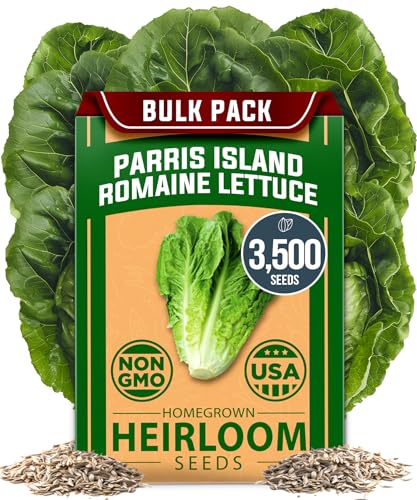
HIGH GERMINATION RATE FOR RELIABLE GROWTH - Our Parris Island Romaine Lettuce Seeds boast an impressive germination rate. High quality and rapid sprouting heirloom lettuce seeds ensuring a bountiful harvest for your vegetable garden.
Choosing the Right Seeds
Select quality seeds suited for your climate. Look for varieties labeled as “Roma” for optimal growth. Popular options include:
- Butterhead Romaine: Known for its sweet flavor and tender leaves.
- Paris Island Cos: This variety is hardy and thrives in diverse conditions.
- Crisp Mint: A variety that offers a unique taste and crunchy texture.
Read seed packets for specific growing instructions and planting times. If your planting season shows extreme temperatures, choose heat-tolerant seeds for best results.
Preparing the Soil
Prepare soil before planting to create a conducive environment for romaine lettuce. Follow these steps:
- Select Location: Choose a spot that gets 6-8 hours of sunlight each day.
- Test Soil: Conduct a soil test for pH levels, aiming for a range of 6.0 to 7.0 for optimal nutrient availability.
- Amend Soil: Enrich the soil with organic matter, such as compost or well-rotted manure. Mix in approximately 2-4 inches to enhance drainage and fertility.
- Tillage: Loosen the soil to a depth of about 12 inches for proper root development.
- Level the Surface: Rake the area to ensure the soil is even and free of large clumps or rocks.
By preparing the soil adequately, you set the stage for strong, healthy romaine lettuce plants to flourish.
Watering and Nutrition
Proper watering and nutrition play vital roles in the growth of your romaine lettuce plants. Maintaining the right balance ensures healthy, vibrant plants that yield tasty greens.
Recommended Products

Accurate Soil Moisture Detection: The XLUX Soil Moisture Meter can tell you if the soil deep inside your pot or garden is dry, moist or wet; whereas your eyes and fingers can only determine the moisture level of the soil surface. The probe is 5.5 inches (14 cm) longer than regular styles, allowing it to measure the soil moisture at the bottom of larger and deeper flower pots.

Kindly NOTE: This soil tester can not be applied to test pH value of any other liquid. If the soil is too dry the indicator will not move, and water it before testing.
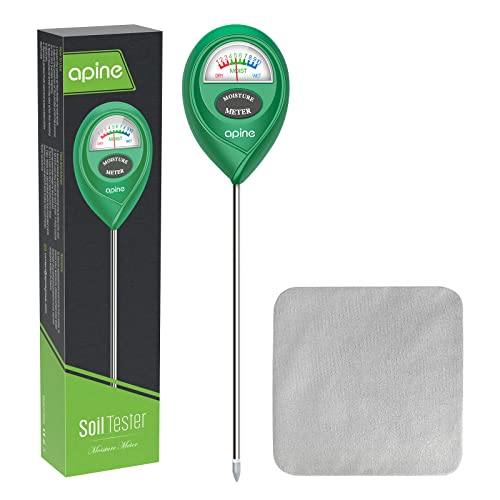
Quick Measurement:Just insert the probe of the plant water meter into the soil about two to four inches,wait a few seconds,you can get the soil moisture immediately.The color division of the dial is simple and clear,and the elderly can easily use it
Proper Watering Techniques
Water is essential for romaine lettuce, as it helps the plants absorb nutrients and maintain hydration. Aim for 1 to 1.5 inches of water per week, adjusting based on weather conditions. Consider these tips for effective watering:
- Watering Schedule: Water early in the morning or late in the afternoon to reduce evaporation.
- Soil Moisture: Check the top inch of soil; it should feel moist but not soggy. If it’s dry, it’s time to water.
- Deep Watering: Water deeply but infrequently to encourage strong root growth. This method helps plants withstand periods of drought.
- Mulching: Apply organic mulch around the base of your plants. Mulch retains moisture and regulates soil temperature.
Nutritional Requirements
Romaine lettuce has specific nutritional needs to thrive. Fertilizers rich in nitrogen promote lush, leafy growth. Focus on these nutritional elements:
- Nitrogen: Choose a balanced fertilizer high in nitrogen, such as a 10-10-10 or 20-10-20 formula. Apply it every 4 to 6 weeks for optimal growth.
- Organic Options: Incorporate organic matter like compost or well-aged manure into the soil. This enriches the soil and provides essential micronutrients.
- pH Levels: Aim for a soil pH between 6.0 and 7.0. Test your soil regularly and amend it as needed to maintain proper pH levels.
- Micronutrients: Ensure availability of calcium, magnesium, and potassium. These elements support overall plant health and improve flavor.
Implementing these watering techniques and nutritional strategies will support the healthy growth of your romaine lettuce plants, leading to a fruitful harvest.
Pest and Disease Management
Effective pest and disease management is crucial for healthy romaine lettuce plants. Regular monitoring and prompt action can prevent damage and ensure a bountiful harvest.
Recommended Products

Selected and stored fresh

Selected and stored fresh

Romaine lettuce is low in carbohydrates, sugar, and fiber
Common Pests
Here are common pests that threaten romaine lettuce plants:
- Aphids: Small, green or black insects that feed on sap. They can cause stunted growth and transmit diseases. Use insecticidal soap or neem oil to manage them effectively.
- Lettuce Leaf Miners: Larvae that create tunnels in leaves, leading to unsightly foliage. Remove affected leaves and consider introducing beneficial insects like parasitoid wasps to control their population.
- Cabbage Worms: Green caterpillars that feed on leaves, creating holes and reducing yield. Handpick the worms or apply Bacillus thuringiensis (Bt) for effective control.
- Slugs and Snails: These pests create slime trails and chew on leaves, especially in moist conditions. Use beer traps or diatomaceous earth to deter them from your plants.
Regularly inspect your plants for signs of pest activity, and maintain good gardening practices to reduce their occurrence.
Identifying Diseases
Romaine lettuce can suffer from various diseases. Here are a few to watch out for:
- Downy Mildew: Characterized by yellow spots on leaves with a fuzzy, grayish coating underneath. Ensure proper air circulation and avoid overhead watering to reduce humidity, which promotes this disease.
- Fusarium Wilt: A soil-borne fungus that causes browning and wilting of leaves. Choose resistant varieties and rotate crops to minimize this problem.
- Bacterial Soft Rot: Causes leaf tissue to turn mushy and slimy, usually in wet conditions. Avoid overcrowding plants, and ensure proper drainage to limit moisture around the roots.
Identifying these conditions early makes treatment more effective. If you notice symptoms, remove affected plants immediately to prevent spread.
Harvesting Romaine Lettuce
Harvesting romaine lettuce requires attention to detail to ensure optimal flavor and texture. You’ll enjoy crisp, fresh leaves when you pick them at the right time and use suitable methods.
Signs of Readiness
Check your romaine lettuce for signs of readiness. Look for these indicators:
- Size: Leaves should be at least 6 to 8 inches long. This size typically signals that the plant is mature enough for harvest.
- Color: Healthy, vibrant green leaves indicate the plant’s readiness. Any yellowing may suggest that it’s past its peak.
- Texture: Crisp and firm leaves are desirable. Wilting or softness is a sign that the lettuce is overripe.
- Growth Stage: Monitor for bolting, which occurs when the plant flowers. Once this happens, leaves may become bitter, so harvest before flowering begins.
Best Harvesting Practices
Follow these best practices to ensure a successful harvest:
- Timing: Harvest either early in the morning or late in the afternoon. This timing helps preserve the lettuce’s freshness and crispness.
- Tool Selection: Use clean, sharp scissors or a knife for cutting. Clean tools prevent disease transfer between plants.
- Cutting Method: Cut the outer leaves first, leaving the inner leaves and heart intact. This method allows the plant to continue growing while providing fresh lettuce.
- Storage: Place harvested lettuce in a shaded area or a cool place immediately. Aim to refrigerate it within a few hours to maintain its crispness.
- Handling: Avoid bruising the leaves during harvest. Gently handle the plant to keep it in good condition.
By recognizing readiness and employing effective harvesting techniques, you’ll enjoy fresh, flavorful romaine lettuce for your meals.
Conclusion
Taking care of your romaine lettuce plants can be a rewarding experience. By following the right practices you can enjoy a bountiful harvest of fresh greens. Remember to provide them with well-draining soil plenty of sunlight and consistent watering.
Don’t forget to keep an eye out for pests and diseases to ensure your plants stay healthy. When it’s time to harvest your romaine make sure to do it at the right moment to get the best flavor and texture. With a little patience and care you’ll be able to savor the delicious taste of your homegrown romaine lettuce in no time. Happy gardening!
Frequently Asked Questions
What are the ideal growing conditions for romaine lettuce?
Romaine lettuce thrives in well-draining soil rich in organic matter, receives 6-8 hours of sunlight daily, and grows best at temperatures between 60-70°F. Consistent watering and proper spacing are also essential for healthy growth.
How do I prepare the soil for planting romaine lettuce?
To prepare the soil, select a sunny location, test soil pH to ensure it’s between 6.0-7.0, enrich it with organic matter, till the soil to promote root development, and level the surface for even planting.
What is the best way to water romaine lettuce?
Water romaine lettuce consistently, aiming for 1 to 1.5 inches per week. Early or late watering prevents evaporation, while deep watering encourages strong root growth. Applying organic mulch can help retain moisture.
What pests should I watch for when growing romaine lettuce?
Common pests include aphids, lettuce leaf miners, cabbage worms, and slugs and snails. Regular monitoring and prompt action can help manage infestations effectively.
How can I prevent diseases in my romaine lettuce?
To prevent diseases like downy mildew and fusarium wilt, practice crop rotation, ensure proper spacing for air circulation, and promptly remove any infected plants. Healthy practices and monitoring are key.
When is the right time to harvest romaine lettuce?
Romaine lettuce is ready for harvest when the leaves are firm and crisp, usually around 70-85 days after planting. Look for the right size, color, and texture to ensure freshness.
What are the best methods for harvesting romaine lettuce?
Use clean, sharp tools to cut the lettuce just above the soil line. Harvest in the morning for optimal freshness, and store cut lettuce in a cool place to maintain flavor and texture.
