

Have you ever wondered if that leftover lettuce can sprout back to life after a salad? You’re not alone. Many people face the dilemma of wanting to make the most of their groceries while reducing waste. Imagine being able to snip off a few leaves and still have fresh greens ready for your next meal.
Key Takeaways
- Lettuce Can Regrow: Most lettuce varieties, especially Romaine, Butterhead, and Leaf lettuces, can regrow effectively after cutting when properly cared for.
- Ideal Growing Conditions: Successful regrowth requires consistent moisture, at least six hours of sunlight, and cool temperatures ranging from 60°F to 70°F.
- Proper Cutting Technique: Cut lettuce 1-2 inches above the root, ensuring several inner leaves remain to support new growth.
- Nutritional Benefits: Lettuce is rich in vitamins A, K, C, folate, and potassium, making it a nutritious addition to meals while offering hydration and digestive health benefits.
- Pest Management: Monitor for pests and use natural repellents, such as garlic spray or neem oil, to protect your regrowing lettuce from common threats.
- Consistent Care: Regular watering, nutrient-rich soil, and pest management practices will enhance the regrowth process, allowing for multiple harvests from a single plant.
Understanding Lettuce Growth
Lettuce is a resilient crop that can regrow after cutting, offering a sustainable way to enjoy fresh greens. Understanding how to encourage this regrowth enhances your gardening experience and reduces waste.
Recommended Products

【✂ Superb Quality】: Besides a beautiful finish, top quality build, professional design and ultra sharp blades make it feel comfortable, light and effortless while easily outperforming all other shears. It is made from premium, durable, top grade stainless steel that is rust and corrosion resistance, sharper and stronger.

GARDENING ESSENTIAL: Fiskars Big Grip Multi-purpose Planting Tool is ideal for digging, weeding, splitting seedlings, breaking up growth, removing roots and more

SK5 STEEL BLADE: The flower scissors blade made of high duty SK5 steel, which is very sharp; Garden pruning shears blade surface had processed by plating treatment, will not easily get rusty, and allow your garden work become more effortless and faster.
Types of Lettuce Suitable for Regrowth
Not all lettuce varieties regrow effectively. Consider these types:
- Romaine Lettuce: Romaine is robust and often regrows well after cutting.
- Butterhead Lettuce: Known for its tender leaves, butterhead can regrow when cut correctly.
- Leaf Lettuce: Leaf types, including looseleaf varieties, often bounce back quickly after harvesting.
- Cos Lettuce: Similar to Romaine, cos lettuce tolerates cutting and can thrive afterward.
Ideal Conditions for Regrowth
Creating the right environment encourages successful regrowth. Follow these guidelines:
- Watering: Keep the soil consistently moist but not soggy. Regular watering promotes new growth.
- Sunlight: Place your lettuce in an area that receives at least six hours of sunlight daily. Adequate light speeds up the regrowth process.
- Temperature: Lettuce thrives in cooler temperatures ranging from 60°F to 70°F. Avoid extreme heat, which can slow growth.
- Soil Quality: Use nutrient-rich soil. Incorporating compost can enhance the soil’s fertility, supporting rapid regrowth.
With the right type of lettuce and conditions, you can enjoy fresh greens throughout the season by simply cutting and allowing them to regrow.
The Regrowth Process
Lettuce can regrow after cutting, offering an easy way to enjoy fresh greens at home. Understanding the regrowth process is key to maximizing your lettuce harvest.
Steps to Cut Lettuce for Best Results
- Choose the Right Lettuce: Select robust varieties, like Romaine or Leaf lettuce, that are known for their ability to regrow.
- Cut Above the Root: Use sharp scissors to trim leaves just above the base. Aim for a cut of about 1-2 inches from the root.
- Leave Some Leaves: Ensure you leave several inner leaves intact, as these will support new growth.
- Water and Care: After cutting, water the plant lightly and return it to its original growing conditions.
How Long Does It Take to Regrow?
Regrowth typically occurs within 7-14 days. Environmental factors can influence growth speed.
- Warm Conditions: Providing temperatures around 60-70°F (15-21°C) encourages faster regrowth.
- Sunlight: Position your lettuce where it receives at least 6-8 hours of sunlight each day for optimal growth.
- Watering: Keep the soil consistently moist but not soggy, promoting healthy root development.
With proper care and attention, your cut lettuce can provide fresh greens for multiple meals.
Nutritional Benefits of Lettuce
Lettuce not only has the potential to regrow after cutting, but it also offers numerous nutritional advantages. Understanding these benefits can enhance your appreciation for this leafy green.
Vitamins and Minerals Present
Lettuce is rich in essential vitamins and minerals. Significant components include:
- Vitamin A: Supports eye health and immune function.
- Vitamin K: Promotes bone health and proper blood clotting.
- Vitamin C: Acts as an antioxidant and aids in skin health.
- Folate: Crucial for DNA synthesis and repair, beneficial during pregnancy.
- Potassium: Helps regulate blood pressure and supports muscle function.
The variety of lettuce you choose can impact nutrient levels. For example, Romaine lettuce typically has higher vitamin content compared to Iceberg lettuce.
Health Benefits of Fresh Lettuce
Eating fresh lettuce can lead to several health benefits, including:
- Hydration: With a water content of about 95%, lettuce helps keep you hydrated.
- Weight Management: Low in calories, it’s a great addition to meals for those looking to maintain or lose weight.
- Digestive Health: Contains dietary fiber, which aids in digestion and promotes gut health.
- Heart Health: Antioxidants in lettuce contribute to reducing cholesterol levels, potentially benefiting heart health.
Incorporating fresh lettuce into salads, sandwiches, and wraps enhances both nutrition and flavor. Regular consumption supports overall health and well-being.
Tips for Successful Regrowth
Regrowing lettuce after cutting can be simple and rewarding. You can create a thriving environment by following a few essential practices.
Recommended Products
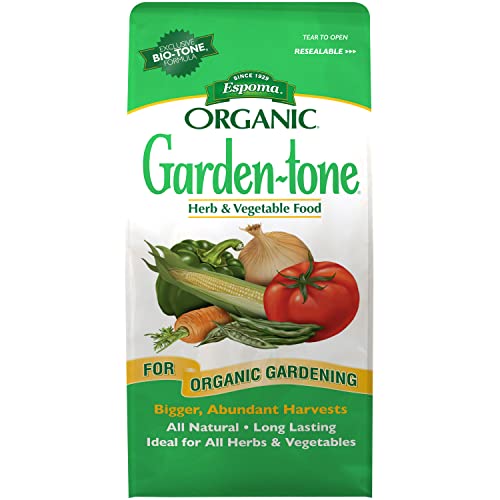
FOR USE ON: Use Garden-tone organic fertilizer for leafy vegetables like lettuce, kale & cabbage as well as warm season crops like tomatoes, peppers, squash & melons.

For more nutritious and tasty vegetables

GROW STRONGER PLANTS: Blood meal is an effective starter fertilizer and excellent source of nitrogen for green garden vegetables and colorful flower blooms. This natural soil amendment helps to promote bountiful growth and yield throughout your growing season.
Watering and Soil Requirements
Water your lettuce regularly, keeping the soil moist but not waterlogged. Lettuce prefers well-draining, nutrient-rich soil. Aim for a pH level of 6.0 to 7.0.
- Check Soil Drainage: Ensure excess water can escape to prevent root rot.
- Use Fertilizers: Apply organic fertilizers for additional nutrients. Look for options with balanced nitrogen, phosphorus, and potassium.
- Water Consistently: Water deeply once or twice a week, depending on weather conditions. Use mulch to retain moisture.
Pest Management Strategies
Pests can impact the health of your regrowing lettuce. Protect your plants with proactive measures.
- Monitor Regularly: Check your lettuce for pests like aphids or slugs. Spot them early for better control.
- Use Natural Repellents: Apply garlic spray or neem oil as deterrents for common pests.
- Encourage Beneficial Insects: Attract ladybugs and lacewings to your garden. They naturally reduce pest populations.
By focusing on these practices, you can create an ideal environment for your lettuce to thrive and enjoy a continuous supply of fresh greens.
Conclusion
You’ve got the power to keep your kitchen green by regrowing lettuce after cutting. With just a little care and attention you can enjoy fresh greens right from your own home. Whether you’re using Romaine or Butterhead varieties the process is simple and rewarding.
By following the tips for watering soil and sunlight you’ll be amazed at how quickly your lettuce can bounce back. Not only does this practice help reduce waste but it also adds a fun gardening experience to your routine. So next time you’re prepping a salad remember that those leftover leaves can turn into a fresh harvest for your next meal. Happy gardening and enjoy your delicious greens!
Frequently Asked Questions
Can you regrow lettuce after cutting it for a salad?
Yes, you can regrow lettuce after cutting. By leaving some inner leaves intact and cutting above the root, you can encourage new growth. This process typically takes 7-14 days, depending on environmental factors.
What types of lettuce are best for regrowth?
The best types of lettuce for regrowth include Romaine, Butterhead, Leaf, and Cos varieties. These types have shown excellent resilience and can regrow effectively when cared for properly.
What conditions are ideal for lettuce regrowth?
Ideal conditions for lettuce regrowth include consistent watering, plenty of sunlight, optimal temperatures between 60-70°F, and nutrient-rich, well-draining soil with a pH of 6.0 to 7.0.
How often should I water regrowing lettuce?
Water regrowing lettuce consistently, keeping the soil moist but not waterlogged. It’s important to monitor soil moisture and adjust your watering schedule based on weather and growing conditions.
How can I enhance the nutritional value of my meals with lettuce?
Incorporating fresh lettuce into meals boosts nutrition. Lettuce is rich in vitamins A, K, C, folate, and potassium, contributing to hydration, weight management, and overall health.
What are some pest management strategies for lettuce?
To manage pests on lettuce, monitor regularly, use natural repellents like garlic spray or neem oil, and promote beneficial insects. These methods help maintain a healthy garden without harmful chemicals.
