

Have you ever craved fresh, crunchy lettuce in the middle of winter? You’re not alone. Many people miss the vibrant greens of summer gardens when the cold months roll in. But what if you could enjoy homegrown lettuce right from your kitchen?
Key Takeaways
- Indoor Lettuce Benefits: Growing lettuce indoors during winter allows for fresh, nutritious greens right from your kitchen, enhancing both your diet and indoor atmosphere.
- Ideal Varieties: Choose suitable lettuce types for indoor growth, such as Butterhead, Romaine, Leaf Lettuce, and miniature varieties, which adapt well to limited space and light.
- Proper Containers and Soil: Use containers at least 6-8 inches deep with drainage holes and high-quality potting soil that includes organic matter for optimal growth.
- Environmental Control: Maintain a stable temperature between 60°F and 70°F, with humidity levels of 40%-70% and provide 12-14 hours of light daily using natural sunlight or grow lights.
- Care Techniques: Implement effective watering and fertilizing routines, monitoring soil moisture, and adjusting fertilizer based on plant growth stages to ensure robust lettuce development.
- Pest Management and Harvesting: Regularly inspect plants for pests, use natural remedies, and carefully harvest lettuce to encourage regrowth, maintaining cleanliness and optimal air circulation in your indoor garden.
Understanding the Basics of Indoor Lettuce Growing
Growing lettuce indoors during winter offers a fresh, crunchy option right at your fingertips. You can enjoy the flavors of homegrown greens even when it’s chilly outside.
Importance of Indoor Gardening in Winter
Indoor gardening provides you with fresh produce regardless of the season. By growing lettuce indoors, you reduce your reliance on store-bought options, which often lack flavor and freshness. You also contribute to your health by accessing nutritious greens year-round. Furthermore, indoor gardening enhances your space, creating a lively atmosphere through vibrant plants.
Ideal Lettuce Varieties for Indoor Growth
Choosing the right lettuce varieties is key to successful indoor growth. Here are some ideal options:
- Butterhead Lettuce: This type forms loose, tender leaves and grows quickly, making it perfect for indoor gardening.
- Romaine Lettuce: Known for its crunchy texture, romaine thrives indoors with adequate light and care.
- Leaf Lettuce: Fast-growing and diverse in colors and textures, leaf lettuce is adaptable and grows well in small containers.
- Miniature Varieties: These compact versions, such as ‘Tom Thumb’ or ‘Little Gem,’ fit well in small spaces and need less light, perfect for indoor conditions.
Select one or more of these varieties to enjoy fresh lettuce all winter long.
Preparing for Indoor Lettuce Cultivation
Preparing for indoor lettuce cultivation involves careful consideration. Follow these guidelines for a thriving indoor garden.
Selecting the Right Containers
Choosing appropriate containers is essential for growing lettuce. Look for pots that are at least 6-8 inches deep, allowing for root expansion. Ensure containers have drainage holes to prevent waterlogging. Consider using:
- Plastic Pots: Lightweight and retain moisture well.
- Clay Pots: Provide excellent drainage but can dry out quickly.
- Containers with Built-in Reservoirs: Help maintain consistent moisture levels.
Using multiple small containers allows for easier management and harvesting. Grouping different varieties together can also make the growing process more enjoyable.
Choosing the Right Soil and Nutrients
Soil selection significantly impacts lettuce growth. Opt for a high-quality potting mix designed for indoor plants. This mix offers good drainage, aeration, and essential nutrients. Look for features like:
- Organic Matter: Enhances soil fertility and structure.
- pH-Adjusted Soil: Ideal pH for lettuce is between 6.0 and 6.8.
Adding nutrients is also crucial for robust growth. Use slow-release fertilizers or liquid fertilizers every few weeks. Monitor the growth closely, and adjust nutrients based on the plant’s appearance. Well-nourished lettuce leads to healthy, crisp leaves ready for harvest.
Creating an Optimal Growing Environment
Creating the right environment is vital for successful indoor lettuce cultivation. Consider temperature, humidity, and lighting to ensure your plants thrive indoors.
Recommended Products

6000K White Light - equipped with 10 Red + 74 White LEDs, this growing Lamp is similar to the full-spectrum sunlight at noon,that is professionally designed for indoor garden plants.Moreover, its color rendering index is as high as 95, the light is soft and flicker-free, which is very suitable for reading lamp

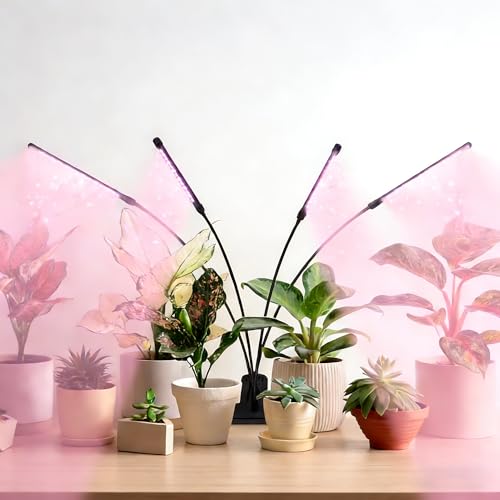
Full Spectrum LED Technology: Equipped with 80 red and blue LED beads across 4 heads, delivering full-spectrum illumination that simulates natural midday sunlight, covering the entire 460-660nm visible spectrum essential for plant photosynthesis. Enhanced 660nm red light promotes flowering, fruiting, and extended bloom periods, while blue light boosts chlorophyll synthesis to support robust vegetative growth
Temperature and Humidity Control
Maintain a stable temperature between 60°F and 70°F for optimal lettuce growth. If temperatures drop below 55°F or exceed 75°F, lettuce can become leggy or bolt. Use a thermometer to monitor conditions, and adjust heating or cooling as necessary.
Humidity levels matter too. Aim for 40%-70% humidity. If your indoor air is dry, consider using a humidifier or placing a tray of water near your plants to increase moisture. Regularly misting the leaves can also help maintain the right humidity, especially in heated rooms.
Lighting Options for Indoor Lettuce
Providing adequate light is crucial for your indoor lettuce. Natural sunlight is preferred, so place your containers near a south-facing window to maximize exposure. Aim for at least 12-14 hours of light each day.
If natural light is insufficient, opt for grow lights. Full-spectrum LED lights are energy-efficient and replicate the sun’s rays effectively. Position the lights 6-12 inches above the plants, and use a timer to ensure consistent lighting. Rotate your lettuce containers periodically to promote even growth.
Planting and Care Techniques
Growing lettuce indoors during winter requires some specific techniques for success. Follow these guidelines to ensure your lettuce thrives.
Recommended Products

🌻Efficient LED Combination: This LED lamp has grow lights made up of 80 efficient growing LEDs ( 32 red lights, 12 blue lights,20 yellow lights and 16 white lights). It meets the conditions of plant growth without sunlight. 1--Full Spectrum(380nm-800nm): Suitable for all plants to root and sprout. 2--Red(660nm)+BLUE(460nm) Spectrum: for blooming and fruits. 3--Red+Blue+Full Spectrum: A mix of Red+Blue+Warm White is best to fuel the growth of your plants.

【Upgraded Full Spectrum】Eqqiuped with 5 Red+37 Sunlight White LEDs in each bar, which is similar to the sunlight at noon to meet the needs of various plant growth processes. 6000K LED grow light with high efficiency and high PPFD, providing flicker-free and soft light.

5000K White Full Spectrum Light: Barrina T5 grow lights 1ft provide indoor plants with full-spectrum sunlight replacement. We provide the most reasonable grow light wave based on the ratio of the absorption of the plant
Sowing Seeds Indoors
Start by choosing high-quality seeds. Select varieties suited for indoor growth, such as Butterhead or Romaine. Fill your chosen container with potting soil, leaving about an inch of space at the top.
- Moisten Soil: Dampen the potting soil lightly before planting.
- Sow Seeds: Scatter seeds evenly across the surface. Aim for about 5-10 seeds per container for ideal density.
- Cover Seeds: Lightly cover the seeds with a thin layer of soil, about ¼ inch deep.
- Water Gently: Use a spray bottle to mist the soil without displacing the seeds.
Position your containers where they’ll receive adequate light. If natural sunlight is limited, consider using LED grow lights.
Watering and Fertilizing Routine
Maintaining the right watering and fertilizing schedule is vital for lettuce growth. Monitor soil moisture regularly.
- Water Consistently: Water when the top inch of soil feels dry. Use room temperature water to avoid shocking the plants.
- Avoid Overwatering: Ensure containers have drainage holes to prevent excess moisture buildup, which can lead to root rot.
- Fertilize Sparingly: Apply a diluted liquid fertilizer every 2-3 weeks. Choose a balanced fertilizer with equal parts nitrogen, phosphorus, and potassium for optimal growth.
Adjust fertilizer use based on the growth stage. Younger plants require less fertilizer than mature ones.
By following these planting and care techniques, you’ll enjoy fresh lettuce from your indoor garden all winter long.
Maintaining Your Indoor Lettuce Garden
Maintaining your indoor lettuce garden involves attention to details like pest management and harvesting techniques. Following these guidelines ensures healthy growth and a bountiful harvest.
Pest Management Strategies
Pest management is crucial for a thriving indoor lettuce garden. Monitor your plants weekly for signs of pests such as aphids, spider mites, or whiteflies. Take the following steps to manage pests effectively:
- Inspect Plants: Check both the tops and bottoms of leaves for insects.
- Use Natural Remedies: Consider solutions like neem oil or insecticidal soap. Spray on affected areas every 1-2 weeks as a preventive measure.
- Encourage Beneficial Insects: Introduce ladybugs or lacewings to naturally control pest populations.
- Maintain Cleanliness: Remove any dead leaves or organic debris to reduce pest hiding spots.
- Keep Airflow Optimal: Ensure proper spacing between plants to facilitate air circulation, which can hinder pest growth.
Harvesting Techniques for Indoor Lettuce
Harvesting indoor lettuce requires care to promote regrowth. Follow these techniques for optimal results:
- Timing: Harvest when leaves reach around 4-6 inches in height, typically 30-45 days after sowing.
- Cutting Method: Use clean scissors or shears to snip leaves just above the base, being careful not to damage the plant.
- Selective Harvesting: Employ a cut-and-come-again method by removing outer leaves first. This promotes new growth from the center.
- Avoid Overharvesting: Limit your harvest to 1/3 of the plant at a time to ensure continuous growth.
- Storage: Store harvested lettuce in a plastic bag in the refrigerator, consuming it within a week for the best flavor and quality.
By implementing these pest management strategies and harvesting techniques, you can elevate your indoor lettuce garden experience and enjoy fresh greens all winter long.
Conclusion
Growing lettuce indoors during winter is a rewarding way to enjoy fresh greens right from your kitchen. With the right containers soil and lighting you can create a thriving indoor garden that brightens up your space and satisfies your cravings.
By following the tips outlined in this guide you’ll not only have delicious lettuce at your fingertips but also gain the joy of nurturing plants throughout the colder months. So grab those seeds and get started on your indoor gardening adventure. You’ll love the taste of homegrown lettuce and the sense of accomplishment that comes with it. Happy gardening!
Frequently Asked Questions
Can I grow lettuce indoors during winter?
Yes, you can grow lettuce indoors during winter. It allows you to enjoy fresh, crunchy greens regardless of the season, giving you a sustainable option right in your kitchen.
What types of lettuce are best for indoor growing?
Ideal indoor lettuce varieties include Butterhead, Romaine, Leaf, and miniature types like ‘Tom Thumb’ and ‘Little Gem.’ These varieties thrive in smaller spaces and require less light.
What containers should I use for indoor lettuce?
Use containers that are at least 6-8 inches deep with drainage holes. Options like plastic pots for moisture retention or clay pots for drainage work well for indoor lettuce gardening.
How do I create the right growing environment for lettuce?
Maintain temperatures between 60°F and 70°F and humidity levels between 40%-70%. Use grow lights if natural sunlight is insufficient, and rotate plants for even growth.
What is the best way to water and fertilize indoor lettuce?
Water when the top inch of soil feels dry and apply a diluted liquid fertilizer every 2-3 weeks for optimal growth. Regular attention ensures healthy, crisp leaves.
How do I manage pests on my indoor lettuce?
Inspect your plants regularly for pests like aphids. Use natural remedies such as neem oil and encourage beneficial insects to help control pest populations.
When is the best time to harvest indoor lettuce?
Harvest lettuce when leaves reach 4-6 inches in height. Use a careful cutting method to promote regrowth, and practice selective harvesting for continuous supply.
How can I store harvested lettuce to keep it fresh?
Store harvested lettuce in a breathable container, such as a produce bag or wrapped in a damp paper towel. Keep it in the refrigerator to maintain freshness longer.
