

Have you ever thought about growing your own lettuce but didn’t know where to start? You’re not alone. Many people want fresh greens at their fingertips but feel overwhelmed by the planting process.
Key Takeaways
- Select the Right Location: Choose a spot with at least 6 hours of sunlight daily and well-draining soil for optimal lettuce growth.
- Choose Lettuce Varieties Wisely: Tailor your selection to your taste and climate, considering varieties like Romaine, Butterhead, or Leaf lettuce for diverse flavors and textures.
- Maintain Proper Spacing and Depth: Space seeds 6-12 inches apart at a depth of 1/4 inch for healthy aeration and growth; ensure transplants are placed just below the soil surface.
- Water Consistently: Keep the soil consistently moist, aiming for 1 inch of water weekly; avoid wetting the leaves to prevent disease.
- Harvest at the Right Time: Once lettuce heads are firm and reach the appropriate size (usually in 45-80 days), harvest them in the morning for the best flavor.
- Store Properly: Refrigerate harvested lettuce in a perforated bag to maintain humidity and use it within a week for optimal freshness.
How To Plant A Lettuce Head
Prepare Your Garden Bed
Start by selecting a location that gets at least six hours of sunlight daily. Clear the area of weeds and debris, then loosen the soil to a depth of 12 inches. Mix in compost for nutrients, aiming for a pH of 6.0 to 7.0.
Choose Your Lettuce Varieties
Select varieties based on your taste and climate. Common types include:
- Romaine: Crisp leaves, great for salads.
- Butterhead: Soft, flavorful heads.
- Leaf Lettuce: Tender, loose leaves.
Planting Seeds
Space seeds about 6 to 12 inches apart in rows. Plant them about 1/4 inch deep. If you prefer transplanting, start seeds indoors 4 to 6 weeks before the last frost. Transplant seedlings outdoors when they reach 2 to 4 inches tall.
Watering Regularly
Water immediately after planting to settle the soil. Maintain consistent moisture, aiming for at least 1 inch of water each week. Water early in the morning to minimize evaporation and fungal diseases.
Mulching
Apply a layer of mulch around your lettuce heads. Use straw or grass clippings to conserve moisture, suppress weeds, and maintain an even soil temperature.
Monitoring Growth
Watch for pests like aphids and slugs. Handpick pests or use insecticidal soap when necessary. Keep an eye out for signs of nutrient deficiency, such as yellowing leaves, and amend accordingly.
Harvesting Lettuce
Harvest lettuce heads when they reach full size and feel firm. Cut heads at the base with a sharp knife, or pick outer leaves as needed. Aim to harvest in the morning for the best flavor.
Storing Lettuce
Store harvested lettuce in the refrigerator, ideally in a perforated bag to maintain humidity. Use within a week for the best quality.
Following these steps, you can successfully plant and enjoy fresh lettuce heads right from your garden.
Choosing The Right Lettuce Variety
Selecting the right lettuce variety is essential for a successful harvest. Different types of lettuce offer unique textures and flavors, making your garden both productive and enjoyable.
Recommended Products

4 Popular Heirloom Lettuce Varieties: Includes Red Romaine, Bibb Butterhead, Black Seeded Simpson, and Green Ice lettuce seeds to grow crisp, tender, and colorful salad greens with balanced flavor, texture, and visual appeal.

COMPLETE VARIETY PACK: Eight popular lettuce seeds including Buttercrunch, Romaine, Iceberg, Bibb, Red Oakleaf, Prizehead, plus Kale and Spinach; Perfect lettuce seeds for planting outdoors or in hydroponic systems
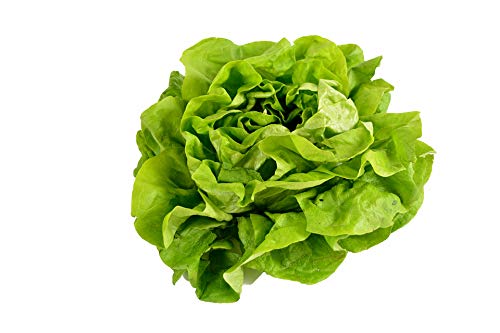
This lettuce is well known for its sweet flavor. Best if harvested in the morning.
Types Of Lettuce
- Romaine: Known for its crisp leaves and sturdy texture, Romaine works well in salads and sandwiches. It thrives in cool weather, typically maturing in 70 to 75 days.
- Butterhead: With its soft, tender leaves, Butterhead is a favorite for its mild flavor. It grows quickly, usually ready to harvest in about 55 to 60 days.
- Leaf: Leaf lettuce comes in various colors and sizes, making it versatile for any dish. It’s fast-growing, often ready in 45 to 55 days.
- Crisphead: This variety has a tight, crunchy head and is perfect for crisp salads. It requires longer growing time, typically around 70 to 80 days.
- Tiny Greens: Ideal for limited spaces, these miniature varieties pack great flavor. Typically, they can be harvested in just 30 days.
Growing Conditions
Lettuce prefers cooler temperatures, ideally between 60°F and 70°F. Here are some conditions to consider:
- Sunlight: Aim for 6 to 8 hours of sunlight daily. Partial shade can help in hotter climates.
- Soil: Use well-draining, nutrient-rich soil. A pH of 6.0 to 6.8 works best.
- Watering: Keep the soil consistently moist but not soggy. Water deeply once a week, increasing frequency in hotter weather.
- Spacing: Allow adequate space between your plants. Typically, 12 to 18 inches apart encourages healthy growth and airflow.
Choosing the right lettuce variety and understanding the necessary growing conditions sets the foundation for a thriving lettuce garden.
Preparing The Soil
Preparing the soil creates the foundation for healthy lettuce growth. Follow these steps for optimal soil conditions.
Recommended Products

Quick, at home results for Soil pH, Nitrogen, Phosphorous and Potash Innovative and inexpensive soil test kit features an easy-to-use capsule system and patented color comparators

Kindly NOTE: This soil tester can not be applied to test pH value of any other liquid. If the soil is too dry the indicator will not move, and water it before testing.

Accurate Soil pH Testing: Dewildetradingco Soil pH Test Strips offer measurements of soil pH levels (pH 3.5-9). As an essential tool for every gardener and grower, these test strips help determine the optimal pH for various plants, such as outdoor plants, indoor plants, gardens, grass lawns, fruit trees, flowers, vegetables, and forest shrubs.
Soil Quality
Select loose, well-draining soil rich in organic matter. This type of soil promotes root development and prevents waterlogging. You can enhance soil quality by mixing in compost or aged manure before planting. Aim for a soil depth of at least 12 inches to give roots ample space to grow. Utilizing a garden fork or tiller helps to break up compacted soil, ensuring better aeration and nutrient availability.
pH Level
Check the soil’s pH level, targeting a range between 6.0 and 7.0 for lettuce. Use a soil pH testing kit for accuracy. If the pH is too low, add lime to raise the level. Conversely, adding sulfur lowers high pH values. Adjustments may take a few weeks to take effect, so plan accordingly. Proper pH ensures optimal nutrient absorption and healthy growth for your lettuce heads.
Planting The Lettuce Head
Planting a lettuce head involves specific techniques that promote healthy growth. Follow these guidelines for successful planting.
Seed Spacing
Maintain proper spacing for lettuce seeds. For standard lettuce varieties, space seeds 10 to 12 inches apart in rows. For smaller varieties like Tiny Greens, reduce spacing to about 2 to 4 inches. This spacing allows for adequate air circulation and sunlight, which reduces the risk of disease and promotes even growth. If you’re growing multiple rows, keep at least 18 inches of distance between each row.
Depth For Planting
Plant lettuce seeds at the right depth for optimal germination. Generally, the planting depth should be about ¼ to ½ inch deep. For transplants, ensure the root ball sits just below the soil surface. Cover the seeds lightly with soil, and avoid packing it down. Lightly watering the area helps settle the soil without disturbing the seeds. Maintaining an ideal soil depth ensures that seeds receive adequate moisture and nutrients as they grow.
Care And Maintenance
Lettuce requires regular attention to thrive. Following simple care and maintenance practices ensures healthy growth and a bountiful harvest.
Recommended Products

4-Hole Side Design: This high-performance tree watering spike makes it easy to deliver water and fertilizer directly to the root zone. The upgraded side-hole design helps improve watering efficiency, while the sharp tip makes it easy to push into hard or compact soil. The 4 side outlets help reduce clogging and distribute water more evenly for deep root watering and feeding.

Let your landscape thrive with a Varomorus Deep Root Irrigation tool! Varomorus Irrigator is designed for all soil surfaces and helps your plants, trees, bushes and shrubs to build a healthy and strong root systems. It is a perfect addition for your lawn sprinklers for a beautiful, hydrated yard.

High-Quality Gardening Supplies: Yard Butler garden tools are designed to last a lifetime so you can stop buying plastic or cheap metal products that don't hold up
Watering Guidelines
Water consistently to keep soil moist but not soggy. Aim for about 1 to 1.5 inches of water per week, adjusting for weather conditions. Apply water directly to the soil to avoid wetting the leaves, which can promote disease. Using a soaker hose or drip irrigation works well. Check soil moisture by inserting your finger about an inch deep; if it feels dry, it’s time to water.
Fertilization Tips
Fertilize lettuce about two weeks after planting. Use a balanced fertilizer, like a 10-10-10 NPK blend, to promote healthy foliage growth. Apply according to package instructions, generally around 1 tablespoon per square foot of soil. If soil tests show low nutrient levels, additional amendments may be necessary. Side-dress with a slow-release fertilizer midway through the growing season for sustained nutrition.
Harvesting Your Lettuce
Harvesting lettuce at the right time ensures optimal flavor and quality. Knowing when and how to harvest is key to enjoying fresh, crisp lettuce in your meals.
Ideal Harvest Time
Monitor your lettuce heads as they grow. Most varieties are ready for harvest between 45 to 80 days after planting, depending on the type. Signs that lettuce is ready include:
- Size: Heads should be firm and fully developed. They typically reach about 6 to 12 inches in height.
- Color: Look for vibrant green foliage without signs of wilting or yellowing.
- Taste: Sample a leaf; it should taste crisp and flavorful.
Harvest in the morning for the best taste and texture, as cooler temperatures enhance freshness.
Harvesting Techniques
Approach harvesting lettuce with care to maintain its quality. Use these techniques:
- Cutting: Use a sharp knife or garden shears to cut the lettuce head at the base. This method minimizes damage and allows for regrowth.
- Pulling: If you’re harvesting loose-leaf varieties, grasp the leaves and gently pull them from the base. Leave the plant intact for continued growth.
- Pinching: For baby greens, pinch off outer leaves at the base, allowing inner leaves to mature.
Always handle lettuce gently to avoid bruising. Store harvested lettuce in a cool, dark place with high humidity, like in a refrigerator crisper, to keep it fresh longer.
Conclusion
Growing your own lettuce can be a rewarding experience. With the right variety and a bit of care you can enjoy fresh crisp leaves right from your garden. Remember to keep an eye on your plants as they grow and harvest them when they’re at their peak for the best flavor.
Don’t forget to handle your lettuce gently and store it properly to keep it fresh for longer. With these tips you’re well on your way to enjoying delicious homegrown salads. Happy gardening!
Frequently Asked Questions
What lettuce varieties should I consider for my garden?
Lettuce comes in various types, including romaine, butterhead, and leaf lettuce. Choose a variety based on your climate, taste preferences, and intended use. For example, romaine is great for salads, while butterhead offers a tender texture.
How do I prepare the soil for planting lettuce?
Start by selecting a well-draining location and testing the soil’s pH, aiming for 6.0 to 6.8. Amend the soil with organic matter, like compost, to enhance fertility and drainage. Ensure the area receives adequate sunlight and has good airflow.
What are some planting techniques for lettuce?
Lettuce seeds can be sown directly in prepared soil or started indoors. Space seeds or seedlings about 6 to 12 inches apart, depending on the variety. Use shallow rows for direct sowing and ensure they’re covered lightly with soil.
How often should I water my lettuce plants?
Lettuce requires consistent moisture, so water the plants about 1 inch per week. Increase the frequency in hot weather, making sure the soil remains consistently moist but not soggy to prevent rot.
How do I know when lettuce is ready to be harvested?
Lettuce is typically ready to harvest when the leaves are vibrant and firm, usually about 60 to 90 days after planting. Look for a well-formed head or full, leafy growth, depending on the variety.
What harvesting techniques should I use for lettuce?
You can harvest lettuce by cutting at the base with scissors, gently pulling out the whole plant, or pinching off outer leaves for cut-and-come-again harvesting. Handle the leaves delicately to avoid bruising.
How can I store harvested lettuce for maximum freshness?
To keep lettuce fresh, wash it gently, spin or pat dry, and store it in a breathable bag or container in the refrigerator. Aim to consume it within a week for the best flavor and quality.
