

Have you ever craved fresh, crunchy lettuce in the middle of winter? You’re not alone. Many people dream of enjoying homegrown greens regardless of the season, but growing lettuce indoors might seem tricky.
Key Takeaways
- Hydroponics Advantage: Utilizing hydroponics allows for faster lettuce growth rates, space efficiency, reduced pesticide use, and year-round production.
- Choose the Right Varieties: Opt for indoor-friendly lettuce types like Butterhead, Romaine, and Leaf Lettuce to ensure successful growth and delicious yields.
- Essential Setup: Equip your indoor garden with proper containers, a suitable growing medium, adequate lighting, and temperature controls for optimal lettuce health.
- Humidity and Temperature Management: Maintain a consistent temperature between 60°F and 70°F and humidity levels between 40% and 70% to support healthy lettuce growth.
- Regular Monitoring: Keep an eye on plants for pests and nutrient deficiencies, and address issues promptly with appropriate treatments and fertilizers.
Understanding Hydroponics for Lettuce
Hydroponics offers a viable solution for growing lettuce indoors year-round. This soil-free method supports plant growth through nutrient-rich water, making it ideal for indoor gardens.
Benefits of Hydroponic Systems
- Faster Growth: Hydroponic systems increase growth rates by 30% to 50% compared to traditional soil methods.
- Space Efficiency: You can grow more lettuce in smaller spaces, making hydroponics perfect for apartments or limited areas.
- Reduced Pesticide Use: The controlled environment minimizes pests, reducing the need for chemical pesticides.
- Consistent Yield: Year-round cultivation means a steady supply of fresh lettuce without seasonal interruptions.
- Water Conservation: Hydroponics uses up to 90% less water than traditional farming, as it recycles water efficiently.
- Nutrient Film Technique (NFT): Thin films of nutrient solution circulate past the plant roots. This system promotes even nutrient distribution and oxygen access.
- Deep Water Culture (DWC): Lettuce roots sit submerged in oxygenated nutrient water. This simple system fosters rapid growth.
- Ebb and Flow (Flood and Drain): Nutrient solution floods the grow bed briefly, followed by drainage. This cycle provides oxygen and nutrients effectively.
- Aeroponics: Roots hang in the air and receive nutrient mist. This highly efficient system optimizes growth and allows for maximum oxygen exposure.
- Wick System: Nutrients travel via a wick from the reservoir to the plant. This passive system is low maintenance but slower in nutrient delivery.
Each hydroponic system serves unique needs. Assess available space, budget, and desired growth rate before choosing a system to grow lettuce indoors effectively.
Choosing the Right Lettuce Varieties
Selecting appropriate lettuce varieties is crucial for successful indoor growth. Some varieties thrive better in the controlled environment of an indoor setting.
Popular Varieties for Indoor Growing
- Butterhead: Butterhead lettuce, known for its loose, tender leaves, grows quickly and enjoys cooler temperatures. It’s perfect for indoor gardens.
- Romaine: Romaine lettuce boasts a sturdy structure and crisp texture. It’s versatile and adds a crunchy element to salads.
- Leaf Lettuce: Loose-leaf varieties like Red Romaine or Oak Leaf are easy to grow and yield multiple harvests. Just cut the leaves, and they’ll keep regrowing.
- Crisphead: Crisphead lettuce, such as Iceberg, requires more space and light but delivers a refreshing crunch in salads.
- Mesclun: This mixed greens variety gives you a variety of flavors and can be harvested young. It thrives in small spaces and offers a colorful addition to your indoor garden.
- Growth Rate: Some varieties mature faster than others. Choose quicker-growing types, such as leaf lettuce, for constant fresh produce.
- Taste Preferences: Consider what types of lettuce you and your family enjoy. Select varieties that complement your meals.
- Growth Space: Assess your available space. Compact varieties like butterhead or leaf lettuce work well in smaller pots.
- Lighting Needs: Different varieties have varying light requirements. Ensure you can meet those needs, especially for crisphead varieties that demand more light.
- Harvesting Method: Decide between full head harvesting or cut-and-come-again methods. Choose varieties based on the harvesting style that suits your lifestyle.
By focusing on these factors and selecting the right varieties, you set the stage for a successful indoor lettuce garden that thrives year-round.
Setting Up Your Indoor Garden
Creating an indoor garden for lettuce involves specific equipment and configurations to ensure optimal growth. Follow these guidelines to set up your indoor garden effectively.
Recommended Products

SMALLER & STRONGER: SANSI LED pot clip plant light equipped with SANSI unique ceramic technology, provides more efficient power conversion. The indoor plant light provides 5W output power with 35.78 μmol/s/㎡ @6 inches growing power. Compared with the similar 10W plant light, the output power is saved by 50% and the plant growing effect increased by 25%. The LED grow light is suitable for various indoor potted plants, such as succulents, aloe vera, devil's Ivy, calibrachoa, African violet, etc.
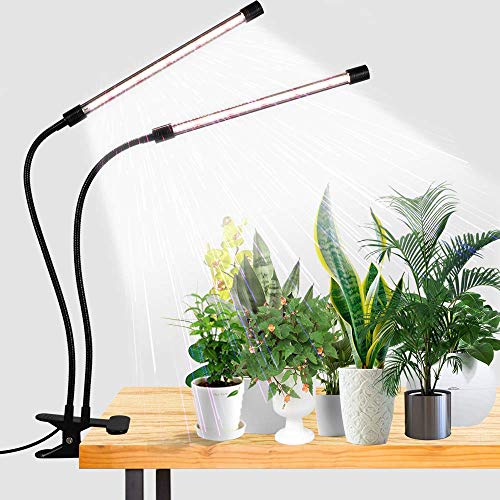
6000K White Light - equipped with 10 Red + 74 White LEDs, this growing Lamp is similar to the full-spectrum sunlight at noon,that is professionally designed for indoor garden plants.Moreover, its color rendering index is as high as 95, the light is soft and flicker-free, which is very suitable for reading lamp
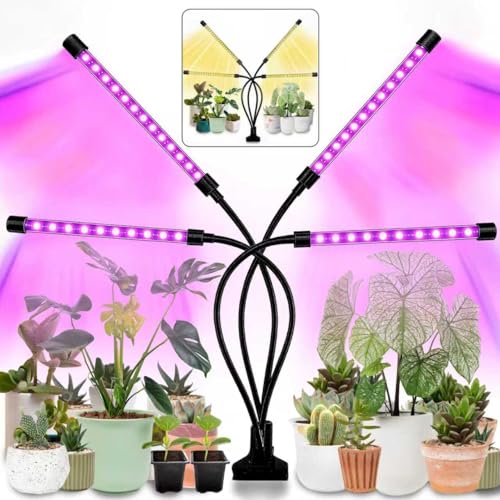
🌻Efficient LED Combination: This LED lamp has grow lights made up of 80 efficient growing LEDs ( 32 red lights, 12 blue lights,20 yellow lights and 16 white lights). It meets the conditions of plant growth without sunlight. 1--Full Spectrum(380nm-800nm): Suitable for all plants to root and sprout. 2--Red(660nm)+BLUE(460nm) Spectrum: for blooming and fruits. 3--Red+Blue+Full Spectrum: A mix of Red+Blue+Warm White is best to fuel the growth of your plants.
Essential Equipment and Supplies
You’ll need several key items to begin your indoor lettuce garden:
- Containers: Use pots, trays, or hydroponic systems. Ensure adequate drainage to prevent overwatering.
- Growing Medium: Select a soil mix or hydroponic solution. Popular options include coconut coir, peat moss, or rock wool.
- Watering Tools: Consider a spray bottle or watering can. These tools allow for gentle watering, which helps avoid disturbing delicate seedlings.
- Fertilizer: Use a balanced fertilizer specific to leafy greens. This ensures your lettuce receives essential nutrients.
- Temperature Control: A thermometer helps monitor indoor temperatures, keeping them between 60°F and 70°F (15°C to 21°C) for optimal growth.
Optimal Grow Light Setup
Lighting plays a critical role in successful indoor lettuce cultivation:
- Choose the Right Type of Light: Use LED grow lights or fluorescent lights. Both options provide the necessary spectrum for healthy growth.
- Positioning the Lights: Set lights 6 to 12 inches above the plants. Adjust the height as your lettuce grows to prevent leaf burn.
- Light Duration: Provide 12 to 16 hours of light each day. Use a timer to maintain a consistent schedule, simulating natural sunlight.
- Observe Plant Response: Watch your lettuce for signs of stretching or yellowing. These may indicate insufficient light, requiring adjustments to the setup.
By assembling the right equipment and configuring your lighting, you’ll create a supportive environment for your indoor lettuce to flourish throughout the year.
Maintaining Ideal Growing Conditions
Creating the right environment for your indoor lettuce is crucial. You’ll need to focus on temperature, humidity, watering, and nutrients to encourage healthy growth.
Temperature and Humidity Control
Temperature and humidity significantly impact lettuce growth. Aim for a temperature range of 60°F to 70°F (15°C to 21°C). Avoid temperatures above 75°F (24°C) to prevent bolting. Use a thermometer to monitor the space regularly.
Humidity levels should stay between 40% and 70%. If humidity is too low, plants can suffer from stress. Consider using a humidifier if your indoor air is dry. For higher humidity, mist your plants lightly or place a tray of water nearby to increase moisture.
Watering and Nutrient Needs
Watering techniques directly affect lettuce health. Ensure the growing medium stays consistently moist but never soggy. Water your plants when the top inch of the soil feels dry. Depending on your setup, this might mean daily watering or every few days.
Nutrient requirements for lettuce include both macronutrients and micronutrients. Use a balanced fertilizer with a nitrogen-rich formula. Apply it every two to four weeks, following the manufacturer’s instructions. For hydroponic systems, choose a nutrient solution designed for leafy greens. Adjust nutrient concentration based on your plants’ growth stage.
By maintaining optimal temperature, humidity, watering, and nutrient levels, your indoor lettuce will thrive throughout the year.
Troubleshooting Common Issues
Indoor lettuce growth can present challenges. Identifying and addressing these issues promptly ensures healthy plants.
Recommended Products

High planting efficiency: Start an indoor herb garden with the Ahopegarden hydroponic growing system, which includes a water reservoir, an overhead LED grow light, and a circulation system that keeps the water fresh. The hydroponic setup and lighting systems allow plants to grow up to faster and healthier in controlled conditions. Simply add plant seeds, water, and nutrients to the reservoir and watch the plants grow

HARVEST ANYWHERE & ANYTIME: Indoor gardening system efficient 24-watt LED grow light simulates optimal effects of sunlight. Technology optimized for plants, herbs garden LED panel can be adjusted to 180° maximum and 21inches maximum height, plants receive more illumination area, maximize photosynthesis, and also more convenient for pruning branch leaves. Hydroponics plants grow 5 times faster than soil, harvest fresh all year round

5 TIMES FASTER GROW: Hydroponics growing system with a 24-watt LED light that simulates the effects of sunlight which promotes photosynthesis for plants. Even if leave indoor garden in a corner, plants also germinate and grow quickly. Harvest fresh all year round. indoor herb garden LED panel can be adjusted to 180°maximum and 21 inches maximum height. Compact design fits on any windowsill or kitchen shelf, gardening gifts for women
Pests and Diseases
Monitor your plants regularly for pests like aphids, spider mites, and whiteflies. Use insecticidal soap or neem oil for treatment. For disease, watch for yellowing leaves or mold. Remove infected foliage and improve air circulation. Keeping your growing area clean helps prevent pathogens. If issues persist, consider introducing beneficial insects like ladybugs or predatory mites for natural pest control.
Nutrient Deficiencies
Observe your lettuce for signs of nutrient deficiencies, such as pale leaves or stunted growth. Yellowing usually indicates nitrogen deficiency, while purple hues might signal phosphorus issues. Use a balanced, water-soluble fertilizer to address these deficiencies. Follow the recommended dosage on the label. Regular soil tests can help assess nutrient levels, ensuring your lettuce receives adequate nourishment for optimal growth.
Conclusion
Growing lettuce indoors year-round can be a rewarding experience. With the right setup and care you can enjoy fresh greens no matter the season. Remember to keep an eye on your plants and adjust your approach as needed.
By staying attentive to their needs you’ll create the perfect environment for healthy growth. Don’t hesitate to experiment with different hydroponic systems or lighting setups to find what works best for you.
With a little patience and dedication your indoor garden can flourish and provide you with delicious lettuce for salads sandwiches and more. Happy gardening!
Frequently Asked Questions
What are the challenges of indoor lettuce cultivation?
Indoor lettuce cultivation challenges include limited space, inconsistent lighting, and the need for proper temperature and humidity control. Additionally, managing pests and diseases can be difficult without outdoor conditions benefiting natural predators.
How does hydroponics help with growing lettuce indoors?
Hydroponics offers a soil-less method to grow lettuce, providing better control over nutrients and water. It maximizes space, allows for faster growth rates, and eliminates soil-borne pests and diseases, making it ideal for indoor environments.
What essential equipment is needed for an indoor lettuce garden?
Essential equipment includes containers for planting, a suitable growing medium, watering tools, fertilizers, and temperature control devices. Additionally, proper grow lights are crucial to simulate natural sunlight for healthy plant growth.
How do I set up optimal grow lights for indoor lettuce?
Choose full-spectrum LED grow lights and position them about 12-24 inches above the plants. Ensure they are on for 12-16 hours daily, adjusting based on plant response to provide adequate light without causing stress.
What are the ideal growing conditions for indoor lettuce?
Ideal conditions for indoor lettuce include temperatures between 60-70°F, humidity levels around 50-70%, and consistent watering schedules to prevent both dryness and overwatering. Balanced nutrients should also be maintained for healthy growth.
How can I troubleshoot common issues in indoor lettuce growth?
Monitor for pests and diseases regularly, and use natural remedies if needed. Look for signs of nutrient deficiencies, and conduct soil tests to adjust fertilization. Maintain a consistent watering and temperature control regimen to ensure healthy plants.
