

Have you ever wondered how much water your lettuce really needs? Growing crisp, delicious lettuce can be tricky, especially when it comes to finding that perfect balance. Too little water and your plants might wilt; too much and you risk rot.
Key Takeaways
- Water Requirement: Lettuce needs approximately 1 to 1.5 inches of water weekly, influenced by temperature, humidity, and growth stage.
- Signs of Inadequate Watering: Insufficient water leads to wilting, stunted growth, and bitter flavor in lettuce.
- Consequences of Overwatering: Excessive water causes root rot, fungal diseases, and weak plants; look for yellowing leaves or a foul smell from the soil as indicators.
- Optimal Water Management: Regularly check soil moisture; healthy lettuce should have vibrant leaves and recover quickly from heat.
- Effective Watering Techniques: Employ drip irrigation or soaker hoses for even moisture distribution, and water early in the morning to reduce disease risk.
- Soil and Climate Factors: Understand your soil type and local climate conditions to adjust watering needs accordingly, ensuring healthy lettuce growth.
Importance Of Water For Growing Lettuce
Water plays a crucial role in growing healthy lettuce. It directly affects the plant’s growth, flavor, and overall quality. Understanding this importance helps you manage your lettuce crops effectively.
Optimal Watering Requirements
Lettuce requires about 1 to 1.5 inches of water per week. Factors like temperature, humidity, and growth stage influence this need. During hot periods, you might need to provide additional water to prevent stress on the plants.
Consequences of Inadequate Water Supply
Insufficient water leads to wilting and stunted growth. Under-watered lettuce develops a bitter flavor, which diminishes its marketability. You’ll notice the leaves turning crispy and yellow, indicating immediate attention is necessary.
Effects of Excessive Watering
Too much water causes root rot and fungal diseases. Overly saturated soil deprives roots of oxygen, resulting in weak, unhealthy plants. If you observe drooping leaves or a foul smell from the soil, it signals potential overwatering.
Signs of Proper Water Management
Healthy lettuce exhibits lush, vibrant leaves and strong stems. If your plants grow evenly and recover quickly from heat stress, your watering routine is likely effective. Regularly check soil moisture, aiming for consistency without waterlogging.
Recommended Watering Techniques
Employ drip irrigation or soaker hoses to deliver water slowly and evenly. These methods reduce evaporation and target the root zone directly. Watering early in the morning minimizes disease risks while maximizing absorption.
- Test soil moisture regularly with your finger or a moisture meter.
- Amend soil with organic matter for improved water retention.
- Use mulch to help retain soil moisture and regulate temperature.
Prioritizing proper water management boosts your lettuce crop’s health and yield. Implement these practices, and enjoy a bountiful harvest of crisp, flavorful lettuce.
Factors Influencing Water Needs
Water requirements for lettuce depend on several key factors. Understanding these can help you provide the right amount of moisture for healthy growth.
Recommended Products

Trusted Since 2015: Become one of the many plant lovers who rely on the proven accuracy of XLUX. Established in 2015, our soil moisture meter has earned over 60,000+ verified ratings for its consistent performance. While many many newer brands come and go, we provide the long-term reliability and quality that American households have trusted for over a decade.

Accurate Soil Moisture Detection: The XLUX Soil Moisture Meter can tell you if the soil deep inside your pot or garden is dry, moist or wet; whereas your eyes and fingers can only determine the moisture level of the soil surface. The probe is 5.5 inches (14 cm) longer than regular styles, allowing it to measure the soil moisture at the bottom of larger and deeper flower pots.

Kindly NOTE: This soil tester can not be applied to test pH value of any other liquid. If the soil is too dry the indicator will not move, and water it before testing.
Soil Type
Soil type significantly affects water retention and drainage. Sandy soils drain quickly and may require more frequent watering. Clay soils retain moisture but can become waterlogged, increasing the risk of root rot. Loamy soils offer a balanced structure that retains moisture while draining excess water. When planting lettuce, consider amending your soil with organic matter for improved water retention.
Climate Conditions
Climate conditions play a vital role in determining how much water your lettuce needs. Higher temperatures increase evaporation rates, requiring more water. In contrast, cooler, humid conditions can reduce water needs. Pay attention to local weather patterns. During hot spells, you may need to increase watering to 1.5 inches per week to keep plants hydrated. Conversely, during cooler periods, a reduction to around 1 inch may suffice.
Lettuce Variety
Different lettuce varieties have varying water needs. Leafy types, like loose-leaf or butterhead, typically require more water to produce tender leaves. Crisphead varieties may tolerate slight dryness but still benefit from regular moisture. When selecting lettuce, consider its specific water needs. For example, if you’re growing butterhead, ensure you provide consistent moisture for optimal growth and flavor.
General Watering Guidelines
Water management is crucial for healthy lettuce growth. You must balance frequency and amount to ensure optimal conditions. Too little or too much water negatively impacts your crop.
Recommended Products
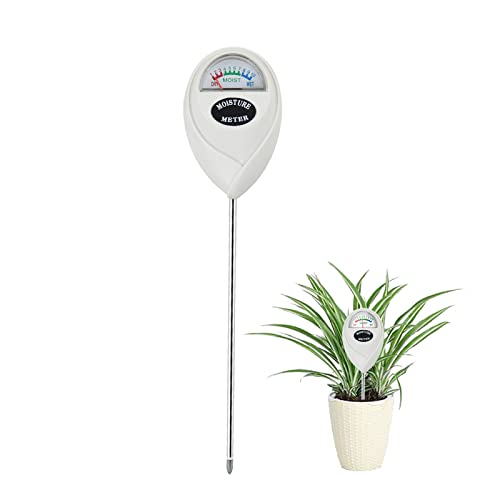
【SAVE YOUR PLANTS】: Over watering can cause problems with your plants or even kill them. This soil moisture meter helps you know the soil is dry, moist or wet.No more over watering!
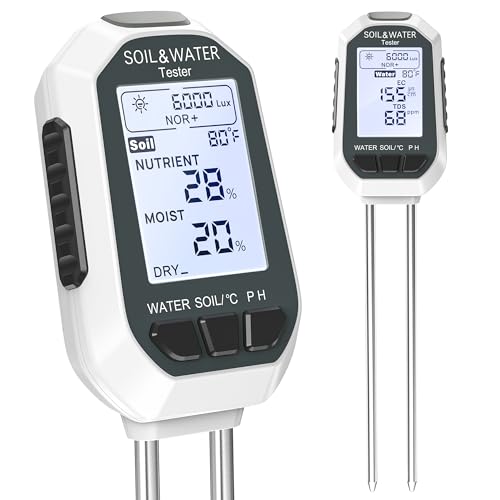
【7-in-1 Features】This is a 7-in-1 multi-function soil tester. Our soil tester quickly measures soil moisture, pH, temperature and light intensity, and its fertility function helps you take better care of your plants. With this device you can measure the soil moisture, pH, temperature and light intensity for your plants and with the EC and TDS functions you will know when it is time to water the soil.

【4 in 1 function】This is a 4-in-1 multifunctional soil tester.Our soil tester fastly to measure soil moisture, pH, temperature and sunlight to help you take better care of flowers and plants.You can know when you need to water your soil by measuring moisture and pH & Temperature value of the soil and sunlight level of plants with it.
Frequency Of Watering
Water lettuce every 2 to 3 days during dry periods. This frequency ensures consistent moisture. If conditions are particularly hot or windy, check daily. Adjust based on your specific environment; for instance, sandy soils dry quicker, often requiring more frequent watering.
Amount Of Water
Aim for about 1 to 1.5 inches of water per week, factoring in rainfall. This amount provides necessary hydration without over-saturating the soil. You can use a rain gauge to measure rainfall accurately. If you’re using drip irrigation, ensure it delivers enough water to meet this requirement. Regularly check soil moisture by inserting a finger about 1 inch deep; if it feels dry, it’s time to water.
Signs Of Overwatering And Underwatering
Identifying the right water balance for your lettuce is crucial. Signs of both overwatering and underwatering can help you adjust your watering practices.
Recommended Products
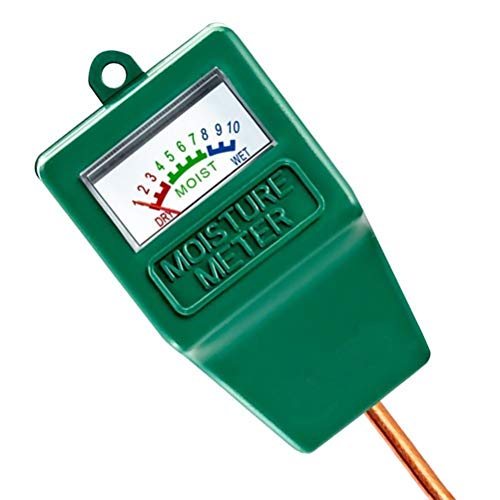
Soil Moisture Meter: This single probe soil moisture meter is specially designed for testing the moisture level in the soil, helps you decide whether the plants need water or not, helps to keep plants alive.

Accurate Soil Moisture Detection: The XLUX Soil Moisture Meter detects deep soil moisture in pots or gardens (dry/moist/wet), unlike eyes or fingers that only sense surface soil.

Accurate Monitor: Visible window from blue to white as soil moisture decreases. One glance tells you if there's a water shortage.
Signs Of Overwatering
- Yellowing Leaves: If the leaves turn yellow, this often indicates too much water. Check the soil; it may be waterlogged.
- Wilting Despite Moist Soil: Lettuce may wilt if roots can’t access oxygen in saturated soil.
- Root Rot: Look for a mushy texture on roots. This is a sign of root rot, often caused by overwatering.
- Fungal Growth: Mold or mildew on the surface of the soil indicates high moisture levels, which can harm your lettuce.
Signs Of Underwatering
- Wilting Leaves: If leaves look droopy and limp, your plants likely need more water.
- Dry Soil: Check for dry, crumbly soil. It’s a clear signal that the lettuce isn’t getting enough moisture.
- Bitter Flavor: Lettuce that lacks water may develop a bitter taste, as it struggles to grow.
- Slow Growth: Observe stunted growth. Underwatered lettuce often fails to thrive.
- Regular Soil Checks: Stick your finger into the soil. If it feels dry beyond the first inch, it’s time to water.
- Use a Moisture Meter: This tool helps determine soil moisture levels accurately.
- Adjust Watering Based on Weather: Increase watering during hot, dry spells and decrease during cooler, rainy periods.
By paying attention to these signs, you can maintain your lettuce’s health and enjoy a successful harvest.
Conclusion
Finding the right water balance is key to growing healthy lettuce. With just the right amount of moisture your plants can thrive and produce delicious leaves. Keeping an eye on your soil and adjusting your watering routine based on weather conditions will make a big difference.
Remember to look out for those signs of overwatering and underwatering so you can make adjustments as needed. By staying attentive and proactive you’ll enjoy a bountiful harvest of crisp and flavorful lettuce. Happy gardening!
Frequently Asked Questions
What are the main challenges of growing lettuce?
Growing lettuce involves managing water levels effectively. Insufficient watering can lead to wilting, while too much water can cause root rot. Understanding the right balance of water is crucial for healthy growth and quality.
How much water does lettuce need?
Lettuce typically requires about 1 to 1.5 inches of water per week. This amount may vary depending on temperature, humidity, and other environmental factors.
What are the signs of overwatering lettuce?
Signs of overwatering include yellowing leaves, wilting despite moist soil, root rot, and fungal growth on the soil surface. Monitoring these symptoms is essential for adjusting watering practices.
What are the signs of underwatering lettuce?
Underwatering signs include wilting leaves, dry soil, a bitter flavor, and slow growth. Regular checks can help gardeners adjust watering to meet their lettuce’s needs.
How often should I water lettuce?
It is recommended to water lettuce every 2 to 3 days during dry periods. Daily checks are advisable in hot or windy conditions to ensure consistent moisture.
How do soil types affect lettuce watering?
Soil type significantly impacts watering needs. Sandy soils require more frequent watering, while clay soils retain moisture but can become waterlogged. Loamy soils offer a balance for optimal growth.
Which watering techniques are best for lettuce?
Effective techniques include using drip irrigation or soaker hoses, testing soil moisture regularly, amending soil with organic matter, and applying mulch to help retain moisture.
How can I check if my lettuce is getting enough water?
You can check soil moisture with your fingers, a moisture meter, or by observing plants for signs of wilting or yellowing leaves. Regular assessments help ensure proper hydration.
