

Ever wondered how you could enjoy fresh cucumbers all year round, even without a garden? Picture this: it’s the middle of winter, and you’re craving a crisp, homegrown cucumber for your salad. What if you could pluck one right from your indoor garden? Exciting, right? In this article, you’ll discover the secrets to successfully growing cucumbers from seeds indoors.
Choosing the Right Seeds
When starting your indoor cucumber garden, selecting the right seeds is crucial for a successful harvest. Here’s a guide to help you make the best choice:
- Variety: Opt for cucumber varieties that thrive indoors, such as Diva, Suyo Long, or Miniature White.
- Hybrid vs. Heirloom: Consider the advantages of hybrid seeds for disease resistance and heirloom seeds for flavor diversity.
- Space: If you have limited indoor space, choose dwarf cucumber varieties that are compact and ideal for containers.
- Seed Quality: Ensure you purchase high-quality seeds from reputable suppliers to boost germination rates.
Remember, the right seeds lay the groundwork for a bountiful indoor cucumber garden.
Recommended Products

COMPACT SPACE-SAVING PLANTS – Dwarf bush cucumbers grow just 2–3 feet long, perfect for container gardening and small outdoor spaces

BRIGHT & DELICIOUS – Unique lemon-sized yellow cucumbers have a sweet, non‑bitter flavor and crisp texture, fruits are 2–4″ in diameter
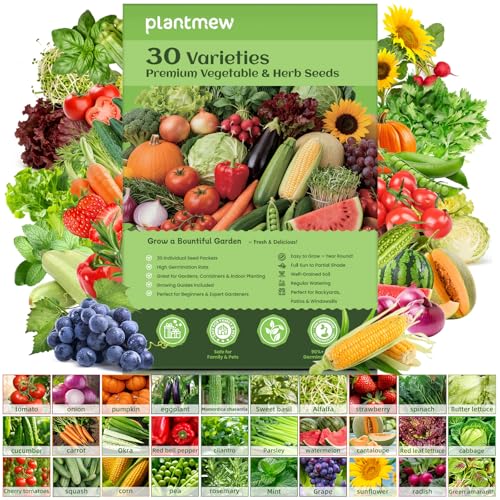
🍅Abundant Variety, High Yields: Each variety boasts up to 15,000 fruit and vegetable seeds, spanning beans, squash, lettuce, tomatoes, and more, empowering you to achieve a plentiful harvest dream effortlessly.
Selecting the Ideal Containers
When selecting containers for your indoor cucumber garden, opt for ones that are at least 12 inches deep to accommodate the cucumber’s deep roots.
Here are some ideal container options for growing cucumbers indoors:
- Plastic or resin pots: Lightweight and easy to move around.
- Fabric grow bags: Provide excellent drainage.
- Self-watering containers: Perfect for maintaining consistent moisture levels.
- Hanging baskets: Great for saving space in small areas.
Ensure that your chosen containers have adequate drainage holes to prevent waterlogging, which can lead to root rot.
Remember to disinfect your containers before planting to reduce the risk of soil-borne diseases.
Providing Adequate Light
When growing cucumbers indoors from seeds, adequate light is crucial. Here’s what you need to know:
- Sunlight: Cucumbers thrive in full sunlight. Place your containers near a south-facing window for the best light exposure.
- Supplemental Lighting: Consider using grow lights to ensure your cucumber plants receive sufficient light if natural light is limited.
- Duration: Aim for 8-10 hours of light daily for optimal growth and development.
- Distance: Keep your lights 6-12 inches away from the plants to prevent them from getting leggy.
- Consistency: Maintain a consistent light schedule to mimic natural daylight conditions for healthy plant growth.
Maintaining Proper Temperature and Humidity
To ensure successful growth when growing cucumbers from seeds indoors, paying attention to temperature and humidity is crucial.
- Temperature:
- Daytime: Keep it around 75-85°F
- Nighttime: Around 60-70°F
- Humidity:
- Aim for 60-70% humidity level
- Consider using a humidifier for drier indoor environments
Consistent monitoring and adjustment of these factors will create an ideal environment for your cucumber seeds to thrive.
Watering and Fertilizing Tips
When watering your cucumber plants, aim to keep the soil consistently moist but not waterlogged. Overwatering can lead to root rot, while underwatering can cause poor fruit development. Here are some tips to help you water effectively:
- Check the soil regularly by inserting your finger about an inch deep. If it feels dry, it’s time to water.
- Water at the base of the plants to avoid wetting the leaves, which can invite pests and diseases.
- Consider using a soaker hose or drip irrigation system for a more controlled and efficient watering method.
For fertilizing, cucumbers are heavy feeders and benefit from regular nutrients. Here’s what you need to know:
- Use a balanced fertilizer with equal parts nitrogen, phosphorus, and potassium.
- Start fertilizing when the plants have about three to four leaves and continue every two to three weeks.
- Avoid over-fertilizing as it can lead to excessive foliage growth at the expense of fruit production.
Remember, consistency is key when it comes to watering and fertilizing your cucumber plants. Keep a schedule and adjust based on your plant’s specific needs.
Conclusion
You’ve learned the key factors for successfully growing cucumbers from seeds indoors. By maintaining the right temperature, humidity levels, and proper watering techniques, you can support the healthy growth of your cucumber plants. Remember to check soil moisture regularly, water at the base of the plants, and use a balanced fertilizer to provide essential nutrients. Consistency is key in nurturing your cucumber seedlings. Keep up with watering, fertilizing, and adjust as needed based on your plants’ requirements. With these tips in mind, you’re well-equipped to embark on your indoor cucumber growing journey. Happy gardening!
Frequently Asked Questions
What are the recommended temperature ranges for indoor cucumber seed growth?
For optimal indoor cucumber seed growth, maintain daytime temperatures between 70-85°F (21-29°C) and nighttime temperatures around 60-70°F (16-21°C).
What is the ideal humidity level for indoor cucumber seed growth?
The ideal humidity level for indoor cucumber seed growth is around 60-70%. Use a hygrometer to monitor and maintain proper humidity levels.
How should I water indoor cucumber plants?
Water indoor cucumber plants consistently to keep the soil moist, not soggy. Check soil moisture regularly, water at the base of plants, and avoid overwatering.
What type of fertilizer should I use for indoor cucumber plants?
Use a balanced fertilizer for indoor cucumber plants. Follow a feeding schedule to provide essential nutrients for healthy growth.
Why is consistency important in watering and fertilizing indoor cucumber plants?
Consistent watering and fertilizing practices are crucial for successful indoor cucumber cultivation as they help maintain plant health and support optimal growth. Adjustments based on plant needs are necessary for thriving cucumber plants.
