

Have you ever dreamed of harvesting fresh cucumbers from your own backyard? Picture this: you step outside, pluck a crisp cucumber off the vine, and enjoy its garden-to-table goodness. Exciting, right? In this article, you’ll uncover the secrets to growing your very own cucumbers effortlessly.
Imagine skipping the grocery store trips and savoring cucumbers that you nurtured from seed to plate. With our simple tips and tricks, you’ll soon be relishing the taste of homegrown cucumbers in your salads, sandwiches, and snacks. Get ready to experience the joy of cultivating your cucumber patch and reaping the delicious rewards.
Selecting the Right Cucumber Variety
When selecting a cucumber variety, consider the following factors:
- In general, there are two types of cucumber varieties: slicing and pickling.
- Slicing cucumbers are typically larger with thicker skins, perfect for fresh consumption.
- Pickling cucumbers are smaller and have thinner skins, ideal for pickling and preserving.
- Determine your preference based on how you plan to use the cucumbers.
- Take into account your climate and growing conditions. Some varieties are more heat-tolerant, while others thrive in cooler climates.
- Popular slicing cucumber varieties include ‘Straight Eight’ and ‘Marketmore.’
- Common pickling cucumber varieties are ‘National Pickling’ and ‘Boston Pickling.’
Ideal Growing Conditions for Cucumbers
When it comes to cultivating cucumbers, optimal growing conditions are key. Here’s what you need to know:
- Sunlight: Cucumbers thrive in full sunlight, so ensure they get at least 6-8 hours of direct sun daily.
- Soil: Plant your cucumbers in well-draining soil rich in organic matter. Aim for a pH level between 6.0 and 7.0 for best results.
- Water: Consistent watering is crucial, especially during flowering and fruit development. Avoid overwatering to prevent issues like root rot.
- Temperature: Cucumbers prefer warmth. The ideal growing temperature range is 70-85°F.
- Support: Consider trellising or providing support for vining cucumber varieties to encourage healthy growth and straight fruits.
- Spacing: Allow for sufficient spacing between plants to ensure good air circulation and reduce the risk of diseases.
By paying attention to these fundamental growing conditions, you’ll be on your way to a successful cucumber harvest.
Preparing the Soil for Planting
To grow healthy cucumbers, start by preparing the soil properly. Here are steps to ensure your soil is ready for planting:
- Test the soil: Know the pH level and nutrient content to make necessary adjustments.
- Loosen the soil: Use a hoe or tiller to break up clumps and improve aeration.
- Add compost: Enhance soil fertility by mixing in compost or well-rotted manure.
- Incorporate organic matter: Include materials like peat moss or aged compost for better water retention.
Remember, the foundation of a successful cucumber harvest lies in the quality of your soil.
Recommended Products

Kindly NOTE: This soil tester can not be applied to test pH value of any other liquid. If the soil is too dry the indicator will not move, and water it before testing.

Accurate Soil pH Testing: Dewildetradingco Soil pH Test Strips offer measurements of soil pH levels (pH 3.5-9). As an essential tool for every gardener and grower, these test strips help determine the optimal pH for various plants, such as outdoor plants, indoor plants, gardens, grass lawns, fruit trees, flowers, vegetables, and forest shrubs.

Comprehensive Soil Analysis: Liquid soil test kits offer a comprehensive analysis of essential soil parameters, including pH, ammonia, nitrogen, phosphorus, and potassium. Having all these measurements in one kit provides a holistic understanding of the soil's fertility and health.
Planting Cucumber Seeds or Seedlings
When it comes to Planting Cucumber Seeds or Seedlings, you want to ensure you kickstart your cucumber-growing journey on the right foot. Here’s the lowdown on how to effectively get those cucumber babies in the ground:
- Selecting the Right Spot: Find a sunny area with well-draining soil for your cucumbers.
- Sowing Seeds: Plant cucumber seeds about 1 inch deep into the soil, spacing them about 6 inches apart.
- Transplanting Seedlings: If you’re opting for seedlings, wait until they have grown at least 3-4 leaves before transplanting them in your garden.
- Spacing: Allow 12-36 inches between cucumber plants to give them room to thrive.
- Support: Consider using trellises or stakes for vertical support if you’re tight on space.
Caring for Your Cucumber Plants
Taking care of your cucumber plants is crucial for a bountiful harvest. Here are some essential tips to ensure your plants thrive:
- Watering: Cucumbers need consistent watering, about 1-2 inches per week. Ensure the soil is consistently moist, especially during flowering and fruiting stages.
- Fertilizing: Use a balanced fertilizer when plants have 3-4 leaves. Avoid excess nitrogen to prevent bitter-tasting fruit.
- Weeding: Regularly remove weeds around your cucumber plants to reduce competition for nutrients.
- Pest Control: Keep an eye out for common pests like aphids, cucumber beetles, and spider mites. Consider using natural remedies or organic pesticides to keep them at bay.
- Disease Prevention: Prevent diseases like powdery mildew by avoiding overhead watering and ensuring good air circulation around plants.
- Harvesting: Harvest cucumbers when they are firm and a bright green color. Regular harvesting encourages more fruit production.
Recommended Products

【Package included】:Crafted from robust hollow steel, this garden stakes features a fade-resistant green plastic coating, offering reliable protection against wind, rain, and rust. This Trellis for Climbing Plants Outdoor comes complete with everything you need to get started: 17pcs metal stakes, 8pcs T shape connect pipe, 2 A-shaped connectors, and a 0.9x1.8meter bird net.
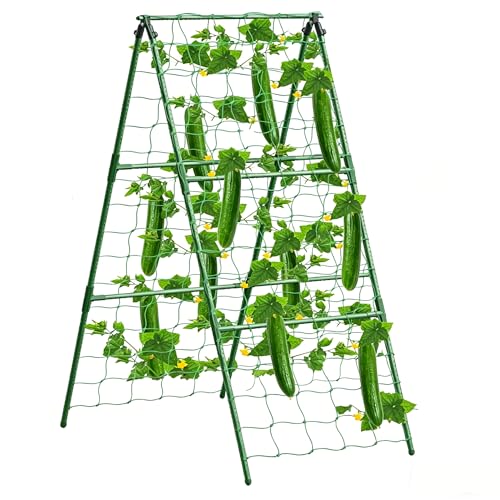
【Package included】:This Trellis for Climbing Plants Outdoor comes complete with everything you need to get started: 17pcs metal stakes, 8pcs T shape connect pipe, 2 A-shaped connectors, and a 0.9x1.8meter plant net.

【Multi-Function】 Tall Tomato Cage-Each tomato cage can be adjusted from 16inches to 47 inches in height,suit for different growth stages of plants, offering versatile supports for a wide variety of tomato plants, ensuring they grow tall and strong.
Dealing with Common Cucumber Pests and Diseases
Growing cucumbers can be a rewarding experience, but pests and diseases can threaten your harvest. Here’s how to handle them effectively:
- Pests:
- Keep an eye out for aphids, cucumber beetles, and spider mites.
- Encourage natural predators like ladybugs or lacewings.
- Use neem oil or insecticidal soap for organic control.
- Diseases:
- Watch for signs of powdery mildew, bacterial wilt, or cucumber mosaic virus.
- Plant disease-resistant varieties.
- Practice crop rotation to reduce disease pressure.
Recommended Products

3-in-1 FORMULA: Aphid spray for outdoor plants for use on roses, flowers, shrubs and trees to control listed insects, disease and mites

3-IN-1 PLANT CARE: 3-In-1 Insect, Disease & Plant Mite Control provides insect control, disease control, and plant mite control all in one; Rainproof protection starts in 4 hours and lasts up to 14 days
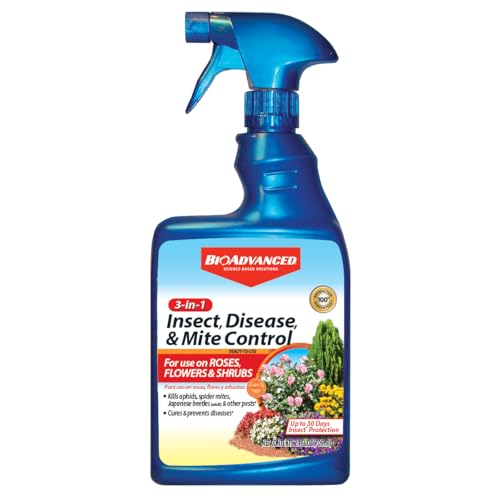
INSECT KILLER: Army worm killer. Also kills insects such as Aphids, Spider Mites, Japanese Beetles, Caterpillars, and other listed insects
Harvesting and Enjoying Your Homegrown Cucumbers
When it comes to harvesting your cucumbers, timing is key. Pick them at the right stage for the best flavor and texture. Here’s what to keep in mind:
- Size Matters: Harvest cucumbers when they reach the desired size. Check your specific cucumber variety for size guidelines.
- Inspect Regularly: Keep an eye on your cucumbers. Harvesting frequently encourages more fruit production.
- Hold Them Right: Gently twist and pull cucumbers from the vine. Be careful not to damage the plant.
Enjoying Your Harvest:
- Fresh is Best: Enjoy your cucumbers fresh for the crispiest experience.
- Salads and Snacks: Slice them up for salads, sandwiches, or as a refreshing snack.
- Pickling: Try your hand at pickling cucumbers for a tangy treat. Search for simple pickling recipes online.
Conclusion
Growing cucumbers at home can be a rewarding experience. By focusing on soil preparation, effective planting, and proper care, you can enjoy a bountiful harvest of fresh cucumbers. Remember to time your harvest based on size, inspect your plants regularly, and pick your cucumbers gently to ensure a healthy yield. Whether you prefer them fresh, in salads, sandwiches, or pickled, homegrown cucumbers offer a delicious and versatile addition to your meals. By following these steps, you’ll be on your way to enjoying the best-tasting cucumbers straight from your own garden. Happy growing!
Frequently Asked Questions
Q: Why is soil preparation important for growing cucumbers?
A: Soil preparation ensures proper drainage, nutrient availability, and root development, leading to healthier cucumber plants with higher yields.
Q: What are some effective planting tips for cucumber plants?
A: Plant cucumbers in rich, well-draining soil, provide adequate sunlight, space plants apart for air circulation, and consider using trellises for support.
Q: How can I care for cucumber plants to promote growth and fruit production?
A: Water consistently, mulch to retain moisture and reduce weeds, fertilize regularly, and watch for pests or diseases to ensure healthy growth.
Q: When is the ideal time to harvest cucumbers for the best flavor?
A: Harvest cucumbers when they reach the appropriate size for the variety, typically around 6-8 inches long, for optimal taste and texture.
Q: How should I pick cucumbers to avoid damaging the plant?
A: Gently twist cucumbers off the vine with a slight upward motion to prevent stem breakage or damage to the plant.
Q: What are some enjoyable ways to consume homegrown cucumbers?
A: Enjoy cucumbers fresh for crispness, use them in salads, sandwiches, wraps, or as a healthy snack, and try pickling for a tangy flavor profile.
