

Ever wondered how you can enjoy the taste of freshly picked cucumbers without needing a garden? Picture this: you’re craving a crisp cucumber for your salad, but you don’t have to run to the store because you’ve grown your own in a container. Exciting, right? In this article, you’ll discover the secrets to successfully growing cucumbers in containers, right on your doorstep.
No more worrying about limited space or complicated gardening techniques. With container cucumbers, you can have a bountiful harvest even in the smallest of spaces. Imagine plucking juicy cucumbers from your own plant, knowing exactly where they’ve come from and how they’ve been grown. Get ready to elevate your meals with homegrown freshness and flavor – all from the convenience of your own home.
Choosing the Right Container
When choosing a container for your cucumbers, opt for a minimum size of 5 gallons to ensure proper root growth. Larger containers, such as 10-gallon ones, provide more space for the roots to spread.
Consider materials like plastic, ceramic, or fabric. Look for containers with adequate drainage holes to prevent waterlogging, as cucumbers prefer well-draining soil.
Ensure the container is sturdy enough to support the plant as it grows. Handle and reposition the container with ease by choosing one with built-in handles or wheels.
Maximize vertical space by selecting taller containers for vining cucumber varieties. This allows the plants to climb or trail, promoting air circulation and minimizing pests.
If you prefer a sleeker appearance, decorative containers are available in various colors and designs to complement your space while growing fresh cucumbers.
Recommended Products

Thickened Nonwoven Fabric: Crafted from 300G thickened breathable nonwoven fabric, these grow bags for plants provide moderate permeability for root respiration; BPA-free material ensures food safety for organic vegetables

Sturdy Fabric Material: Our Non-Woven fabric grow bags are crafted using high-strength weaving technology, which allows the planting bags to remain lightweight while possessing an impressive ability to bear weight.

Sturdy & Garden-Ready Material: Made of 300g of thickened nonwoven fabric, these pots are moderately permeable, environmentally friendly, and BPA-free; Ideal for raised beds, patios, and outdoor gardens
Selecting the Ideal Cucumber Variety
When choosing a cucumber variety to grow in containers, consider the space you have, your taste preferences, and the container size. Here are some popular options to get you started:
- Pickling Cucumbers: Ideal for smaller containers and known for their crisp texture.
- Slicing Cucumbers: Great for fresh eating, ranging from shorter to longer varieties.
- Bush Cucumbers: Compact plants suitable for small spaces, perfect for containers.
- Vining Cucumbers: Require taller containers and offer a bountiful harvest if given vertical support.
Remember, selecting the right variety will impact your overall cucumber-growing experience and the success of your container garden.
Embrace the cucumber varieties that resonate with your garden vision and culinary preferences.
Providing Adequate Sunlight and Temperature
When it comes to growing healthy container cucumbers, adequate sunlight is non-negotiable. Cucumbers thrive in full sun, so make sure to place your containers where they’ll get at least 6-8 hours of sunlight daily.
Check the temperature, as cucumbers prefer warmer conditions, ideally around 70-90°F (21-32°C) during the day and no lower than 60°F (15°C) at night. Remember, temperature extremes can affect fruit production.
To maintain ideal temperatures, consider using a thermometer to monitor conditions. On hot days, provide shading during the hottest part of the day to prevent heat stress.
Water your container cucumbers consistently to help regulate soil temperature. Mulching can also assist in insulating the roots and maintaining soil warmth.
Remember, consistent sunlight and temperature are key to a successful container cucumber harvest.
Watering and Fertilizing Techniques
To ensure healthy growth and abundant harvests of your container cucumbers, proper watering and fertilizing practices are essential. Here’s what you need to know:
- Watering Frequency:
- Check the soil moisture regularly by inserting your finger about an inch deep into the soil.
- Water the cucumbers when the top inch of soil feels dry, usually every 1-2 days.
- Avoid overwatering to prevent root rot. Consistent moisture is key for cucumber growth.
- Fertilizing Tips:
- Use a balanced fertilizer with equal parts nitrogen, phosphorus, and potassium, or choose a fertilizer specifically formulated for vegetables.
- Apply fertilizer according to the manufacturer’s instructions, typically every 2-3 weeks.
- Consider organic options like compost or fish emulsion for a more natural approach to feeding your plants.
- Mulching Benefits:
- Mulch the soil around your cucumber plants to retain moisture, reduce weed growth, and maintain a consistent soil temperature.
- Organic mulches like straw or grass clippings can also contribute to the soil’s nutrient content as they break down.
By following these watering, fertilizing, and mulching techniques, you’ll provide your container cucumbers with the nutrients and moisture they need to thrive and produce a plentiful harvest.
Recommended Products

🥒 EXPERTLY CRAFTED FOR CUCUMBER PRODUCTIVITY – Gardenera LIQUID POWER Cucumbers Fertilizer is designed to enhance vine growth, flowering, and high-yield fruiting for all cucumber types, including slicing, pickling, and greenhouse varieties.

Contains natural ingredients to feed microbes in the soil
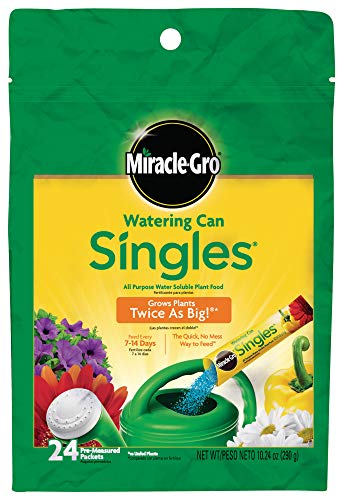
BIGGER PLANTS: Miracle-Gro Water Can Singles All Purpose Plant Food is a water soluble plant fertilizer that grows plants twice as big (vs unfed plants)
Preventing Pests and Diseases
- Inspect your plants regularly for any signs of pests or diseases.
- Remove any infected or infested leaves or fruits immediately to prevent the spread.
- Encourage natural predators like ladybugs or lacewings to help control pest populations.
- Practice crop rotation if you replant cucumbers in the same containers to reduce disease buildup.
- Avoid overhead watering to prevent the spread of fungal diseases.
| Quick Tip: | Neem oil or insecticidal soap can be used as organic solutions to control common pests on your container cucumbers. |
|---|
Recommended Products

PLANT DISEASE CONTROL: Natria Neem Oil acts as an insecticide and fungicide in one convenient spray; Ready-to-use trigger sprayer requires no mixing

NEEM OIL SPRAY FOR PLANTS – A fast-acting, multipurpose neem spray designed for indoor plants, houseplants, and garden use. This ready-to-use plant spray combines cold-pressed neem oil with a balanced botanical blend to solve common plant care issues while supporting healthy, resilient leaves.

Conclusion
You’ve now learned essential tips for successfully growing cucumbers in containers. Remember to stay vigilant against pests and diseases, regularly inspecting your plants and taking quick action when needed. Encourage beneficial insects like ladybugs to help maintain a healthy balance in your cucumber garden. Rotate your crops and avoid overhead watering to minimize disease risks. If pests become a problem, consider using organic remedies such as neem oil or insecticidal soap. With these strategies in mind, you’re well-equipped to enjoy a bountiful harvest of fresh cucumbers from your container garden. Happy gardening!
Frequently Asked Questions
1. Why is preventing pests and diseases important in container cucumber cultivation?
Preventing pests and diseases in container cucumber cultivation is crucial to ensure healthy plant growth and a bountiful harvest. Pests and diseases can cause stunted growth, reduce fruit production, and even kill the plants if left unchecked.
2. How can I prevent pests and diseases in my container cucumber plants?
Regularly inspect your plants for any signs of pests or diseases. Immediately remove any infected parts to prevent further spread. Encourage natural predators like ladybugs in your container garden to help control pest populations. Consider crop rotation to reduce disease buildup and avoid overhead watering to prevent fungal diseases.
3. What organic solutions can I use to control pests on container cucumbers?
Organic solutions like neem oil or insecticidal soap are effective in controlling common pests on container cucumbers. These solutions are safe for both the plants and the environment, making them ideal choices for organic gardening practices. Be sure to follow the instructions on the product label for best results.
