

Ever wondered how to grow delicious carrots in your Minnesota garden, even with the challenges of the climate? Picture this: you’re craving fresh, homegrown carrots, but you’re not sure where to start. That’s where we come in to guide you through the process.
In this article, you’ll discover simple yet effective tips to nurture your carrots from seed to harvest, right in your own backyard. From choosing the right varieties to tackling Minnesota’s unique growing conditions, we’ve got you covered. Get ready to enjoy the satisfaction of harvesting your very own carrots, knowing you’ve nurtured them every step of the way.
Selecting the Right Carrot Varieties
When choosing carrot varieties for your Minnesota garden, consider the following factors:
- Climate Suitability: Opt for varieties that thrive in cooler climates like Scarlet Nantes or Bolero.
- Root Shape: Decide if you prefer cylindrical, conical, or ball-shaped carrots. Varieties like Danvers and Chantenay offer different shapes.
- Color Preferences: Carrots come in various colors including orange, purple, and white. Popular choices are Napoli for orange and Cosmic Purple for a vibrant hue.
- Length of Growing Season: Select shorter-season carrots like Short ‘n Sweet if you have a shorter growing season.
- Disease Resistance: Consider varieties like Flyaway if pest control is a concern in your area.
Experiment with different varieties to find the ones that best suit your preferences and growing conditions.
Understanding Minnesota’s Climate and Growing Season
Living in Minnesota, you need to understand the unique climate and growing season to successfully grow carrots in your garden. Here are some key points to keep in mind:
- Minnesota’s climate features cold winters and short, cool summers, making it crucial to choose carrot varieties that can thrive in these conditions.
- The growing season in Minnesota typically ranges from 85 to 130 days, so selecting carrots with a shorter maturity period is essential for a successful harvest.
- It’s important to start planting your carrots early in the season to allow them enough time to develop before the first frost hits.
- Carrots prefer well-drained soil and require consistent watering to prevent cracking. Consider adding compost to improve soil quality and moisture retention.
When planning your carrot garden in Minnesota, be sure to consider these factors to maximize your harvest.
Preparing the Soil for Carrots
To set yourself up for successful carrot growth in Minnesota, preparing the soil is crucial. Here are some key steps to ensure your soil is optimal for carrot cultivation:
- Choose a sunny spot with at least 6-8 hours of sunlight daily.
- Loosen the soil to a depth of 12-15 inches to promote root development.
- Remove rocks and debris that can obstruct carrot growth.
- Mix in compost to improve soil structure and fertility.
- Ensure good drainage to prevent waterlogging, which can lead to rot.
- Avoid heavy clay soils that can hinder carrot root growth.
- Consider raised beds for better drainage and soil warmth.
Remember, healthy soil sets the foundation for healthy carrots.
Recommended Products

100% Organic & Peat-Free: Our compost mix is 100% organic & peat-free. Peat is one of Mother Nature’s most important stores of carbon. Instead of imported peat, the base of our soils is made from upcycled plant matter or wood fines from the United States!

Feed the soil not the plants - stimulate microbial activity in your soil and boost probability of success with all types of plants… like composting but faster

Planting and Caring for Carrot Seeds
To get started on growing your carrots, you’ll need to plant the seeds correctly and ensure they receive proper care throughout their growth period. Here are some essential steps for Planting and Caring for Carrot Seeds in Minnesota:
- Planting Depth: Sow carrot seeds about a quarter to a half an inch deep in the soil.
- Spacing: Space the seeds at about 1-3 inches apart to give the carrots enough room to grow.
- Watering: Keep the soil consistently moist but not waterlogged.
- Thinning: Once the carrot seedlings are a few inches tall, thin them out to provide ample space for proper development.
- Weeding: Regular weeding is crucial to prevent competition for nutrients and allow your carrots to flourish.
- Mulching: Consider mulching around the plants to retain moisture and suppress weeds.
- Fertilizing: Avoid excessive fertilization, as carrots prefer a soil with moderate fertility levels.
Incorporating these tips into your carrot-growing routine will help you achieve a successful harvest of delicious and healthy carrots in Minnesota.
Recommended Products

RUGGED AND DURABLE: Made of high-quality and durable galvanized steel, the soil blocker is compact in structure, easy to install, can be used repeatedly for a long time, comfortable and easy to operate, and is a good helper for your garden.

CONTAINS: This organic Seed Stating soil mix is a rich blend of sphagnum peat moss & perlite with yucca extract and lime to ensure correct pH.
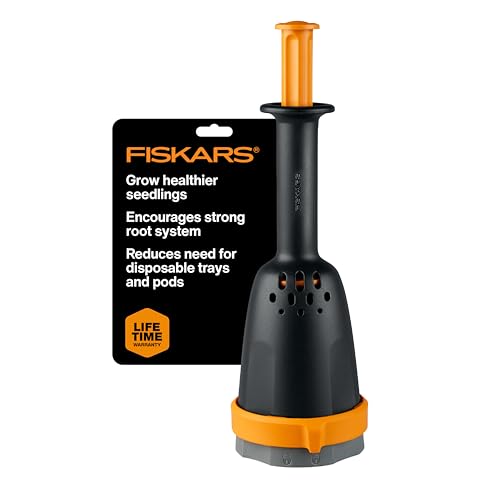
Fiskars Soil Block Maker helps you grow healthier seedlings by encouraging stronger root systems through natural air pruning
Harvesting and Storing Your Carrots
Harvesting Your Carrots
- Gently loosen the soil around the carrot to avoid breakage.
- Grasp the green top and pull steadily to extract the carrot from the ground.
- Harvest when carrots have reached the desired size.
- Trim the green tops to about an inch to prevent moisture loss.
- Store carrots in a cool, dark place to retain freshness.
- Prioritize using freshly harvested carrots for the best flavor.
- Optimal size: Harvest carrots when they reach 3/4 to 1 inch in diameter.
- Avoid: Sunburned or split carrots are less flavorful and have shorter shelf life.
- Storage: Carrots can last up to a month if stored properly.
| Carrot Harvesting Tips | Data |
|---|---|
| Optimal size | 3/4 – 1 inch |
| Shelf life | Up to a month |
Recommended Products

Unload With Ease: This harvesting bag lets you unhook the drawstring to release the reinforced bottom, unloading apples, citrus, or veggies quickly—no bending. Prevents bruising and saves time during harvest

Handwoven Natural Harvest Basket:Crafted from premium natural rattan and wicker, this harvest basket combines durability with rustic charm. The breathable woven design helps keep fresh produce ventilated, making it an ideal garden basket for harvesting vegetables, collecting flowers, or carrying fruits from your backyard garden.

Gardening fruit apron:this picking apron is perfect for your garden, farm or orchard, widely used for picking vegetables, fruits, etc,garden vegetable picking bag
Conclusion
Now you have all the tips you need to successfully grow and care for carrots in Minnesota. Remember to harvest gently, store them properly, and enjoy the fresh flavor of your homegrown carrots. By following these guidelines, you can ensure a bountiful harvest of delicious carrots that will last for weeks. Happy gardening!
Frequently Asked Questions
How should I harvest carrots in Minnesota?
When harvesting carrots in Minnesota, gently loosen the soil to prevent breakage. Pull steadily to extract the carrots and trim the green tops to avoid moisture loss.
How should I store harvested carrots?
Store harvested carrots in a cool, dark place to maintain freshness. Freshly harvested carrots offer the best flavor. Proper storage can extend the shelf life of carrots up to a month.
When is the best time to harvest carrots?
Harvest carrots when they reach 3/4 to 1 inch in diameter to prevent sunburned or split carrots. These smaller sizes are more flavorful and have a longer shelf life.
