

Ever wondered why your carrot plants end up all tangled and stunted? Picture this: you excitedly plant your carrot seeds, only to find them overcrowded and struggling to grow. Frustrating, right? But fret not! In this article, we’ll unravel the mystery of how far apart to plant your carrot plants for optimal growth and bountiful harvests.
Imagine a garden where each carrot thrives, with ample space to stretch its roots and soak up the sun. By knowing the ideal distance to sow your carrot seeds, you’re setting the stage for a vibrant and flourishing vegetable patch. Get ready to unlock the secrets that will transform your carrot-growing experience from tangled mess to organized success.
Get ready to bid farewell to overcrowded carrots and welcome a garden full of healthy, robust plants. With a few simple guidelines on plant spacing, you’ll be on your way to a carrot paradise in no time. Let’s dive in and discover the key to planting your carrot seeds just right.
Importance of Proper Plant Spacing
When it comes to planting carrot plants, proper spacing is crucial. Giving each carrot plant enough room to grow is essential for their development. Here’s why:
- Prevents overcrowding: Inadequate spacing leads to overcrowding, which can hinder proper root development and result in smaller carrots.
- Aids in air circulation: Proper spacing allows for better air circulation, reducing the risk of diseases like powdery mildew.
- Facilitates efficient harvesting: With the right spacing, you’ll have easier access to your carrots when it’s time to harvest them.
To ensure a successful harvest, follow these guidelines for optimal plant spacing:
- Space seeds about 1-3 inches apart within rows to give each plant ample space to grow.
- Leave 12-24 inches between rows to allow for easy access and ample airflow between plants.
- Thinning is key: Once the seedlings emerge, thin them to maintain proper spacing and avoid overcrowding.
Don’t underestimate the impact of proper plant spacing on the growth and yield of your carrot plants. With the right approach, you’ll set the stage for a successful and bountiful harvest.
Factors to Consider Before Planting Carrot Seeds
When determining how far apart to plant carrot seeds, there are several factors to take into account to ensure optimal growth and a bountiful harvest.
Recommended Products

Includes 10lb block of Back to the Roots compressed Coconut Coir that expands to 51qt of potting soil. A balanced pH, which means it’s truly all-purpose. Use alone or as an amendment for anything in a pot or in the ground — vegetables, flowers, herbs, and even starting seeds.

Daucus Carota Sub. Sativus: These finest quality, non-GMO, organic Rainbow Carrot seeds produce a kaleidoscopic array of sweet, juicy carrots that add a dash of color to your favorite dishes and taste great too.
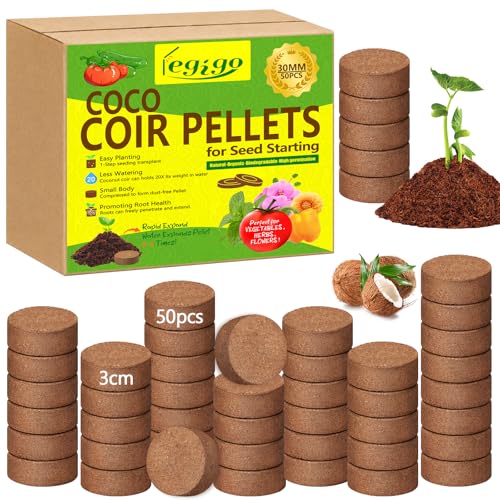
Value Package: You will receive 50 pcs sustainable raw coco coir peat, sized 1.22 inches in diameter and height 0.5 inches; Coco coir potting soil is compressed into a compact small block that is easy to store; You just need to soak a few coco soil discs at a time depending on the plant
Soil Quality
Start by assessing the soil quality in your garden. Carrots thrive in loose, well-draining soil. Ensure that the soil is rich in organic matter, free of rocks, and has a neutral pH level.
Sunlight Exposure
Consider the sunlight exposure in your garden. Carrots require at least 6-8 hours of sunlight daily for proper growth. Choose a planting location with ample sunlight for successful carrot cultivation.
Watering Needs
Watering needs are crucial for carrot plants. Carrots prefer consistent moisture levels to prevent cracking and ensure steady growth. Monitor soil moisture regularly and water deeply as needed.
Climate Considerations
Take into account your climate conditions. Carrots are cool-season crops that thrive in temperatures between 60-75°F. Plant carrots in early spring or late summer for the best results in moderate climates.
Pest and Disease Management
Be mindful of pest and disease management. Carrots are susceptible to pests like carrot rust flies and diseases such as fungal infections. Implement preventive measures like crop rotation and regular monitoring to protect your carrot plants.
Companion Planting
Consider companion planting when deciding on carrot spacing. Planting carrots alongside compatible companions like onions, leeks, or lettuce can help deter pests and promote overall plant health.
Gardening Tools
Ensure you have the necessary gardening tools on hand for planting carrots, such as a garden hoe, rake, and a reliable watering can. Proper tools make the planting process more efficient and enjoyable.
By considering these factors before planting carrot seeds, you can set the stage for successful growth and a plentiful carrot harvest.
Recommended Distance Between Carrot Plants
When planting your carrot seeds, spacing is crucial to ensure healthy growth and abundant harvests. Here’s a simple guide on the recommended distance between carrot plants to optimize their development:
- Between Seeds: Plant carrot seeds 1-3 inches apart within rows to give each seedling ample space to grow without competing with neighboring plants.
- Between Rows: Allow 12-24 inches between rows to enable easy access for maintenance tasks like weeding and watering, and to prevent overcrowding that can hinder root growth.
- Thinning Seedlings: Do not forget to thin out seedlings when they reach about 2 inches tall. Thin to 2-4 inches apart to ensure carrots have enough room to develop their roots fully.
Proper spacing between carrot plants not only promotes healthy growth but also prevents issues like overcrowding and disease. By following these spacing recommendations, you’ll set the stage for a bountiful carrot harvest.
Techniques for Achieving Optimal Plant Spacing
When planting your carrot seeds, spacing is key to ensuring healthy growth and a bountiful harvest. Here are some techniques to help you achieve optimal plant spacing:
- Thin Seedlings Early: To avoid overcrowding, thin out seedlings once they reach about 2 inches in height. This allows the remaining plants to have sufficient space to develop strong roots.
- Use a Ruler or Seed Spacer: Consider using a ruler or a seed spacing tool to help you accurately measure the distance between each seed. This ensures even spacing for optimal growth.
- Follow Seed Packet Instructions: Different carrot varieties may require specific spacing, so always refer to the instructions on the seed packet. This will help you plant your seeds at the correct distance for the best results.
- Consider Companion Planting: Pairing carrots with compatible plants can help maximize space in your garden. For example, planting carrots alongside onions or lettuce can benefit both crops.
- Monitor Growth: Keep an eye on your carrot plants as they grow. If you notice overcrowding or stunted growth, consider thinning them out further to promote healthy development.
By implementing these techniques, you can ensure that your carrot plants have the optimal spacing they need to thrive and produce a successful harvest.
Recommended Products
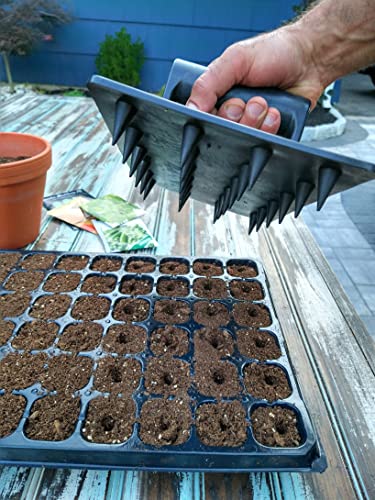
Efficiently start seeds indoors by creating perfect planting holes in 72-cell seed trays

Precise Spacing for Better Growth - This seed spacers planting tool helps you mark evenly spaced seed positions and straight planting rows, giving plants more consistent room to grow while improving garden organization and reducing guesswork.

DON’T RISK A SMALL HARVEST Avoid the frustration of low yields caused by overcrowded or poorly spaced plants. Inspired by Square Foot Gardening, Seed Spacer Tool prevents spacing mistakes that hold your garden back — giving you the big, healthy harvest you deserve.
Tips for Maintaining Adequate Spacing Throughout Growth
- Start Early: Begin thinning seedlings when they’re about 1-2 inches tall to give each plant enough space to develop a strong root system.
- Follow Guidelines: Refer to seed packet instructions for specific varieties as they may require different spacing measurements.
- Use Tools: Consider using a ruler or seed spacing tool to achieve precise distances between plants.
- Regular Monitoring: Keep an eye on your plants’ growth and make adjustments as needed to maintain the recommended spacing.
Conclusion
Ensuring the right spacing for your carrot plants is key to their healthy growth. By implementing techniques like thinning seedlings early, following seed packet instructions, and considering companion planting, you set the stage for a successful harvest. Remember to maintain adequate spacing as your plants grow by starting thinning early, adhering to variety guidelines, using precise tools, and monitoring growth regularly. Providing your carrot plants with the space they need will help them thrive and produce a bountiful harvest. Happy planting!
Frequently Asked Questions
Why is proper plant spacing important for healthy carrot growth?
Proper plant spacing is crucial for healthy carrot growth as it allows each plant to access adequate sunlight, water, and nutrients. Insufficient spacing can lead to competition among plants, stunting their growth and reducing the carrot yield.
When should I start thinning carrot seedlings?
You should start thinning carrot seedlings early, ideally when they have reached about 2 inches in height. This early thinning helps prevent overcrowding, allowing the remaining seedlings enough space to develop strong root systems and produce sizable carrots.
How can tools help with maintaining proper plant spacing?
Tools like a ruler or a planting grid can aid in maintaining proper plant spacing by ensuring accurate distances between plants. These tools help you adhere to recommended spacing guidelines, promoting optimal growth conditions for your carrot plants.
Why is it important to follow seed packet instructions for plant spacing?
Seed packet instructions provide specific guidance on the ideal spacing requirements for different carrot varieties. Following these instructions ensures that each plant has ample space to grow, preventing overcrowding and allowing for healthy root development and maximum yield.
What is companion planting, and how does it relate to plant spacing?
Companion planting involves growing different plant species in close proximity to benefit each other. When considering companion planting for carrots, proper plant spacing is essential to ensure that companion plants do not overshadow or compete with the carrot plants, allowing for harmonious growth and improved plant health.
