

Ever wondered how many carrots a single seed can produce? Picture this: you diligently plant a handful of tiny carrot seeds in your garden, eagerly anticipating the bountiful harvest. But how many carrots will actually emerge from each of those minuscule seeds? The answer might surprise you.
Exploring Carrot Seeds
When planting carrot seeds, it’s fascinating to think about the potential yield from each tiny seed. Carrot seeds are small but mighty in their ability to sprout into a bountiful harvest. Before diving into the number of carrots one seed can produce, it’s worth understanding the characteristics of carrot seeds.
Carrot seeds are typically sown directly into the soil. They are small, oval-shaped seeds that may not look like much at first glance, but don’t underestimate their potential. Germination of carrot seeds usually takes around 1-3 weeks, depending on various factors like soil temperature and moisture levels.
Carrot seedlings are delicate at first and require attentive care. Ensuring they have adequate sunlight, water, and space to grow is crucial for optimal carrot development. As they mature, you’ll notice the distinctive feathery green leaves that the carrot plant is known for.
As carrot plants reach maturity, the underground part of the plant, the taproot, expands and thickens to form the edible orange vegetable we commonly consume. Each carrot seed has the potential to give rise to a single plant with one taproot. The number of carrots produced from one seed ultimately depends on several factors like soil quality, spacing, and growing conditions.
While it may be enticing to imagine a multitude of carrots flourishing from one seed, maximizing your carrot yield often involves strategic planting and maintenance practices. Stay tuned to learn strategies for enhancing your carrot harvest.
By nurturing your carrot seeds with care and attention, you may be surprised by the abundance of carrots that can come from just a single seed.
Factors Affecting Carrot Yield
When it comes to carrot yield, several factors come into play. Here are some key points to keep in mind:
- Soil Quality: The quality of the soil you plant your carrot seeds in can significantly impact the yield. Ensure that the soil is rich in nutrients and well-draining.
- Sunlight: Carrot plants thrive in full sunlight. Make sure they receive at least 6-8 hours of sunlight daily for optimal growth and yield.
- Watering: Proper watering is crucial for carrot plants. Keep the soil consistently moist, but not waterlogged, to support healthy growth.
- Spacing: Plant spacing is essential to allow each carrot plant enough room to grow. Ensure proper spacing to prevent overcrowding and competition for resources.
- Temperature: Carrots prefer cool temperatures for growth. Ensure they are planted in temperature ranges that are conducive to their development.
- Weeding: Regular weeding is necessary to prevent weeds from competing with carrot plants for nutrients and water.
- Fertilization: Consider fertilizing your carrot plants with a balanced fertilizer to provide them with essential nutrients for healthy growth.
By considering these factors and providing your carrot seeds with the right growing conditions, you can maximize the yield of carrots produced from each seed.
Understanding Carrot Seed Varieties
When it comes to carrot seed varieties, you’ll find a wide range of options available that can influence carrot yield. Here are some key points to help you navigate the world of carrot seeds:
Open-Pollinated Seeds:
- These seeds grow carrots that are similar to the parent plant.
- They are more genetically diverse, making them well-suited for saving seeds for future plantings.
Hybrid Seeds:
- A cross between two different carrot varieties.
- They often exhibit specific desired traits, such as disease resistance or uniform size.
Heirloom Seeds:
- Passed down through generations.
- These seeds produce carrots with unique characteristics, preserving traditional varieties.
Pelleted Seeds:
- Coated in a material for easier planting and handling.
- Suitable for precise planting in rows to optimize space.
- Produced without synthetic chemicals or pesticides.
- Ideal for those prioritizing environmentally friendly and sustainable growing practices.
Understanding the different carrot seed varieties can help you choose the best option for your garden and maximize carrot production.
Recommended Products
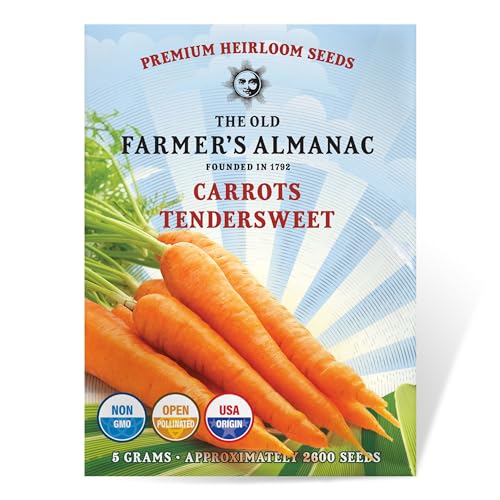
Premium Seeds: Tendersweet heirloom carrot variety offering approximately 2600 seeds for extensive garden planting and multiple growing seasons

Daucus Carota Sub. Sativus: These finest quality, non-GMO, organic Rainbow Carrot seeds produce a kaleidoscopic array of sweet, juicy carrots that add a dash of color to your favorite dishes and taste great too.

【100% Organic Heirloom Variety】 Grow delicious Scarlet Nantes Carrots with confidence! Our Carrot Seeds are non-GMO Heirloom Carrot Seeds, preserving pure flavor and allowing you to save seeds for your future garden.
Maximizing Carrot Production
When it comes to maximizing carrot production, choosing the right carrot seed variety plays a crucial role. Here are some tips to help you get the most out of each seed:
- Select high-quality seeds: Ensure you start with fresh, high-quality carrot seeds from reputable suppliers for optimal germination rates.
- Plant seeds at the right depth: Carrot seeds should be planted around 1/4 to 1/2 inch deep in loose, well-drained soil to encourage healthy root development.
- Provide consistent watering: Carrots require even moisture throughout the growing season to prevent cracking or forking. Water regularly, especially during dry spells.
- Thin seedlings appropriately: Once your carrot seedlings emerge, thin them to 1-3 inches apart to allow enough space for each root to develop fully.
- Mulch to retain moisture: Applying mulch around your carrots helps retain soil moisture, regulates soil temperature, and suppresses weeds.
- Fertilize judiciously: Avoid using excessive nitrogen, as it can result in lush foliage at the expense of root growth. Opt for a balanced fertilizer to support healthy carrot development.
By following these practices, you can help maximize carrot production and yield a bountiful harvest of delicious and nutritious carrots in your garden.
Recommended Products

NUTRIENT-RICH, NATURAL, AND ORGANIC SOIL: Grow a bountiful garden in your home with the Back to the Roots All-Purpose Natural and Organic Peat-Free 3-in-1 Seed Starting Mix, packed with the nutrients needed for your plants, flowers, and vegetables to thrive

Includes Back to the Roots Compressed Seed Starting Potting Mix that expands to 12qt of soil. A balanced pH, which means it’s truly all-purpose. Use alone or as an amendment for anything in a pot or in the ground — vegetables, flowers, herbs, and even starting seeds.

EASIER SEED STARTING: Our Burpee SuperSeed tray with 36 flexible pop-out cells is designed to simplify indoor seed starting for all your favorite vegetables, flowers and herbs. Just add seed starting mix, seeds, water and light to get growing! Rows are labeled alphanumerically for seedling identification with included Plant-o-Gram diagram. Tray dimensions: 11.5" x 10-3/8" x 2-1/4"
Exploring Carrot Seed Planting Methods
When it comes to planting carrot seeds, a few methods can help you achieve successful growth and maximize your harvest potential. Here are some tips to consider:
- Direct Sowing: Planting carrot seeds directly into the soil is a common method. Ensure the soil is deeply tilled to avoid obstacles for the root growth.
- Seed Tape: Using seed tape can help ensure proper spacing between seeds, reducing the need for thinning later on.
- Containers: If space is limited or you prefer container gardening, opt for deep containers to accommodate the carrot’s long taproot.
- Succession Planting: Sow new seeds every few weeks to stagger harvest times and enjoy a continuous supply of fresh carrots.
- Row Covers: Protect young carrot seedlings from pests and harsh weather conditions by using row covers until they are more established.
Recommended Products
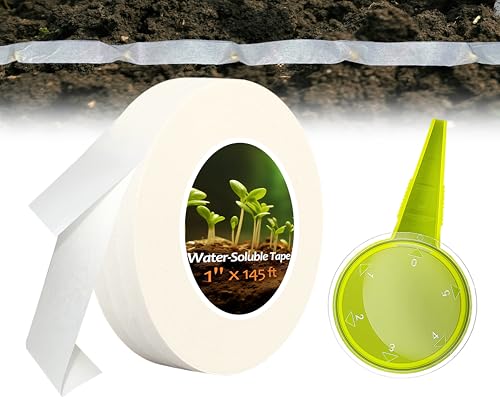
🌱 Planting Kit: Includes 1 roll of seed tape (1” x 145 ft) and a seeder tool for 5 seed sizes. This gardening tape for plants makes sowing faster, easier, and more efficient—perfect for precision planting in your garden, and holds seeds tight so they won’t fall off.

Measured Convenience: at approximately 0.39 inch x 98.43 ft in size, each roll of seed tape provides the ideal dimensions for precise planting; This size ensures consistent spacing and growth for a variety of seeds without the hassle of measuring and cutting extra tape

Fast Dissolve: It is made of water-soluble paper material and can dissolve in water within about 30 seconds. It is environmentally friendly and biodegradable, without leaving residues, safe for soil and plants, and makes the planting process more efficient.
Conclusion
You’ve now explored effective methods for planting carrot seeds to boost growth and maximize your harvest potential. By directly sowing into well-prepared soil, using seed tape for precise spacing, opting for deep containers, practicing succession planting, and safeguarding seedlings with row covers, you’re set for successful carrot cultivation. These strategies are geared towards streamlining your planting process and ensuring a bountiful carrot yield in your garden. Happy planting!
Frequently Asked Questions
How should I plant carrot seeds for optimal growth?
To enhance growth, plant carrot seeds by directly sowing them into deeply tilled soil. This method allows for proper root development and easy access to nutrients.
What is the benefit of using seed tape for planting carrot seeds?
Seed tape ensures proper seed spacing, preventing overcrowding and allowing each seedling enough space to grow into a healthy carrot.
Can I grow carrots in containers?
Yes, you can grow carrots in deep containers, which provide ample space for root growth and make them suitable for container gardening.
What is succession planting, and how does it benefit carrot cultivation?
Succession planting involves planting small batches of seeds at intervals to ensure a continuous supply of carrots throughout the growing season, maximizing harvest potential.
How can I protect carrot seedlings from pests and adverse weather conditions?
To protect carrot seedlings, use row covers to shield them from pests like insects and birds, as well as adverse weather conditions such as frost or excessive heat.
