

Ever wondered if your carrots are getting enough water? Picture this: you diligently plant your carrot seeds, eagerly waiting for them to sprout, only to find wilted leaves and stunted growth. Fret not, as we dive into the world of carrot care to ensure your veggies thrive. Are you ready to discover the secret to keeping your carrots happy and hydrated? Let’s explore how to give your carrots the water they crave for optimal growth and flavor.
Importance of Water for Carrots
Ensuring adequate water is crucial for carrot growth. Without proper hydration, carrots can develop wilted leaves and experience stunted growth.
- Watering Schedule: Consistent watering is key. Carrots prefer even moisture and regular watering to thrive.
- Hydration Needs: Carrots are made up of about 88% water. Providing sufficient hydration is essential for their development.
- Deep Watering: Promote strong root growth by watering deeply to encourage carrots to reach for moisture deeper in the soil.
| Water Content in Carrots |
|---|
| Carrots are around 88% water |
- Drought Resistance: While carrots need consistent moisture, they are also drought-resistant once established – so don’t overwater.
- Signs of Under-Watering: Watch for curling leaves and slow growth, which indicate your carrots need more water.
- Proper Drainage: Ensure adequate drainage to prevent waterlogging, as soggy soil can lead to rot.
With the right approach to watering, you can help your carrots thrive and enjoy a bountiful harvest.
Recommended Products

Automatic recharging rain/irrigation water (Almost maintenance free!)

Supplies plants with drips of water

Direct 260g Comfort: The 100% polyester body delivers soft warmth, moisture management, light layering, and practical shape retention
Signs of Water Stress in Carrots
When it comes to Signs of Water Stress in Carrots, it’s crucial to keep a close eye on your plants for any indications that they might not be getting enough hydration. Here are some common signals to watch out for:
- Wilting: Carrot leaves that are drooping or wilting are a clear sign that your plants are in need of water.
- Stunted Growth: If you notice that your carrot tops aren’t growing as they should, it could be a sign that they’re not getting sufficient water.
To ensure your carrots stay healthy and vibrant, it’s essential to address these signs of water stress promptly. By staying vigilant and adjusting your watering practices as needed, you can help your carrots thrive and reach their full potential.
How Much Water Do Carrots Need?
For optimal growth, carrots require about 1-1.5 inches of water per week.
It’s crucial to maintain consistent soil moisture levels to support their development.
Deep watering is key, encouraging strong root growth.
Watch out for signs of under-watering, like wilting leaves.
In sandy soils, more frequent watering may be necessary to prevent drying out.
Consider mulching to retain moisture and reduce evaporation.
Adjust watering based on weather conditions to meet your carrots‘ specific needs.
Proper hydration is vital for healthy, thriving plants.
Recommended Products

Trusted Since 2015: Become one of the many plant lovers who rely on the proven accuracy of XLUX. Established in 2015, our soil moisture meter has earned over 60,000+ verified ratings for its consistent performance. While many many newer brands come and go, we provide the long-term reliability and quality that American households have trusted for over a decade.

Accurate Soil Moisture Detection: The XLUX Soil Moisture Meter can tell you if the soil deep inside your pot or garden is dry, moist or wet; whereas your eyes and fingers can only determine the moisture level of the soil surface. The probe is 5.5 inches (14 cm) longer than regular styles, allowing it to measure the soil moisture at the bottom of larger and deeper flower pots.

Kindly NOTE: This soil tester can not be applied to test pH value of any other liquid. If the soil is too dry the indicator will not move, and water it before testing.
Best Practices for Watering Carrots
When it comes to watering your carrots, there are a few best practices to keep in mind to ensure their health and optimal growth. Here’s what you need to know:
- Consistent Watering: Aim for about 1-1.5 inches of water each week to support your carrots’ growth.
- Deep Watering: Ensure the water reaches deep into the soil to encourage strong root development.
- Monitoring Moisture: Watch for signs of under-watering, especially in sandy soils where more frequent watering may be necessary.
- Mulching: Consider using mulch to help retain moisture in the soil and reduce evaporation.
- Adjusting Frequency: Be ready to adjust your watering frequency based on weather conditions to meet the needs of your carrots.
Remember, proper hydration is crucial for the health and thriving growth of your carrots.
Recommended Products
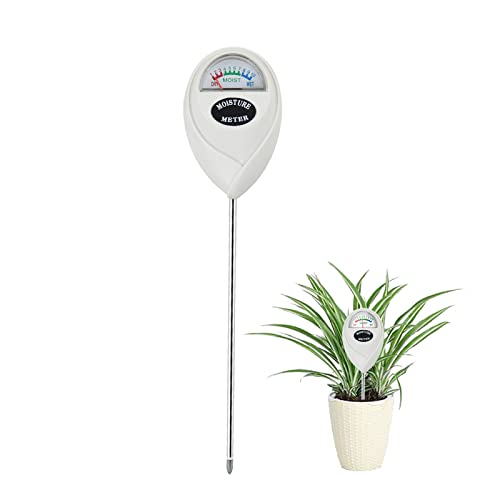
【SAVE YOUR PLANTS】: Over watering can cause problems with your plants or even kill them. This soil moisture meter helps you know the soil is dry, moist or wet.No more over watering!
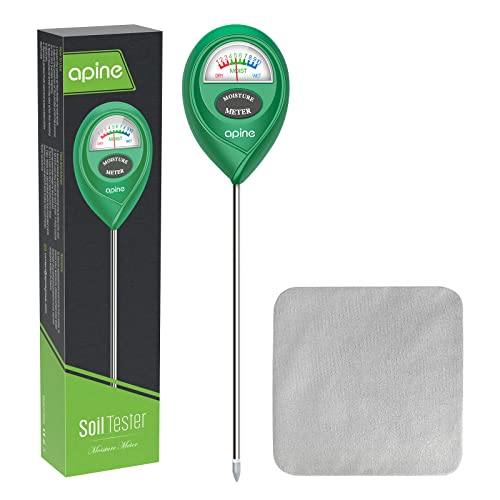
Quick Measurement:Just insert the probe of the plant water meter into the soil about two to four inches,wait a few seconds,you can get the soil moisture immediately.The color division of the dial is simple and clear,and the elderly can easily use it

Accurate Soil Moisture Detection: The XLUX Soil Moisture Meter can tell you if the soil deep inside your pot or garden is dry, moist or wet; whereas your eyes and fingers can only determine the moisture level of the soil surface. The probe is 5.5 inches (14 cm) longer than regular styles, allowing it to measure the soil moisture at the bottom of larger and deeper flower pots.
Conclusion
You’ve learned the essential watering practices for nurturing healthy and vibrant carrots. Consistent watering is key, ensuring your carrots receive the right amount of moisture each week. Remember to water deeply to encourage robust root development. Monitoring soil moisture levels, especially in sandy soils, is crucial for your carrot’s well-being. Consider using mulch to help retain moisture and adjust your watering schedule based on weather conditions. By providing adequate hydration, you’re setting your carrots up for success and promoting their optimal growth.
Frequently Asked Questions
How much water do carrots need per week?
Carrots require 1-1.5 inches of water per week for optimal growth.
Why is deep watering important for carrots?
Deep watering promotes strong root development in carrots.
How can I monitor moisture levels for carrots?
Regularly check moisture levels, particularly in sandy soils prone to drying out quickly.
What can I use to retain moisture for carrots?
Mulch is recommended to help retain moisture around carrot plants.
Should I adjust watering frequency based on weather conditions?
Yes, adjust watering frequency according to weather conditions to ensure proper hydration for carrots.
