
Close Menu
    Veggie Knowledge
    • Home
    • Growing Vegetables
      • Beets
      • Broccoli
      • Carrots
      • Cucumber
      • Green Beans
    • Tips and Advice
    • Free eBook
    • About
      • Contact
      • Privacy Policy
    Veggie Knowledge
    Home»Carrots»How to Successfully Harvest Homegrown Carrots in Jamaica: Expert Tips & Techniques
    Carrots

    How to Successfully Harvest Homegrown Carrots in Jamaica: Expert Tips & Techniques

    Lucy StoneBy Lucy StoneApril 1, 20246 Mins Read
    Facebook Twitter Pinterest LinkedIn Tumblr WhatsApp VKontakte Email
    Share
    Facebook Twitter LinkedIn Pinterest Email

    Ever wondered what it takes to grow your own vibrant carrots right in your backyard in Jamaica? Imagine the satisfaction of harvesting fresh, crunchy carrots that you nurtured from seed to table. Whether you’re a seasoned gardener or just starting out, cultivating carrots can be a rewarding experience.

    Contents show
    1 Selecting the Ideal Carrot Varieties
    2 Preparing the Soil for Carrots
    3 Planting Carrot Seeds
    4 Watering and Maintenance Tips
    5 Harvesting Your Homegrown Carrots
    6 Conclusion
    7 Frequently Asked Questions
    7.1 When is the best time to harvest homegrown carrots in Jamaica?
    7.2 What size should the carrots be for harvesting?
    7.3 What color should the carrots be when harvested?
    7.4 What is the proper technique for harvesting homegrown carrots?
    7.5 What should be done post-harvest?

    Picture this: You stroll through your garden, the warm Jamaican sun kissing your skin, and pluck a carrot straight from the earth. No pesticides, no long travels – just pure, organic goodness. In this article, you’ll discover simple yet effective tips to grow your carrots successfully in Jamaica’s tropical climate.

    Get ready to elevate your gardening game and savor the flavor of homegrown carrots. From choosing the right soil to mastering watering techniques, we’ve got you covered. Let’s embark on this carrot-growing journey together and reap the colorful rewards of your labor.

    Selecting the Ideal Carrot Varieties

    When choosing carrot varieties to grow in Jamaica, consider the following factors:

    • Determine your soil type to match it with a compatible carrot variety.
    • Select shorter varieties for heavier soils and longer varieties for lighter soils.
    • Consider growing baby carrot varieties for shallow or rocky soils.
    • Look for heat-tolerant varieties suited for Jamaica’s tropical climate.
    • Opt for disease-resistant varieties to ensure a successful harvest.

    Recommended Products

    Heat & Drought Tolerant Vegetable Seeds Collection - 10 Variety Pack for Hot Climates & Dry Conditions - Heirloom Non-GMO Varieties for Southern, Texas & Zone 7-10 Gardens - Survival Garden Seeds
    Heat & Drought Tolerant Vegetable Seeds Collection - 10 Variety Pack for Hot Climates & Dry Conditions - Heirloom Non-GMO Varieties for Southern, Texas & Zone 7-10 Gardens - Survival Garden Seeds

    HEAT & DROUGHT READY CROPS - Selected vegetables that perform in hot weather and low-water conditions, ideal for southern gardens, dry climates, and challenging growing seasons
    VIEW LATEST PRICE

    As an affiliate, we earn on qualifying purchases.

    Rainbow Carrot Seeds for Planting Heirloom Packets 750 Seeds – Plant & Grow Rainbow Carrots in Home Outdoor Garden, Great Gardening Gift – 1 Packet
    Rainbow Carrot Seeds for Planting Heirloom Packets 750 Seeds – Plant & Grow Rainbow Carrots in Home Outdoor Garden, Great Gardening Gift – 1 Packet

    Premium Quality Seeds: Harvested from high-quality harvests to ensure freshness and flavor!

    VIEW LATEST PRICE

    As an affiliate, we earn on qualifying purchases.

    MUST READ:  Optimize Carrot Growth: Master Crop Rotation Techniques for Success
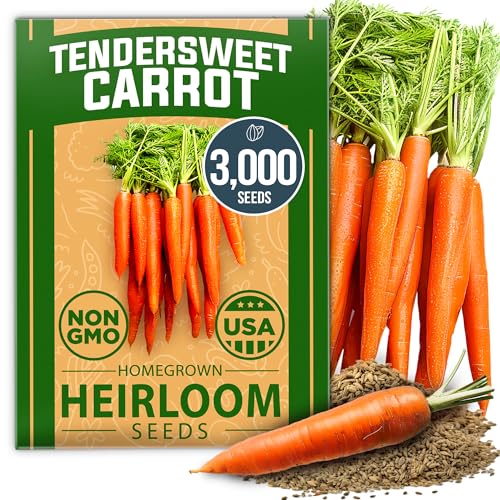
    HOME GROWN Tendersweet Carrots Seeds 3000+ Heirloom Non-GMO Seeds for Planting,High Germination,Sweetest Coreless Root Vegetable, Crunchy Summer Garden,Great for Canning (Daucus carota subsp. sativus)
    HOME GROWN Tendersweet Carrots Seeds 3000+ Heirloom Non-GMO Seeds for Planting,High Germination,Sweetest Coreless Root Vegetable, Crunchy Summer Garden,Great for Canning (Daucus carota subsp. sativus)

    HARVEST VEGETABLES WITH CONFIDENCE - Grow a thriving garden with our carrot seeds for planting. These high-germination vegetable seeds ensure lush and healthy carrot plants. Perfect for creating a robust supply of heirloom carrots, they guarantee success for your fall vegetable seeds for planting.

    VIEW LATEST PRICE

    As an affiliate, we earn on qualifying purchases.

    Preparing the Soil for Carrots

    To ensure successful carrot growth in Jamaica, preparing the soil is crucial. Here are some steps you can take:

    • Test the Soil: Conduct a soil test to determine pH levels and nutrient content. Carrots thrive in well-draining soil with a pH level between 6.0 and 6.8.
    • Loosen the Soil: Use a garden fork or tiller to loosen the soil up to 12 inches deep. This allows carrots to grow straight and prevents them from forking.
    • Remove Debris: Clear the area of rocks, sticks, and other debris that can hinder carrot growth. Smooth the soil surface for even planting.
    • Add Organic Matter: Mix in compost or aged manure to improve soil structure and provide essential nutrients for carrot development.
    • Avoid Fresh Manure: Refrain from using fresh manure, as it can cause carrots to fork. Opt for well-aged compost for better results.
    • Consider Raised Beds: If your soil is heavy or compacted, raised beds can provide better drainage and aeration for carrot roots.
    • Protect from Pests: Install barriers or row covers to prevent pests like carrot rust flies from damaging your crop.

    By taking these steps to prepare your soil, you set the foundation for healthy and abundant carrot harvests in Jamaica.

    Recommended Products

    Espoma Organic Raised Bed Mix - All Natural and Organic Potting Soil Mix for Growing Vegetables and Herbs in Raised Garden Beds. for Organic Gardening.1.5 Cubic Foot Bag
    Espoma Organic Raised Bed Mix - All Natural and Organic Potting Soil Mix for Growing Vegetables and Herbs in Raised Garden Beds. for Organic Gardening.1.5 Cubic Foot Bag

    FOR USE: Ideal for raised garden beds and outdoor containers.

    VIEW LATEST PRICE

    As an affiliate, we earn on qualifying purchases.

    FoxFarm Raised Bed Planting Mix, 1.5cu ft - All-Purpose Garden Soil with Earthworm Castings & Oyster Shell - Ready-to-Use Blend for Vegetables, Flowers, Fruits & Herbs
    FoxFarm Raised Bed Planting Mix, 1.5cu ft - All-Purpose Garden Soil with Earthworm Castings & Oyster Shell - Ready-to-Use Blend for Vegetables, Flowers, Fruits & Herbs

    Ready-to-Use Formula: No mixing or extra steps required. Simply pour and plant - perfect for gardeners of all experience levels.

    VIEW LATEST PRICE

    As an affiliate, we earn on qualifying purchases.

    True Organic Raised Bed Food – Organic Fertilizer for Herbs, Flowers, Vegetables & Fruits – 4lb Bag Covers 30 Sq. Ft.
    True Organic Raised Bed Food – Organic Fertilizer for Herbs, Flowers, Vegetables & Fruits – 4lb Bag Covers 30 Sq. Ft.

    Optimized for Raised Beds: True Organic Raised Bed Food is specially designed to support abundant growth of herbs, flowers, vegetables, and fruits in raised beds and large containers.

    MUST READ:  How to Keep Pests Away from Carrot Patches Naturally: Effective Strategies Revealed
    VIEW LATEST PRICE

    As an affiliate, we earn on qualifying purchases.

    Planting Carrot Seeds

    When planting carrot seeds, follow these steps for a successful start:

    • Prepare the Soil: Ensure the soil is loose, free of debris, and has good drainage.
    • Sow Seeds: Plant carrot seeds directly into the soil, about a quarter inch deep and one inch apart.
    • Spacing: Keep rows about one foot apart to allow for growth.
    • Watering: Keep the soil consistently moist for germination.
    • Thin Seedlings: Once the seedlings are a few inches tall, thin them to about 3 inches apart to allow for proper root development.
    • Weeding: Keep the area around your carrot plants free of weeds to prevent competition for resources.

    Remember, proper planting is key to a successful carrot harvest in Jamaica.

    Watering and Maintenance Tips

    You’re almost there! Proper watering and maintenance are crucial for healthy carrot plants. Here are some essential tips for success:

    • Watering: Carrots need consistent moisture, especially during germination. Keep the soil moist, not soggy.
    • Watering Schedule: Aim for around 1 inch of water per week, adjusting based on weather conditions.
    • Mulching: Consider using mulch to help retain moisture and reduce weeds. Plus, it can prevent the carrot tops from turning green.
    • Weeding: Stay on top of weeds to reduce competition for nutrients and water.
    • Thinning: Once carrot seedlings are a few inches tall, thin them to the proper spacing. Crowded carrots won’t develop well.
    • Fertilizing: Avoid high-nitrogen fertilizers. Instead, opt for a balanced fertilizer to support root growth.

    Recommended Products

    Carrots Love Tomatoes: Secrets of Companion Planting for Successful Gardening
    Carrots Love Tomatoes: Secrets of Companion Planting for Successful Gardening
    VIEW LATEST PRICE

    As an affiliate, we earn on qualifying purchases.

    HFS(R) Red Plastic Film Plastic Mulch 1 Mil LLDPE 4X600FT Anti-UV for Carrots, Corn, Leeks
    HFS(R) Red Plastic Film Plastic Mulch 1 Mil LLDPE 4X600FT Anti-UV for Carrots, Corn, Leeks

    [SIZE]:4X600FT; Thickness:1mil

    VIEW LATEST PRICE

    As an affiliate, we earn on qualifying purchases.

    Fyrome Garden Vegetable Mulch Film, Garden Plastic Film, 4 ft X 38 ft Agricultural Plant Grow Greenhouse Perforated PE 5 Holes for Potato, Tomato, Eggplant, Strawberry, Black
    Fyrome Garden Vegetable Mulch Film, Garden Plastic Film, 4 ft X 38 ft Agricultural Plant Grow Greenhouse Perforated PE 5 Holes for Potato, Tomato, Eggplant, Strawberry, Black

    【Perfect Sun Blocking】Can block sunlight in the soil and effectively inhibit the growth of grass. Our black polyethylene floor covering panels will provide an ideal environment for growing vegetables and fruits.

    MUST READ:  How to Regrow Carrots from Scraps: Tips for Successful Plant Care and Harvesting
    VIEW LATEST PRICE

    As an affiliate, we earn on qualifying purchases.

    Harvesting Your Homegrown Carrots

    When it comes to Harvesting Your Homegrown Carrots, timing is key. You’ll want to wait until your carrots have reached the ideal size and color for the variety you planted. Here are some tips for harvesting your carrots:

    • Timing: Carrots are usually ready for harvest between 60 to 80 days after planting, depending on the variety. Check the seed packet for more specific information.
    • Size: Most carrots are ready to harvest when they reach a diameter of about 1/2 to 3/4 inch. Don’t worry if they’re slightly smaller or larger; taste is the most important factor.
    • Color: Look for a vibrant, rich color. For orange carrots, this typically means a deep orange hue.
    • Technique: Gently loosen the soil around the carrot with a trowel or fork, being careful not to damage the roots. Pull the carrot straight up and out of the ground.
    • Storage: After harvesting, remove the tops (foliage) as they can leach moisture from the roots. Store your carrots in the refrigerator in a plastic bag for up to a few weeks.

    Conclusion

    You’ve now mastered the art of harvesting your homegrown carrots in Jamaica. Remember, timing is key – wait for that perfect size and color before pulling them from the earth. With the right technique and a gentle touch, you’ll have those vibrant carrots ready for your table in no time. Don’t forget the post-harvest care – remove the foliage and store them in the fridge for that ultimate freshness. You’re now equipped with all the knowledge you need to grow and harvest delicious carrots right in your own backyard. Happy harvesting!

    Frequently Asked Questions

    When is the best time to harvest homegrown carrots in Jamaica?

    Homegrown carrots in Jamaica are best harvested between 60 to 80 days after planting.

    What size should the carrots be for harvesting?

    Carrots are ready for harvest when they reach a diameter of 1/2 to 3/4 inch.

    What color should the carrots be when harvested?

    Harvest carrots when they exhibit a vibrant color based on the specific variety planted.

    What is the proper technique for harvesting homegrown carrots?

    Use a gentle technique to pull the carrots from the soil to avoid damaging them.

    What should be done post-harvest?

    After harvest, remove the foliage and store the carrots in the refrigerator for optimal freshness.

    Share. Facebook Twitter Pinterest LinkedIn Tumblr WhatsApp Email
    Previous ArticleAre Cucumber Seeds Harmful or Healthy? Unveiling the Truth
    Next Article Expert Tips for Growing Micro Broccoli: A Complete Guide
    lucy stone
    Lucy Stone

      Hi, I'm Lucy! As a passionate gardener and writer for Veggie Knowledge, I've dedicated my life to exploring the secrets of successful vegetable growing. My love for gardening blossomed in my grandmother's backyard, where I learned how much joy a single plant can bring. I aim to share that joy through practical tips and insightful advice, helping you cultivate your own thriving garden

      Related Posts

      5 Effective Organic Fertilizers for Growing Carrots: A Complete Guide

      July 9, 2024

      How to Cultivate Prize-Worthy Giant Carrots: Pest Control Tips Included

      July 9, 2024

      Why You See White Spots on Carrot Leaves and How to Prevent Them

      July 9, 2024

      How to Harvest and Enjoy Perfect Carrots from Your Vertical Garden

      July 9, 2024
      Leave A Reply Cancel Reply

      Affiliate Disclosure

      As an Amazon Associate, I earn from qualifying purchases.

      Recommended Reading

      How Tall Do Tomato Plants Grow? Everything You Need to Know

      Growing Vegetables

      How to Grow Onions Sweeter: Expert Secrets for Success

      Growing Vegetables

      How to Grow Fall Ornamental Cabbage in West Tennessee: Guide

      Growing Vegetables

      How to Grow Persian Cucumbers: Master the Basics Today

      Growing Vegetables

      How Does Black Pepper Grow? Everything You Need to Know

      Growing Vegetables

      How to Grow Corn Plant: Pro Tips for a Bountiful Harvest

      Growing Vegetables

      How to Grow a Strawberry Plant: Pro Tips for a Bountiful Harvest

      Growing Vegetables

      Harvesting After Miracle-Gro: How Long Should You Wait?

      Growing Vegetables
      How VeggieKnowledge.com Got Started

      We started this website to share our love of vegetables with the world, and to help people discover the many benefits of growing, cooking, and eating fresh and delicious vegetables.

      Got questions or comments? You can reach us at [email protected].

      Featured Articles

      10 Common Gardening Mistakes (and How to Avoid Them)

      How Much Sun Do Vegetables Really Need?

      Beginner’s Guide to Growing Vegetables: What to Know Before You Start

      Watering 101: How to Keep Your Plants Happy and Healthy

      The Best Vegetables for First-Time Gardeners

      Categories
      • Beets
      • Broccoli
      • Carrots
      • Cucumber
      • Green Beans
      • Tips and Advice
      Veggie Knowledge
      • Home
      • About
      • Contact
      • Privacy Policy
      • Affiliate Disclosure
      • Free eBook
      © 2026 Veggie Knowledge

      Type above and press Enter to search. Press Esc to cancel.