

Ever wondered how to grow the crunchiest, freshest carrots right in your backyard? Picture this: you step outside, pluck a vibrant orange carrot straight from the earth, and savor its sweet, earthy goodness. Sound enticing? In this article, we’ll guide you through the simple yet rewarding process of growing carrots in dirt.
Have you ever bought carrots from the store only to find them lackluster in taste and texture? You’re not alone. By learning the art of growing carrots in your own soil, you’ll not only enjoy superior flavor and nutrition but also relish the satisfaction of harvesting your homegrown produce.
Get ready to discover the secrets to cultivating thriving carrot crops, from selecting the right soil to nurturing your plants to maturity. With our expert tips and tricks, you’ll soon be delighting in the bountiful harvest of your very own homegrown carrots.
Selecting the Right Soil
When selecting soil for your carrot patch, opt for loose, well-draining soil rich in organic matter. Look for soil that crumbles easily in your hands, allowing roots to penetrate and grow smoothly.
Consider soil pH, aiming for a pH level between 6.0 and 6.8. This slightly acidic range is ideal for healthy carrot growth.
Amend heavy or compacted soil with compost to improve texture and ensure proper moisture retention. Avoid soils that are rocky or heavy in clay, as they hinder root development.
Choosing Carrot Varieties
When picking carrot varieties, consider factors like size, shape, color, and taste to suit your preferences.
- Nantes: Sweet and tender, ideal for rocky soil or containers due to their shorter length.
- Chantenay: Excellent for heavy soil, short and thick with a sweet flavor, great for canning.
- Imperator: Long and straight, perfect for deep, loose soil with a sweet crunch.
- Danvers: All-purpose, good for most soil types, known for hearty, stocky roots.
Select a variety based on your soil type, climate, and desired flavor profile.
Planting Seeds or Seedlings
When planting your carrot seeds or seedlings, ensure your soil is loose, well-draining, and free of stones to encourage straight root growth.
Sow your carrot seeds about ¼ inch deep and 1 inch apart in rows spaced 12-18 inches apart for optimal growth.
For seedlings, transplant them carefully into pre-dug holes to avoid disturbing their roots, spacing them 2-4 inches apart in the row.
Keep the soil consistently moist but not waterlogged to aid in germination, typically 7-21 days after planting.
Thinning is crucial to prevent overcrowding, ensuring each carrot has enough space to develop fully. Thin seedlings to 2-3 inches apart once they reach 2 inches in height.
Consider using mulch to retain moisture and suppress weeds, helping your carrots thrive and reducing maintenance needs.
Watering and Sunlight Needs
When it comes to watering, carrots prefer a consistently moist soil. Make sure to water deeply to encourage root growth but avoid overwatering to prevent rot. In general, aim to provide about 1 inch of water per week, adjusting for rainfall.
As for sunlight, carrots thrive in full sun. They need at least 6 hours of sunlight daily for optimal growth. If you’re growing carrots in a hotter climate, some light afternoon shade can help prevent them from becoming bitter.
To check if your carrots need watering, simply stick your finger into the soil near the plants. If it feels dry about an inch down, it’s time to water. Remember, consistent care with watering and sunlight will help you grow healthy and flavorful carrots in your own backyard.
Recommended Products
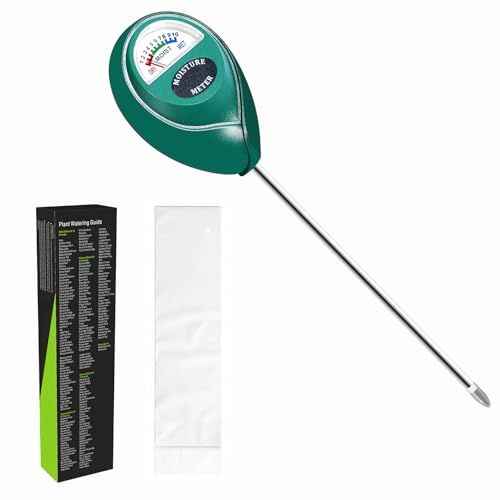
Trusted Since 2015: Become one of the many plant lovers who rely on the proven accuracy of XLUX. Established in 2015, our soil moisture meter has earned over 60,000+ verified ratings for its consistent performance. While many many newer brands come and go, we provide the long-term reliability and quality that American households have trusted for over a decade.

Accurate Soil Moisture Detection: The XLUX Soil Moisture Meter can tell you if the soil deep inside your pot or garden is dry, moist or wet; whereas your eyes and fingers can only determine the moisture level of the soil surface. The probe is 5.5 inches (14 cm) longer than regular styles, allowing it to measure the soil moisture at the bottom of larger and deeper flower pots.
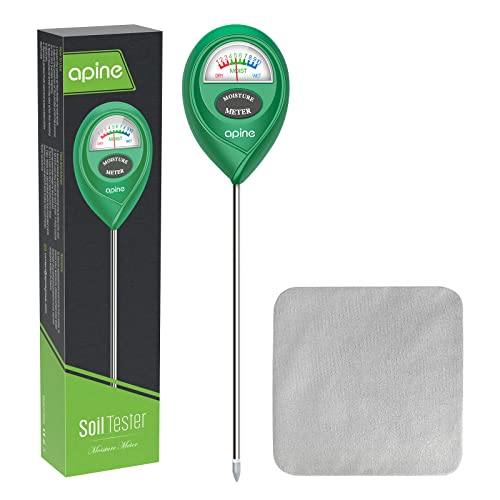
Quick Measurement:Just insert the probe of the plant water meter into the soil about two to four inches,wait a few seconds,you can get the soil moisture immediately.The color division of the dial is simple and clear,and the elderly can easily use it
Harvesting Your Carrots
When it’s time to harvest your carrots, you want to ensure they reach their peak flavor and maturity. Here’s how you can tell if they are ready and the best ways to harvest them:
- Check the Size: Carrots are usually ready to be harvested when they reach about 1/2 to 3/4 inch in diameter. However, smaller varieties may be ready sooner.
- Inspect the Tops: Look at the green foliage on top of the carrots. Once the tops reach about 3/4 inch in diameter, your carrots are likely ready to be pulled.
- Assess the Color: Carrots should have their full color when mature, whether it’s orange, purple, or white, depending on the variety you planted.
- Gently Pull or Dig: To harvest, grasp the greens near the root and gently pull up. If the carrots are resistant, loosen the soil around them with a trowel before pulling them out completely.
Remember, harvesting your carrots is a rewarding experience, especially when you see the vibrant colors and taste the freshness of your home-grown produce.
Recommended Products

GARDENING ESSENTIAL: Heavy duty, ergonomic hand trowel ideal for a variety of gardening tasks like digging in tough soil, maintaining your herb garden, digging all holes, turning soil, and more to encourage overall plant health and appearance

GARDENING ESSENTIAL: Ergonomic hand trowel with oversized head ideal for a variety of gardening tasks like digging in tough soil, maintaining your herb garden, digging all holes, turning soil, and more to encourage overall plant health and appearance

3 Piece Garden Tool Set: The gardening hand tools set includes a garden trowel, a garden rake and a transplanting spade with graduated scale. Great gardening supplies for weeding, digging, transplanting, planting, loosening soil, etc. The great lawn and garden tools to meet most of your daily gardening needs
Conclusion
Now that you’ve learned about the indicators for harvesting carrots, you’re well-equipped to enjoy the satisfying experience of reaping your home-grown produce. Remember to consider the size, foliage, and color of your carrots to determine their readiness for harvest. When the time comes, gently pull or dig them up, reveling in the vibrant colors and freshness that your efforts have produced. Happy harvesting!
Frequently Asked Questions
When are carrots ready to harvest?
Carrots are ready to harvest when they reach about half an inch to an inch in diameter, with their tops reaching a few inches in height. Additionally, their color should be vibrant and consistent.
How should carrots be harvested?
Carrots can be harvested by gently pulling them out of the soil or by digging them up using a garden fork. Be careful not to damage the roots or foliage during the harvesting process.
