

Ever wondered if your carrots keep growing even after you harvest them? Picture this: you’ve plucked those vibrant orange veggies from your garden, but are they really done growing? That’s the mystery we’re diving into today.
Imagine having a continuous supply of fresh, crunchy carrots right at your fingertips. Sounds like a dream, doesn’t it? In this article, you’ll uncover the secrets behind whether your carrots have the potential to keep thriving, bringing endless joy to your gardening adventures.
Get ready to unlock the magic of perpetual carrot growth and discover how you can enjoy a bountiful harvest throughout the seasons. Let’s embark on this journey together and unravel the fascinating world of carrot cultivation.
The Lifecycle of Carrots
Imagine a carrot seed planted in your garden. In about 2 weeks, you’ll see the first delicate carrot sprouts emerging from the soil. Over the next few weeks, these sprouts grow into small carrot plants, forming the iconic feathery carrot tops above the ground.
Around 70-80 days after planting, you’ll notice the carrot roots are ready for harvest. As you gently pull them from the ground, you might wonder about the remaining plants. Surprisingly, carrots can indeed continue to grow post-harvest.
The tops of harvested carrots left in the ground can develop new shoots. These shoots will eventually mature into fresh carrot plants, restarting the cycle. This unique ability allows for a continuous supply of carrots in your garden throughout the growing season.
Factors Affecting Carrot Growth
When it comes to carrot growth, various factors play a crucial role in determining the success of your harvest. Understanding these key elements can help you optimize the conditions for your carrots to thrive. Here are some factors to consider:
- Soil Quality: Well-drained soil rich in organic matter provides the ideal foundation for carrot growth. Ensure the soil is loose to allow the roots to push through easily.
- Sunlight Exposure: Carrots are sun-loving plants. Make sure they receive full sunlight for at least 6 hours a day to promote healthy growth.
- Watering: Consistent moisture is essential for carrots. Keep the soil evenly moist but not waterlogged to prevent issues like splitting.
- Thinning: Proper spacing between carrot plants is vital to allow room for the roots to develop. Thin out seedlings to maintain the recommended distance.
- Temperature: Carrots prefer cool weather. Optimal temperatures range from 60°F to 75°F. Protect them from extreme heat to prevent bitter tasting roots.
- Weed Control: Weeds can compete with carrots for nutrients and water. Regular weeding helps maintain a healthy growing environment.
By keeping these factors in mind and providing the best care for your carrot plants, you can maximize growth and enjoy a bountiful harvest.
Recommended Products

HELPING YOU GARDEN BETTER: Get ready for a huge harvest from your vegetable garden! Inspired by the Square Foot Gardening method, our patented seed-spacing template is fun for all ages and experience levels.

True Gourmet Baby Carrots: Unlike shaved-down grocery store versions, Little Finger is a true miniature carrot bred for size and taste. Each root grows to about 4 inches long, with a blunt tip and sweet, crisp flavor—ideal for roasting whole or serving with elegant greens intact.

Package Details: You will get 1 mini seeder set, which includes 4 pieces of seeders, 2 pieces of shovels and 5 pieces of boxes, fully equipped, which can well improve your sowing efficiency.
Can Carrots Regrow After Harvest?
Carrots are a root vegetable that completes its lifecycle in one growing season; once harvested, they do not regrow.
Here are some reasons why carrots do not regrow after harvest:
- Carrots are biennial plants, meaning they require two growing seasons to complete their full lifecycle.
- The storage root of a carrot is the edible part that humans consume, and once it’s harvested, the plant has fulfilled its purpose.
- Regrowing carrots from scraps (like the tops or ends of the carrot) might produce foliage, but not another edible root.
Keep in mind that while carrots do not regrow after harvest, you can always plant new carrot seeds to grow a fresh batch of these delicious root vegetables!
For a continuous supply of carrots throughout the growing season, consider succession planting, where you sow seeds every few weeks. This staggered planting ensures a steady harvest over an extended period.
Recommended Products

Premium Seeds: Tendersweet heirloom carrot variety offering approximately 2600 seeds for extensive garden planting and multiple growing seasons
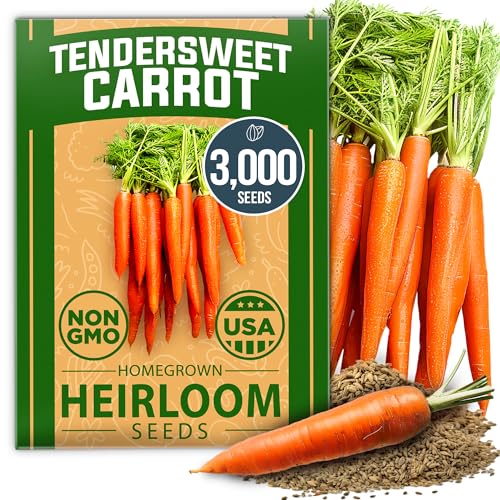
Premium Tendersweet Carrot Seeds: Authentic Open-Pollinated Premium Heirloom Seeds (USA) Non-GMO, Untreated, High Germination Rate. Phenomenal dessert Brix profile. High-impact carotene energy. An outstanding orange monolith for open ground, high ridges, and patio containers. Your garden bed is your pride.

Little Fingers carrots mature in just 55 days — faster than nearly all other carrot varieties. Their compact 3-4 inch cylindrical roots are naturally rounded at the tip rather than tapered, making them one of the most distinctively shaped and earliest harvesting heirloom carrot varieties you can grow.
Techniques for Continuous Carrot Harvest
Growing carrots can be a rewarding experience, especially when you can enjoy a continuous supply throughout the growing season. To achieve this, consider the following techniques:
- Succession Planting: Plant small batches of carrot seeds every few weeks. This staggered approach ensures that you have a continuous harvest rather than one large crop all at once.
- Thin Seedlings: As your carrot seedlings grow, thin them out to provide space for the remaining plants to develop properly. Crowded plants may result in stunted growth and irregularly shaped carrots.
- Mulching: Applying a layer of mulch around your carrot plants helps retain moisture in the soil, prevents weeds, and protects the roots from becoming tough and bitter due to exposure to sunlight.
- Regular Watering: Carrots need consistent moisture to grow well. Check the soil regularly and water when it feels dry to the touch. Avoid over-watering, as it can cause the roots to split.
- Check Soil pH: Carrots prefer slightly acidic to neutral soil. Test your soil pH and make adjustments if needed to create the optimal growing conditions.
- Monitor Pests: Keep an eye out for common carrot pests such as carrot rust fly larvae and aphids. Address any pest issues promptly to protect your crop.
- Harvest Carefully: When harvesting carrots, gently loosen the soil around the roots to avoid damaging them. Pull straight up on the green tops, and avoid twisting to prevent breakage.
Conclusion
You now have a good grasp of the techniques needed to keep your carrot harvest thriving all season long. By following the tips shared in this article, you can ensure a continuous bounty of fresh carrots from your garden. Remember to implement succession planting, thin seedlings, use mulch, maintain proper watering, check soil pH, manage pests, and harvest with care. These simple yet effective practices will help you enjoy a consistent supply of delicious carrots. Happy gardening!
Frequently Asked Questions
How can I achieve a continuous harvest of carrots?
To achieve a continuous harvest of carrots, practice succession planting by sowing seeds every few weeks. Thin seedlings to prevent overcrowding, mulch to retain moisture, water regularly, monitor soil pH levels, manage pests, and harvest carefully to avoid damage to the crop.
Why is succession planting important for carrot cultivation?
Succession planting ensures a steady supply of carrots by staggering the planting dates. This technique extends the harvest period and prevents a glut of carrots at once, allowing for a more manageable and consistent yield throughout the growing season.
How does mulching contribute to the growth of carrots?
Mulching helps retain soil moisture, regulate soil temperature, suppress weed growth, and reduce soil compaction around carrot roots. This creates optimal growing conditions for carrots, leading to healthier plants and improved yields during the harvest.
