

Selecting the Right Container
When choosing a container for your beet plants, opt for a container that is at least 12 inches deep to accommodate the beet roots. Ensure that the container has drainage holes at the bottom to prevent waterlogging, which can cause root rot.
Consider the size of your container based on the number of beet plants you intend to grow. A larger container can support multiple plants, but make sure they have enough space to thrive.
Plastic and ceramic containers are lightweight and easy to move around, while wooden containers offer better insulation for the roots. Choose a container material that suits your climate and aesthetic preferences.
Avoid narrow containers that restrict root growth. Opt for containers with a diameter of at least 8 inches to provide ample space for your beets to develop.
Remember that the right container can make a significant difference in the health and yield of your beet plants. Choose wisely for a successful beet-growing experience.
Recommended Products

𝐊𝐞𝐞𝐩𝐬 𝐕𝐞𝐠𝐞𝐭𝐚𝐛𝐥𝐞𝐬 𝐅𝐫𝐞𝐬𝐡 𝐋𝐨𝐧𝐠𝐞𝐫: The Home-X salad keeper for refrigerator is designed to preserve the freshness of lettuce, broccoli, cauliflower, and more. It creates an ideal cold, moist storage environment to help your vegetables stay crisp and fresh for longer periods.
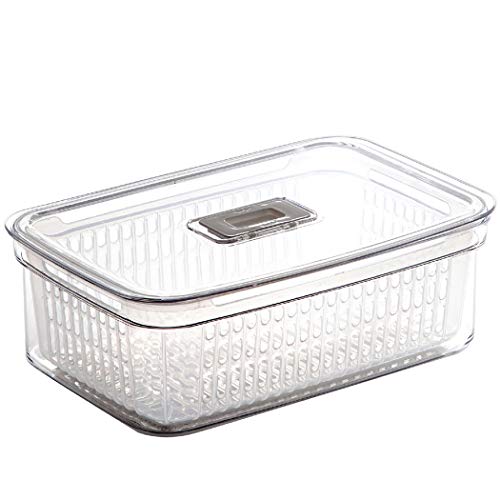
Clever Design: The BINO produce saver is made of a durable material that is easy to clean and has a tight-fitting lid to keep out moisture and air. It has a removable colander-style basket that helps drain any excess water.
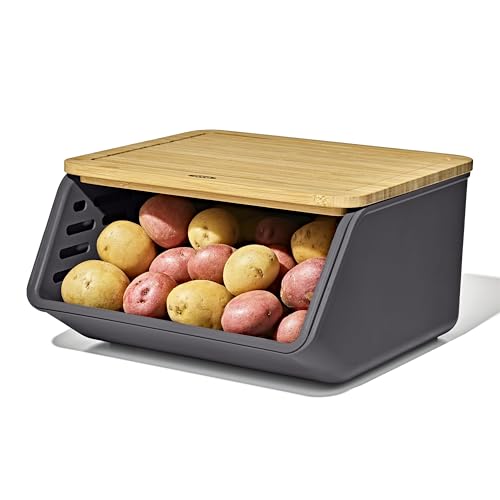
Longer-lasting freshness: Opaque bin and FSC-certified bamboo lid help maintain a cool, dark environment ideal for potatoes, onions and other root vegetables
Choosing the Ideal Soil
To support healthy beet growth in a container, selecting the right soil is crucial. Here are some key tips to guide you:
- Use a well-draining soil mix to prevent waterlogging and root diseases.
- Opt for a loose, lightweight mix that allows the roots to expand and uptake nutrients efficiently.
- Consider a mix of compost and peat moss for nutrient-rich soil that retains moisture without becoming waterlogged.
- Avoid heavy garden soil as it can compact in containers, restricting root growth and water drainage.
Remember, the quality of your soil directly impacts the health and yield of your beet plants.
Recommended Products

HELPS REGULATE SOIL MOISTURE: Miracle-Gro Organic Indoor Potting Soil Mix is an organic potting soil that protects indoor plants against over and under watering

ALL-NATURAL MIX: Burpee Organic Premium Potting Mix is formulated with plant food & coconut coir to promote seed & root growth and healthy flower, vegetable & herb plants. OMRI Listed for organic use.

FEEDS UP TO 6 MONTHS: Miracle-Gro Potting Mix is a gardening soil for outdoor containers that feeds all types of potted plants, including flowers, vegetables, shrubs, annuals, and perennials for up to 6 months
Soil Composition:
| Soil Component | Purpose |
|---|---|
| Compost | Adds nutrients for plant growth |
| Peat Moss | Retains moisture in the soil |
| Sand | Improves drainage |
Nitrogen Fixing Plants:
- Planting nitrogen-fixing companion plants like beans or peas alongside your beets can enhance soil fertility naturally.
Container Maintenance:
Regularly check your soil quality and moisture levels to ensure optimal growing conditions for your beets.
Planting Beet Seeds
When Planting Beet Seeds, ensure the container has proper drainage to prevent waterlogging. Sow the seeds about 1 inch apart and half an inch deep. Water gently to avoid displacing seeds. Cover lightly with soil and keep the container moist until germination.
- Spacing: Plant beet seeds at least 1 inch apart to allow room for growth.
- Depth: Sow seeds about half an inch deep for optimal germination.
- Watering: Keep the soil consistently moist but not waterlogged.
- Covering: Lightly cover the seeds with soil without compacting it.
Remember to label your container, so you know where you planted your beet seeds. Monitor moisture levels regularly and provide adequate sunlight for healthy seedling growth.
Providing Proper Care and Maintenance
When it comes to growing beets in a container, providing proper care and maintenance is essential for successful cultivation. Here are some crucial tips to help you nurture your beet plants effectively:
- Watering: Beets require consistent moisture for optimal growth. Make sure to water your plants regularly, keeping the soil evenly moist but not waterlogged.
- Fertilizing: To support healthy growth, consider fertilizing your beet plants with a balanced fertilizer high in potassium. This will help promote root development and enhance overall plant health.
- Pest Control: Keep an eye out for common pests such as aphids or beetles that may target your beet plants. Consider using organic pest control methods to protect your crop.
- Harvesting: Beets are typically ready for harvesting 60 to 70 days after planting. Gently pull the plants from the soil, being careful not to damage the roots, and enjoy your homegrown produce!
| Important Facts | |
|---|---|
| Growth Period | 60-70 days |
| Fertilizer Type | Balanced with high potassium |
| Pest Control Method | Organic options available |
Plant your beet seeds, provide them with proper care and maintenance, and soon you’ll be enjoying the fruits of your labor.
Recommended Products


【Material】: The Hydroponics Growing System Kit is made of quality PP material, sturdy and quality
Harvesting and Enjoying Your Homegrown Beets
When it’s time to harvest your beets, here are some tips to ensure you enjoy the fruits of your labor:
- Timing: Beets are typically ready to harvest 60 to 70 days after planting.
- Gentle Handling: To avoid damaging the roots, gently pull the plants out of the soil.
- Size: Harvest when beets reach about 1 to 2 inches in diameter for the best flavor.
- Leafy Greens: Don’t toss those greens! They are edible and delicious in salads or sautés.
Now that you’ve harvested your fresh beets, here are a few ways to enjoy them:
- Roasted: Toss beets with olive oil, salt, and pepper, then roast until tender.
- Pickled: Preserve your beets by pickling them with vinegar, sugar, and spices.
- Raw: Grate beets into salads for a crunchy and colorful addition.
- Juiced: Blend beets into a refreshing and nutritious juice or smoothie.
Conclusion
You’re now equipped with the knowledge to successfully grow beets in a container. Remember to provide regular care, use a balanced fertilizer, and opt for organic pest control. Harvest your beets gently when they’re 1 to 2 inches in diameter for optimal flavor. Get creative with your freshly harvested beets by roasting, pickling, adding them to salads, or blending them into delicious juices and smoothies. Enjoy the process and the rewards of growing your own beets at home!
Frequently Asked Questions
1. How often should I water beets grown in a container?
Water beets in a container regularly, keeping the soil consistently moist but not waterlogged. Check the soil moisture by inserting your finger about an inch into the soil – water when it feels dry.
2. What type of fertilizer should I use for container-grown beets?
Use a potassium-rich balanced fertilizer to nourish your beets grown in a container. Apply the fertilizer according to the package instructions to promote healthy growth and abundant harvests.
3. What pest control methods can I use for container-grown beets?
Employ organic pest control methods for your container-grown beets. Practices like hand-picking pests, using neem oil spray, or attracting beneficial insects can help protect your plants.
4. How should I harvest beets from a container?
Harvest beets from the container by gently loosening the soil around them and pulling them out. Avoid damaging the roots or greens to ensure a successful harvest.
5. Can I eat the leafy greens of container-grown beets?
Yes, you can enjoy the leafy greens of container-grown beets. Harvest the greens by cutting them above the roots, then use them in salads, sautés, or smoothies for added nutrition.
6. When is the best time to harvest beets grown in a container?
Harvest beets grown in a container when they reach 1 to 2 inches in diameter for the best flavor and texture. Larger beets may become tough or woody, affecting their taste.
7. What are some ways to enjoy freshly harvested beets?
Enjoy freshly harvested beets by roasting them, pickling them, adding them raw to salads, or blending them into juices or smoothies. Get creative with beet recipes to savor their unique flavor and health benefits.
