

Ever wondered how to grow vibrant, delicious beets right in your backyard? Picture this: you stroll outside, pluck fresh beets from your own raised bed, and whip up a mouthwatering salad in minutes. Exciting, right? In this article, we’ll show you the simple steps to plant beets in a raised bed, turning your garden into a beet paradise.
Choose the Right Location for Your Raised Bed
- Sunlight: Ensure your beets receive at least 6 hours of sunlight a day.
- Drainage: Pick a location with good drainage to prevent waterlogging.
- Accessibility: Opt for a spot that is easy to reach for watering, weeding, and harvesting.
- Soil Quality: Look for an area with fertile soil or amend it with compost for optimal growth.
- Space: Allow enough room between beds for pathways and future expansion.
Prepare the Soil for Planting
To ensure your beets thrive, preparing the soil is crucial:
- Loosen the soil to a depth of 12 inches for optimal root development.
- Remove any rocks, weeds, or debris that may impede growth.
- Mix in compost or organic matter to boost fertility.
- Test the soil to determine pH levels and nutrient deficiencies.
Soil Preparation Tips
Follow these tips for successful soil preparation:
- Aim for well-draining soil to prevent waterlogged roots.
- Consider raised beds for improved aeration and drainage.
- Add fertilizer with a balanced NPK ratio for healthy growth.
- Rotate crops yearly to prevent nutrient depletion.
| Soil Component | Percentage |
|---|---|
| Sand | 40% |
| Silt | 40% |
| Clay | 20% |
Selecting Beet Seeds or Seedlings
When Selecting Beet Seeds or Seedlings, consider the following:
- Seed Variety: Choose beet seeds based on the variety you prefer, such as red beets, golden beets, or Chioggia beets.
- Seedling Health: If opting for seedlings, ensure they are healthy and disease-free for optimal growth.
- Local Climate: Select seeds or seedlings that are suited to your local climate for best results.
- Organic Options: Look for organic seeds or seedlings if you prefer to grow without synthetic chemicals.
- Packet Information: Check seed packets for details on planting depth, spacing, and days to maturity.
Before planting, take time to carefully choose the beet seeds or seedlings that align with your preferences and growing conditions.
Recommended Products
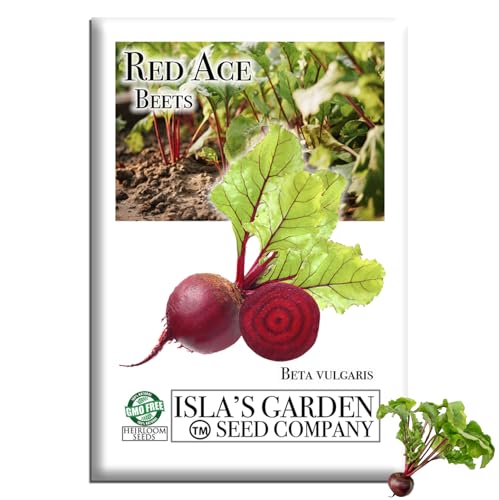
🥬 Productive Garden Beet Variety: Red Ace Beets produce smooth, round roots with a deep red color and dependable growth in home gardens. The sturdy plants develop leafy green tops while forming uniform beet roots beneath the soil. A reliable choice for backyard vegetable gardens and raised beds where gardeners want steady root harvests.

TOP-RATED NUTRITIONAL HEIRLOOM: Detroit Dark Red is a premium, high-yielding, and stress-resistant beet variety that stands at the pinnacle of root vegetables. This all-season favorite is a mid-early universal cultivar, perfect for consistent home harvests of professional quality.
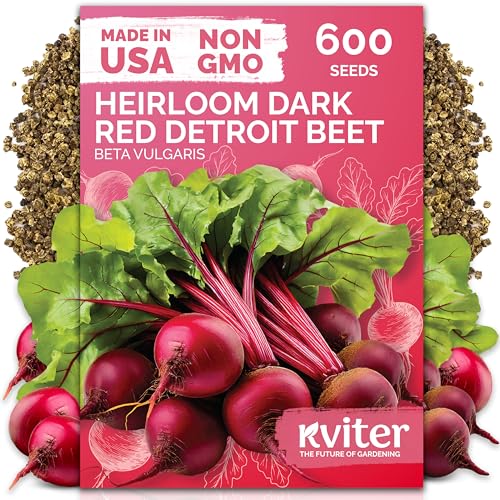
55-60 Day Harvest: Red beet seeds mature fast with tender 2-3 inch roots and sweet classic flavor; sow in loose, well-drained soil at 55-70 °F for best vegetable seeds results.
Planting Beets in the Raised Bed
Here’s how to plant beets in a raised bed:
Prepare the Soil:
- Ensure the soil is loose, well-draining, and rich in organic matter.
- pH Level: Aim for a pH between 6.0 and 7.0 for optimal beet growth.
Planting Beet Seeds:
- Depth: Plant beet seeds about 1/2 inch deep in rows.
- Spacing: Leave 2 to 3 inches between each seed.
- Thinning: Once seedlings emerge, thin them to stand 3 to 4 inches apart.
Planting Beet Seedlings:
- Gently transplant seedlings into the raised bed, spacing them according to the instructions on the seed packet.
Watering:
- Consistent Moisture: Keep the soil consistently moist but not waterlogged, especially during hot weather.
- Water at the base of the plants to avoid wetting the foliage.
Fertilizing:
- Timing: Apply a balanced fertilizer when planting and side-dress with compost mid-season.
- Avoid high-nitrogen fertilizers that promote leaf growth over root development.
Mulching:
- Mulch around the beets to retain soil moisture, suppress weeds, and regulate soil temperature.
- Timing: Beets are ready for harvesting in about 60 days from planting.
- Size: Harvest when beets reach about 1-3 inches in diameter.
By following these steps, you’ll be on your way to a successful beet harvest in your raised bed.
Caring for Your Beet Plants
When caring for your beet plants in a raised bed, there are several key aspects to consider. Follow these tips to nurture your beet plants effectively:
- Watering: Ensure your beet plants receive consistent moisture. Water regularly to keep the soil evenly moist but not waterlogged. Aim to provide about 1-2 inches of water per week, either through rainfall or manual watering.
- Weeding: Regularly remove weeds from around your beet plants. Weeds can compete with your beets for nutrients and sunlight, impacting their growth. Be diligent in keeping the bed weed-free.
- Thinning: Once your beet seedlings have germinated, thin them to ensure proper spacing. Beet plants thrive when given enough room to grow, so leave 3-4 inches between each plant to allow for proper development.
- Fertilizing: Consider fertilizing your beet plants with a balanced fertilizer. Apply the fertilizer according to the instructions on the product label to provide the necessary nutrients for healthy growth.
- Pest Control: Keep an eye out for common pests that may affect beet plants, such as aphids and flea beetles. Monitor your plants regularly and take prompt action if you notice any pest infestations.
| Important Information |
|---|
| Watering: 1-2 inches per week |
| Spacing: 3-4 inches between plants |
| Root diameter: 1-3 inches for harvesting |
Recommended Products
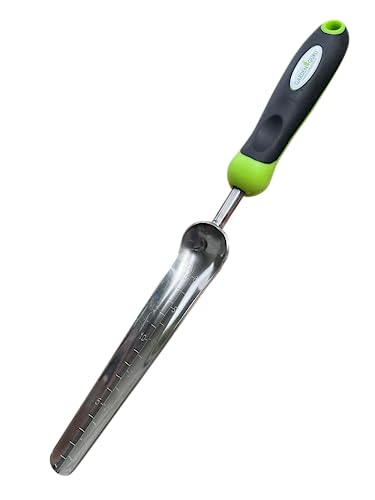
PERFECT SEED PLANTING TROWEL – Narrow edge to easily fit in small spaces. Ideal for planting seeds and transplanting small plants, vegetables, flowers in narrow and hard to reach spaces.

Made of plastic, Simple and easy to use of the plant sow seeds dispenser
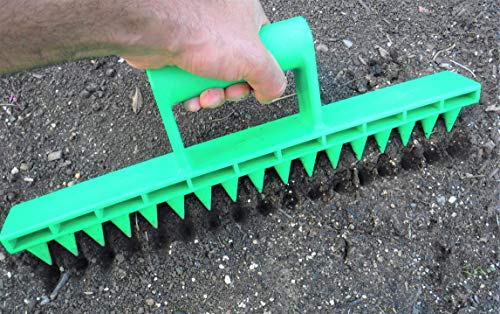
The newest and coolest garden tool that allows gardeners to simultaneously create seventeen evenly-spaced holes in the soil for planting seeds and seedlings.
Conclusion
You now have a solid understanding of how to care for your beet plants in a raised bed. Remember to water consistently, weed regularly, thin seedlings for proper spacing, fertilize with a balanced fertilizer, and keep an eye out for common pests. By following these tips, you’ll set yourself up for a successful beet harvest. Happy gardening!
Frequently Asked Questions
Q: What is the ideal watering schedule for beet plants in a raised bed?
A: Water beet plants in a raised bed with 1-2 inches of water per week to maintain consistent moisture levels.
Q: Why is weeding important for beet plants in a raised bed?
A: Weeding is crucial to prevent competition for nutrients and ensure the beet plants have ample resources to grow.
Q: How should seedlings of beet plants be thinned in a raised bed?
A: Thin beet seedlings in a raised bed to provide proper spacing of 3-4 inches between each plant for optimal growth.
Q: What type of fertilizer is recommended for beet plants in a raised bed?
A: Use a balanced fertilizer to provide essential nutrients for the beet plants in a raised bed.
Q: When should beets be harvested in a raised bed?
A: Harvest beets in a raised bed when the root diameter reaches 1-3 inches for the best flavor and texture.
